
Table of Contents
Imagine a room bathed in soft light, the air still until a single, pure note emanates from a handcrafted bowl of rose quartz. The sound doesn’t just enter your ears—it seems to vibrate through your bones, settling in your chest with a warmth that feels almost familiar. This is the essence of a crystal symphony: a convergence of gemstone beauty and sonic resonance that many believe can recalibrate your energy, focus your mind, and soothe your spirit.
What Exactly Is a Crystal Symphony?
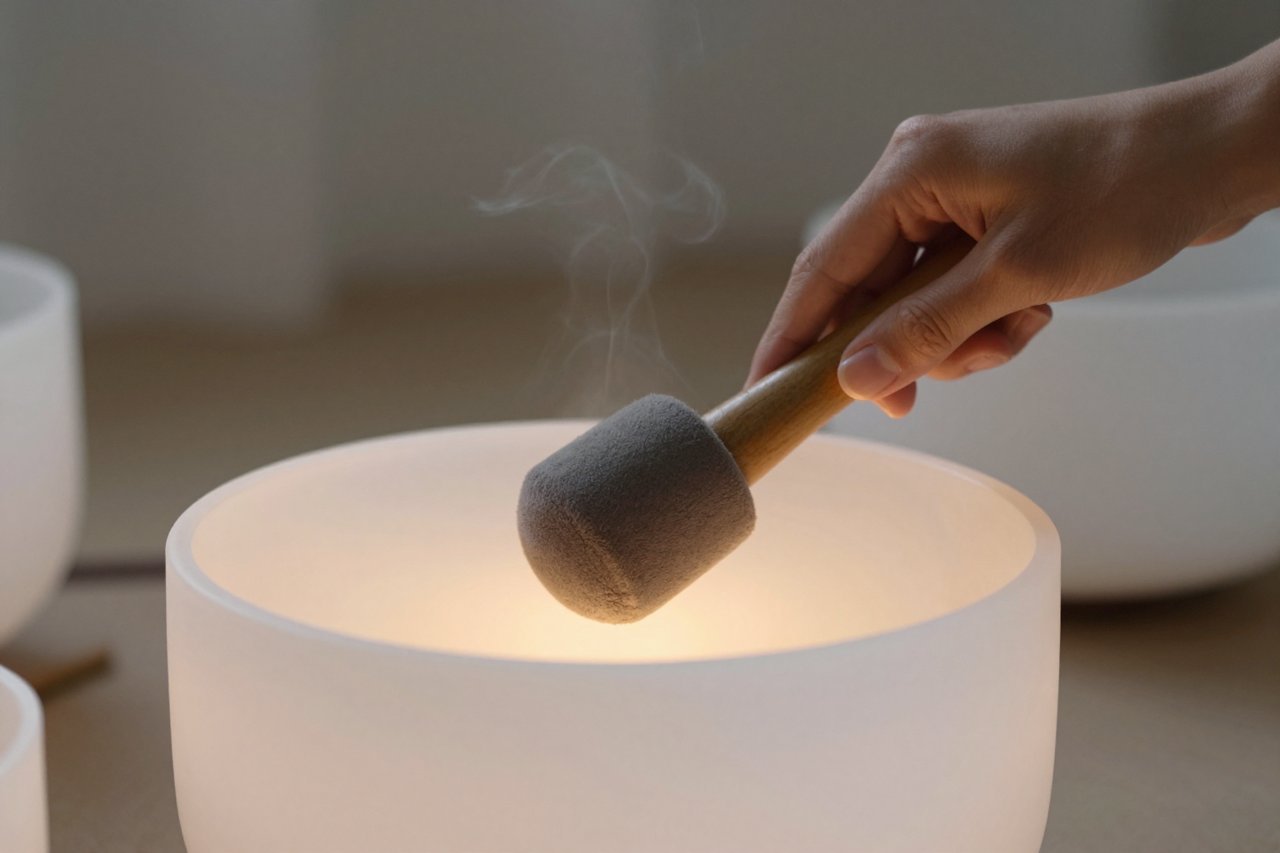
A crystal symphony isn’t a single instrument or a recorded piece of music. It’s an experience—a live or intentional arrangement of sounds produced primarily by crystal singing bowls, often accompanied by chimes, gongs, or the human voice. Unlike metal bowls, these are made from crushed quartz heated and formed into shape, then tuned to specific frequencies. When a suede-covered mallet circles the rim, the bowl sings a sustained, ethereal tone. Stack multiple bowls tuned to different notes, and you get a layered, harmonic field—a true symphony of crystal.
Practitioners use these sessions for meditation, sound baths, or therapeutic healing. The idea is that each bowl’s frequency corresponds to a chakra (energy center) in the body, and the combined resonance can help clear blockages, reduce stress, and promote deep relaxation.
The Instruments of a Crystal Symphony
Not all crystal symphonies are created equal. The instruments chosen shape the entire experience. Here are the most common components:

1. Crystal Singing Bowls
These are the foundation. Bowls range from small (6 inches, high-pitched) to massive (24 inches, deep bass). Each is tuned to a specific note—often corresponding to the seven chakras: C (root), D (sacral), E (solar plexus), F (heart), G (throat), A (third eye), B (crown). A typical symphony might feature five to twelve bowls arranged in a circle around the player. The bowls are struck or rubbed to produce sound; the rubbing technique creates a continuous, swelling tone that can last minutes.
2. Crystal Harps and Chimes
For higher, tinkling overtones, crystal harps (glass rods mounted on a resonant box) or crystal chimes add sparkle. They’re played with a mallet or by plucking, introducing short, bright notes that contrast with the bowls’ sustained drones.
3. Gongs and Drums
A single large gong hit at strategic moments can create a wave of vibration that seems to wash through the room. Paired with a drum (often a frame drum or djembe), the rhythm grounds the symphony, preventing it from becoming too ethereal.
4. Voice and Breath
Many facilitators incorporate toning or chanting—using their own voice to blend with the bowls. The human voice, when projected with intention, can add a deeply personal layer to the crystal symphony.
How a Crystal Symphony Affects the Body and Mind
Skeptics might dismiss it as New Age fluff, but there’s growing interest in the measurable effects of sound vibration on human physiology. A crystal symphony isn’t just pleasant—it can alter your state.
Brainwave Entrainment
The steady, rhythmic tones of singing bowls can encourage your brainwaves to slow from beta (active thinking) to alpha (relaxed focus) or even theta (meditative, dreamlike). This is called entrainment. During a symphony, listeners often report losing track of time, feeling as if they’re floating, or experiencing vivid internal imagery.
Vagus Nerve Stimulation
Low-frequency vibrations—especially from large bowls or gongs—can stimulate the vagus nerve, which runs from your brainstem to your abdomen. Activation of this nerve triggers the parasympathetic nervous system, lowering heart rate, reducing blood pressure, and promoting a state of rest and digest. That’s why you might feel a wave of calm wash over you within minutes of the symphony starting.
Stress Hormone Reduction
In a small 2016 study published in the Journal of Evidence-Based Integrative Medicine, participants who attended a singing bowl session experienced significant reductions in tension, anger, fatigue, and depressed mood compared to those who simply rested in silence. While more research is needed, the immediate subjective effect is undeniable for many.
Building Your Own Crystal Symphony at Home
You don’t need a dozen bowls and a dedicated sound studio to create your own crystal symphony. Even a single bowl can produce a profound effect. Here’s how to get started:
- Choose your bowl wisely. If you’re new, start with a 7–8 inch bowl tuned to either F (heart chakra) or C (root). These are mid-range and versatile. Test the bowl in person if possible—listen for a clear, sustained ring without buzzing.
- Use a suede or rubber mallet. Suede mallets produce a warm, singing tone; rubber gives a sharper, more percussive strike. For a symphony effect, you’ll want the suede for rubbing.
- Create a quiet space. Eliminate background noise. Dim the lights. Sit comfortably or lie down. The environment is half the experience.
- Add complementary sounds. A set of wind chimes, a small tingsha (Tibetan cymbal), or even a simple singing bowl with water (the pitch changes as you add water) can expand your palette.
- Set an intention. Before you begin, think of one word—peace, clarity, release—and let that guide your playing. This isn’t about technical perfection; it’s about resonance.
The Science Behind the Magic
What makes a crystal symphony different from listening to a recording of ocean waves? The answer lies in the physical properties of quartz. When a crystal bowl vibrates, it produces not only audible sound but also infrasonic frequencies (below 20 Hz) that you feel as a physical hum. This full-body vibration is thought to affect cells on a micro level.
Additionally, quartz is piezoelectric—it generates an electric charge under mechanical stress. While the significance of this in a sound bath is debated, some proponents believe the combination of sound and subtle electrical fields enhances the healing effect.
Experiencing a Live Crystal Symphony
If home practice appeals to you, consider attending a live session first. Many yoga studios, wellness centers, and holistic health fairs host monthly sound baths. Here’s what to expect:
- Duration: Typically 45–75 minutes. You’ll lie on a mat or sit in a comfortable chair.
- Setup: The practitioner sits surrounded by bowls, often on a low table or directly on the floor. They may begin with a brief guided meditation, then move into the symphony.
- Sensations: You might feel vibrations in your chest, legs, or even your teeth. Some people see colors or patterns behind closed eyes. Others simply fall asleep—and that’s fine.
- Afterglow: Post-session, take time to reorient. Drink water. Many report feeling lighter, clearer, or emotionally open for hours afterward.
Choosing the Right Crystal Symphony for You
Not all symphonies resonate equally. Some facilitators focus on chakra balancing, others on deep relaxation, and still others on creative inspiration. Listen to samples online if you can’t attend in person. Pay attention to how your body reacts: a symphony that feels too shrill may agitate rather than calm. Trust your instincts.
Remember, a crystal symphony is a co-creation between the player, the instruments, and you. Your openness, your breath, your willingness to let sound wash through you—that’s what transforms a collection of bowls into a genuine symphony. The most profound experiences often happen when you stop analyzing and simply listen.


