
Table of Contents
Anxiety can feel like a constant passenger—sometimes a quiet whisper, other times a roaring engine. Whether it’s the tight chest before a meeting or the racing thoughts at 3 a.m., the impact is real. The good news? There are more effective anxiety treatments available today than ever before. Not every approach works for everyone, but with some trial and support, you can find what tames that noise.
Therapy: The Foundation of Anxiety Treatment
For many, therapy is the first line of defense. It’s not just about talking—it’s about retraining how your brain responds to stress.
Cognitive Behavioral Therapy (CBT)
CBT is the gold standard. It focuses on identifying distorted thoughts—like “everything will go wrong”—and replacing them with more realistic ones. A 2018 meta-analysis found that CBT is effective for 60–70% of people with generalized anxiety disorder. Sessions often include homework: tracking thought patterns or practicing exposure to feared situations.
Exposure Therapy
If you have phobias or panic disorder, exposure therapy gradually introduces what you fear in a safe, controlled way. For example, someone with social anxiety might start by imagining a conversation, then have a brief chat with a cashier, and eventually attend a small gathering. Over time, the brain learns that the dreaded outcome rarely happens.

Other Effective Modalities
- Acceptance and Commitment Therapy (ACT): Teaches you to accept anxious feelings instead of fighting them, then act according to your values.
- Dialectical Behavior Therapy (DBT): Useful for intense emotions; includes distress tolerance and mindfulness skills.
- Psychodynamic therapy: Explores how past experiences influence current anxiety.
If you’re also dealing with depression, you might find therapy for depression overlaps significantly with anxiety approaches, as the two often co-occur.
Medication Options for Anxiety
Medication can be a valuable tool, especially when anxiety is severe or therapy alone isn’t enough. Always consult a psychiatrist for a tailored plan.
Selective Serotonin Reuptake Inhibitors (SSRIs)
SSRIs like sertraline (Zoloft) and escitalopram (Lexapro) are first-line medications. They increase serotonin levels, which helps regulate mood and anxiety. Improvement usually takes 4–6 weeks, and side effects like nausea or insomnia often resolve early on.
Serotonin-Norepinephrine Reuptake Inhibitors (SNRIs)
Venlafaxine (Effexor) and duloxetine (Cymbalta) target both serotonin and norepinephrine. They’re particularly effective for generalized anxiety disorder and may also help with chronic pain.
Benzodiazepines
Drugs like alprazolam (Xanax) or clonazepam (Klonopin) work quickly for acute anxiety or panic attacks. However, they carry risk of dependence and are generally prescribed for short-term use or as-needed.
Other Medications
Buspirone is a non-addictive option for chronic anxiety. Beta-blockers like propranolol can reduce physical symptoms (racing heart, shaky hands) for performance anxiety.
Lifestyle Changes That Calm the Nervous System
What you do daily can either fuel anxiety or soothe it. These aren’t cures, but they build resilience.
Exercise
Aerobic exercise—like brisk walking, jogging, or cycling—releases endorphins and reduces stress hormones. Aim for 30 minutes most days. Even short bursts of movement can break a panic cycle.
Sleep Hygiene
Anxiety and sleep are a two-way street. Poor sleep worsens anxiety, and anxiety disrupts sleep. Keep a consistent schedule, avoid screens an hour before bed, and try a cooling mattress pad if night sweats are an issue.
Nutrition
Blood sugar swings can mimic anxiety symptoms. Eat regular meals with protein, healthy fats, and complex carbs. Limit caffeine—it can trigger palpitations in sensitive individuals. Some find magnesium or omega-3s helpful, but evidence is mixed.
Mindfulness and Meditation
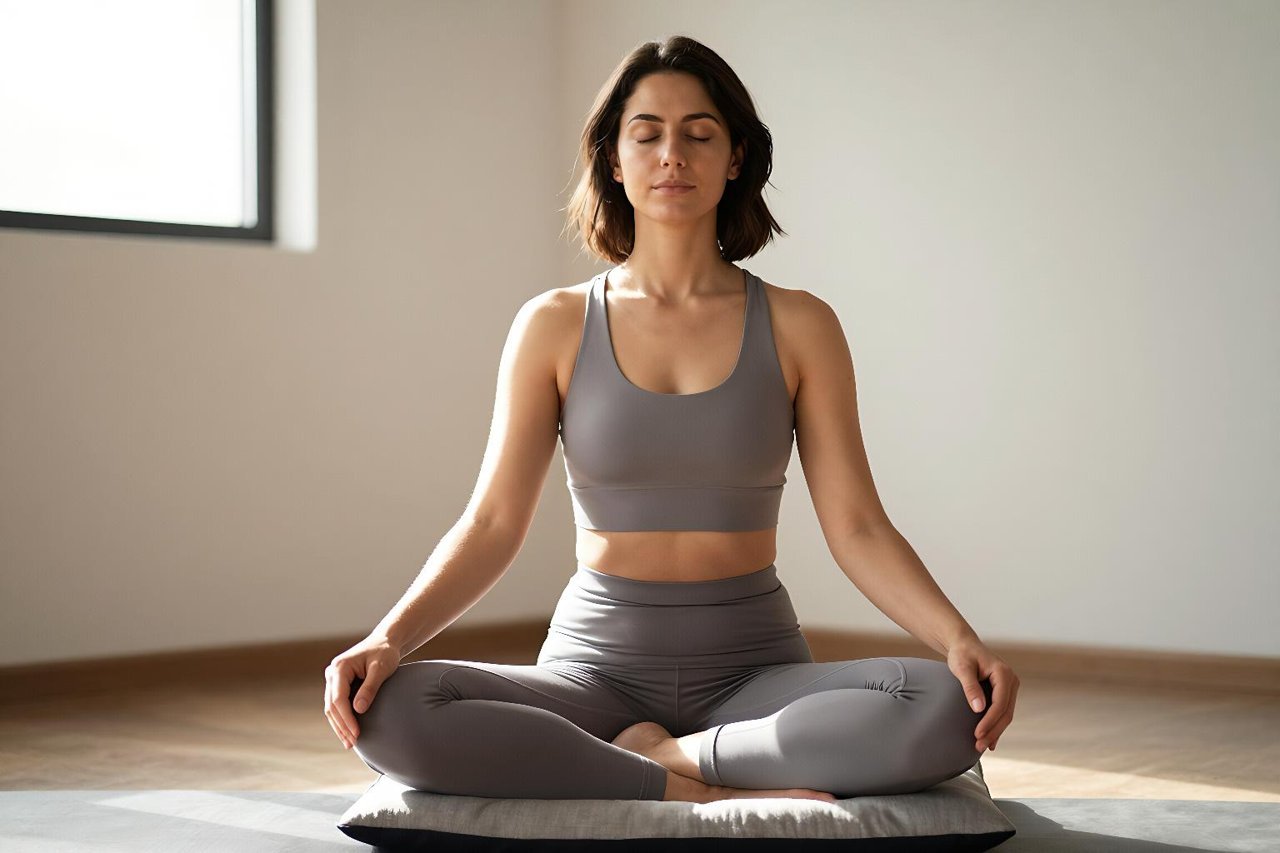
Mindfulness isn’t about emptying your mind; it’s about noticing thoughts without judgment. Eight weeks of mindfulness-based stress reduction (MBSR) has been shown to reduce anxiety by about 30% in clinical trials. Apps like Headspace or Calm offer guided sessions.
If you’re curious about how these approaches compare to treatments for other conditions, check out treatments for major depressive disorder—many overlap with anxiety strategies.
Natural and Alternative Remedies
Some people prefer supplements or herbs, but it’s crucial to discuss them with a doctor, as they can interact with medications.
- Ashwagandha: An adaptogen that may lower cortisol. Studies show modest benefits for stress and anxiety.
- L-theanine: An amino acid in green tea that promotes relaxation without drowsiness. Typical dose is 200 mg.
- CBD oil: Some evidence for social anxiety, but quality varies widely. Start low and go slow.
- Chamomile: A mild sedative. One study found long-term use reduced moderate-to-severe GAD symptoms.
When Anxiety Is Linked to Substance Use
Alcohol and drugs can temporarily numb anxiety but often make it worse in the long run. Withdrawal from alcohol or benzodiazepines can cause severe anxiety. If you’re struggling with alcohol, it’s important to seek professional help. Learn about the symptoms and treatments for alcohol withdrawal, which can include dangerous anxiety spikes.
Similarly, hangover anxiety—sometimes called “hangxiety”—is real. The treatments for hangover symptoms include hydration, rest, and avoiding more alcohol.
Building a Personalised Treatment Plan
No single treatment works for everyone. The most effective approach often combines therapy, medication (if needed), and lifestyle changes. Start by tracking your symptoms for a week—note triggers, physical sensations, and what helps even a little. Share this log with a therapist or doctor.
Set realistic goals. Maybe it’s reducing panic attacks from three per week to one, or being able to attend a social event without leaving early. Celebrate small wins.
For new mothers experiencing postpartum anxiety, specialized care is critical. Explore postpartum depression therapies that also address anxiety—many are effective for both.
When to Seek Immediate Help
If you experience thoughts of self-harm, panic attacks lasting more than 20 minutes, or an inability to function for days, reach out to a crisis line or emergency room. You don’t have to figure this out alone.
Anxiety treatments have come a long way. With patience and the right support, you can quiet the noise and reclaim your days.


