
Table of Contents
Bed bugs are the uninvited guests that nobody wants. These tiny, reddish-brown insects feed on human blood while you sleep, leaving itchy welts and a sense of violation. If you’ve spotted signs—rusty stains on sheets, small dark specks, or actual bugs—you need a plan. Effective bed bug treatment requires a systematic approach, not just a quick spray. Here’s exactly what works, what doesn’t, and how to reclaim your home.
Confirm You Have Bed Bugs Before Treating
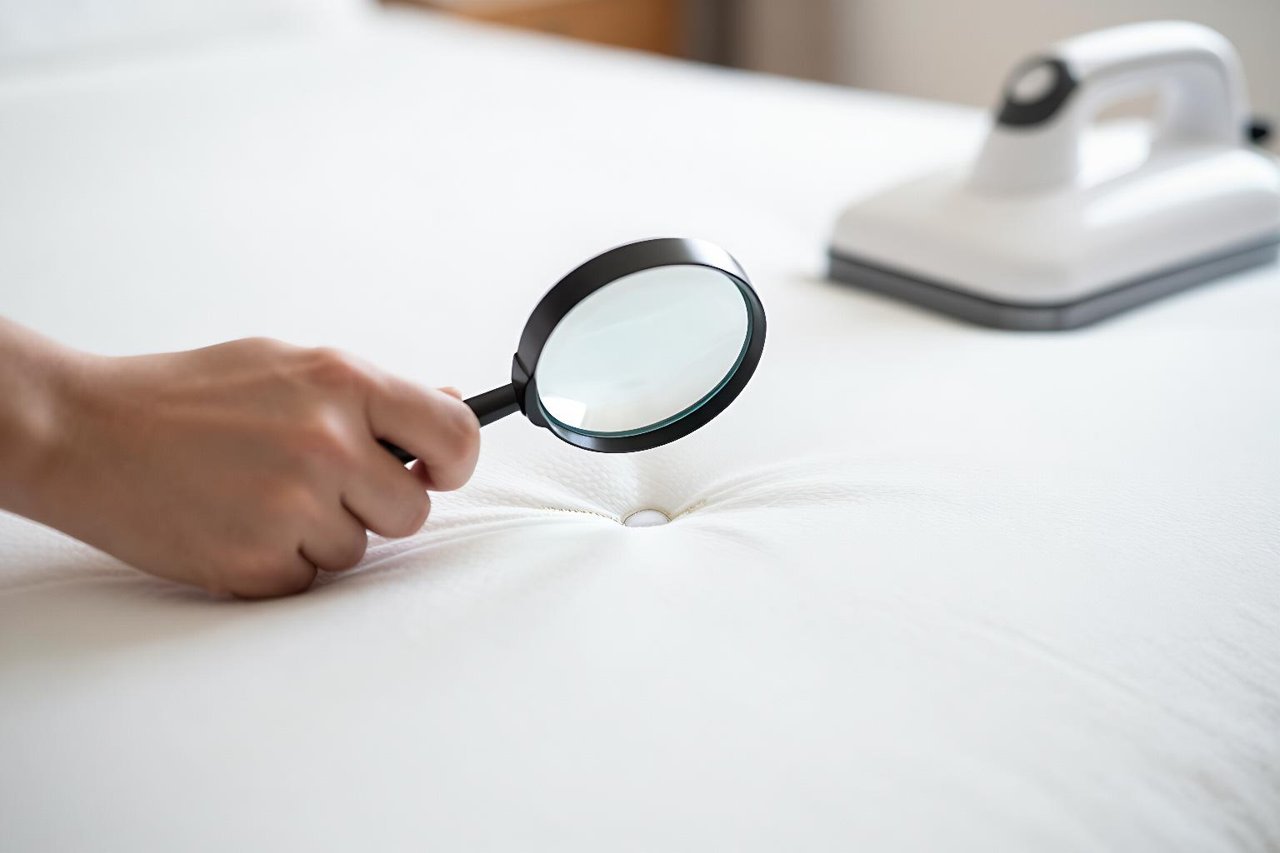
Don’t waste time and money on the wrong pest. Other insects like carpet beetles or fleas can cause similar bites. Look for these telltale signs:
- Bites: Often in a line or cluster on exposed skin (face, neck, arms). Not everyone reacts, so lack of bites doesn’t mean no bugs.
- Blood spots: Tiny rust-coloured smears on sheets or pillowcases from crushed bugs.
- Fecal droppings: Dark, ink-like dots on mattress seams, box springs, or headboards.
- Live bugs: About the size of an apple seed, flat and oval. Check crevices of your mattress, bed frame, and nearby furniture.
If you’re unsure, a flashlight and a credit card to scrape crevices can help. For more details on what you’re dealing with, read our article What’s the deal with bed bugs?
Immediate Steps to Contain the Infestation
Bed bugs are masters of hitchhiking. Before you start treatment, prevent them from spreading to other rooms.

1. Isolate the Bed
Move your bed at least 6 inches away from walls and furniture. Remove all bedding and launder it in hot water (at least 120°F/49°C) and dry on high heat for 30 minutes. Encase your mattress and box spring in a bed bug-proof cover—these trap existing bugs inside and prevent new ones from getting in. Leave covers on for at least a year to ensure all trapped bugs starve.
2. Declutter the Room
Bed bugs hide in clutter—piles of clothes, books, cardboard boxes. Bag up everything in sealed plastic bins or garbage bags. Sort items later: launder what you can, and discard what you don’t need. The fewer hiding spots, the easier the treatment.
DIY Bed Bug Treatment Methods
For light infestations caught early, you can often handle treatment yourself. For heavy infestations, skip to the professional section—but these methods still help as part of a comprehensive plan.
Heat Treatment (The Most Effective DIY Method)
Bed bugs die at 118°F (48°C) in 90 minutes, and at 122°F (50°C) instantly. You can use a portable steam cleaner to treat mattress seams, bed frames, baseboards, and furniture. Steam penetrates cracks and kills bugs and eggs on contact. Be careful with delicate fabrics and electronics.
A clothes dryer on high heat works wonders for infested items you can’t wash—shoes, backpacks, stuffed animals. Place them in a dryer on high for 30 minutes. For larger items, a heat chamber (like a ZappBug) can treat luggage and personal items.
Vacuuming
Use a vacuum with a HEPA filter and a crevice tool. Vacuum every crack and crevice of your mattress, box spring, bed frame, baseboards, and furniture. Immediately after, remove the vacuum bag, seal it in a plastic bag, and dispose of it in an outdoor trash can. Vacuuming removes bugs and eggs but won’t kill them all—it’s a preparatory step, not a cure.
Diatomaceous Earth (DE) and Silica Gel
Food-grade DE is a fine powder that dehydrates bed bugs. Dust a thin layer along baseboards, under furniture, and around bed legs. Avoid breathing it in. Silica gel (like CimeXa) works faster and is more effective. Both are slow-acting but can help as part of a multi-step approach.
Insecticide Sprays
Over-the-counter sprays containing pyrethroids or neonicotinoids may kill bed bugs on contact, but resistance is common. Always test a small area first. Never spray directly on your mattress unless the label says it’s safe. Sprays alone rarely eliminate an infestation.
When to Call a Professional Exterminator
If you’ve tried DIY methods for two weeks with no improvement, or if the infestation is widespread (multiple rooms, heavy populations), it’s time for professional bed bug treatment. Exterminators use tools that are far more powerful than anything you can buy.
Professional Heat Treatment
Whole-home heat treatment involves raising the temperature of your entire home to 135-145°F for several hours. This kills all life stages, including eggs. It’s fast (one day) and chemical-free, but expensive ($1,000-$4,000) and requires preparation—you must remove heat-sensitive items like candles, alcohol, and some electronics. Professionals use industrial fans and heaters to ensure even distribution.
Chemical Treatment
Exterminators use a combination of residual sprays (applied to cracks and crevices) and dusts (like silica gel) that last weeks. They also use liquid treatments and aerosol foggers in some cases. The key is that professionals know where to apply—baseboards, behind electrical outlets, inside furniture joints—areas most people miss. Most chemical treatments require 2-3 visits spaced two weeks apart to catch newly hatched eggs.
Steam and Cryonite (Freezing)
Steam treatment is often used alongside other methods to kill bugs on contact. Cryonite uses CO2 snow at -110°F to freeze bed bugs instantly. It’s good for sensitive items like electronics and mattresses where chemicals aren’t suitable.
Preparing for Professional Treatment
Your exterminator will give you a prep checklist. Follow it exactly. Typical steps include:
- Wash and dry all bedding, clothing, and linens on high heat.
- Empty dressers and closets—bag items and treat them separately.
- Move furniture away from walls.
- Vacuum thoroughly and discard the bag.
- Remove or cover electronics.
- Do not use any DIY pesticides 24 hours before treatment—they can interfere with professional products.
After Treatment: Monitoring and Prevention
Even after professional treatment, a few survivors can restart the cycle. Here’s how to stay bed bug-free:
Use Interceptors
Place bed bug interceptors under each bed leg. These plastic cups trap bugs attempting to climb up from the floor. Check them weekly—if you see bugs, you’ll know they’re still active.
Inspect Regularly
Every few weeks, inspect mattress seams, box springs, and headboards with a flashlight. Look for the same signs you started with. Early detection makes treatment much easier.
Avoid Bringing Them Home
Bed bugs are expert hitchhikers. When traveling, inspect hotel beds and keep luggage off the floor. After returning home, unpack directly into a washing machine and dry everything on high heat. Secondhand furniture is a common source—inspect thoroughly before bringing it inside. For more on health risks from pests, check out our article on Chikungunya outbreak in China—while different, it highlights how quickly insect-borne issues can escalate.
Seal Cracks and Crevices
Caulk baseboards, seal gaps around pipes and electrical outlets, and repair peeling wallpaper. Fewer hiding spots means fewer places for bed bugs to survive.
Common Myths About Bed Bug Treatment
Let’s clear up a few misconceptions that can waste your time and money.
Myth: Bed bugs only live in dirty homes. False. Bed bugs don’t care about cleanliness—they care about access to blood. Even five-star hotels have infestations.
Myth: Bug bombs (foggers) work. No. Foggers can actually scatter bed bugs deeper into walls, making the problem worse. They also don’t penetrate cracks where bugs hide.
Myth: You can kill bed bugs by leaving the house cold. Not true. Bed bugs can survive near-freezing temperatures for days. You’d need to freeze items at 0°F for at least four days—impractical for a whole home.
Myth: Essential oils repel or kill bed bugs. Some oils like tea tree or lavender may kill on direct contact, but they’re not effective for widespread treatment. Relying on them often delays proper treatment.
Health Risks and When to See a Doctor
Bed bug bites are not known to transmit disease, but they can cause secondary infections from scratching. In rare cases, people have allergic reactions ranging from severe itching to anaphylaxis. If you develop hives, difficulty breathing, or signs of infection (redness, warmth, pus), see a doctor. For more on how the body reacts to various conditions, you might find our guide on A Guide to Medical Imaging interesting—it covers tools used to diagnose internal issues, though bed bugs are usually identified visually.
Mental health is another concern. Bed bug infestations can cause anxiety, insomnia, and paranoia. It’s normal to feel stressed. Talk to your doctor if you’re struggling to cope.
Pets and Bed Bug Treatment
Bed bugs prefer humans but will bite pets if necessary. Dogs and cats typically don’t show severe reactions. However, some insecticides used in treatment can be toxic to pets. Always inform your exterminator about any animals in the home. Keep pets away from treated areas until products are dry, and remove their bedding for washing.
Long-Term Strategy: Stay Vigilant
Bed bugs are persistent. Even after successful treatment, it’s wise to maintain some precautions. Keep bed bug encasements on mattresses and box springs. Consider using a mattress protector that’s also bed bug-proof. When traveling, continue inspecting hotel rooms. And if you live in a multi-unit building, educate your neighbours—infestations often spread between apartments. For a different perspective on managing infestations, you might read our piece on Pramana Watu Kurung Review: Which Villa Should You Book in Ubud—it’s about travel, but it includes tips for checking accommodations.
Bed bug treatment is rarely a one-and-done process. It requires patience, thoroughness, and sometimes professional help. But with the right approach, you can eliminate them and keep them from coming back. Start with confirmation, contain the spread, choose your treatment method, and follow up with prevention. Your home will be yours again.


