
Table of Contents
What is the best classical music of all time? It’s a question that has sparked endless debates in concert halls, living rooms, and online forums. For some, it’s the thunderous drama of Beethoven’s Fifth. For others, the ethereal stillness of a Chopin nocturne. The answer will always be personal, shaped by experience and emotion. But a handful of works have stood the test of centuries—pieces that continue to captivate audiences, influence composers, and define the very meaning of greatness. Here are the compositions that every listener should know.
What Makes a Piece “The Best”?
Before we dive into the list, it’s worth considering what elevates a piece of classical music to timeless status. Is it technical genius? Emotional impact? Cultural influence? The best works often combine all three. They push boundaries while remaining accessible, and they reward repeated listening with new details. Many of these pieces have also inspired countless recordings, some of which are considered among the best albums of all time across any genre. But enough preamble—let’s get to the music.
The 15 Essential Works
1. Beethoven’s Symphony No. 9 in D minor, Op. 125 “Choral”
Beethoven’s final symphony broke every rule. It introduced a choir and vocal soloists in the final movement—a radical move in 1824. The “Ode to Joy” theme is instantly recognizable, but the symphony’s four movements take listeners on a journey from struggle to triumph. It’s a work that argues for universal brotherhood, and its power remains undimmed.
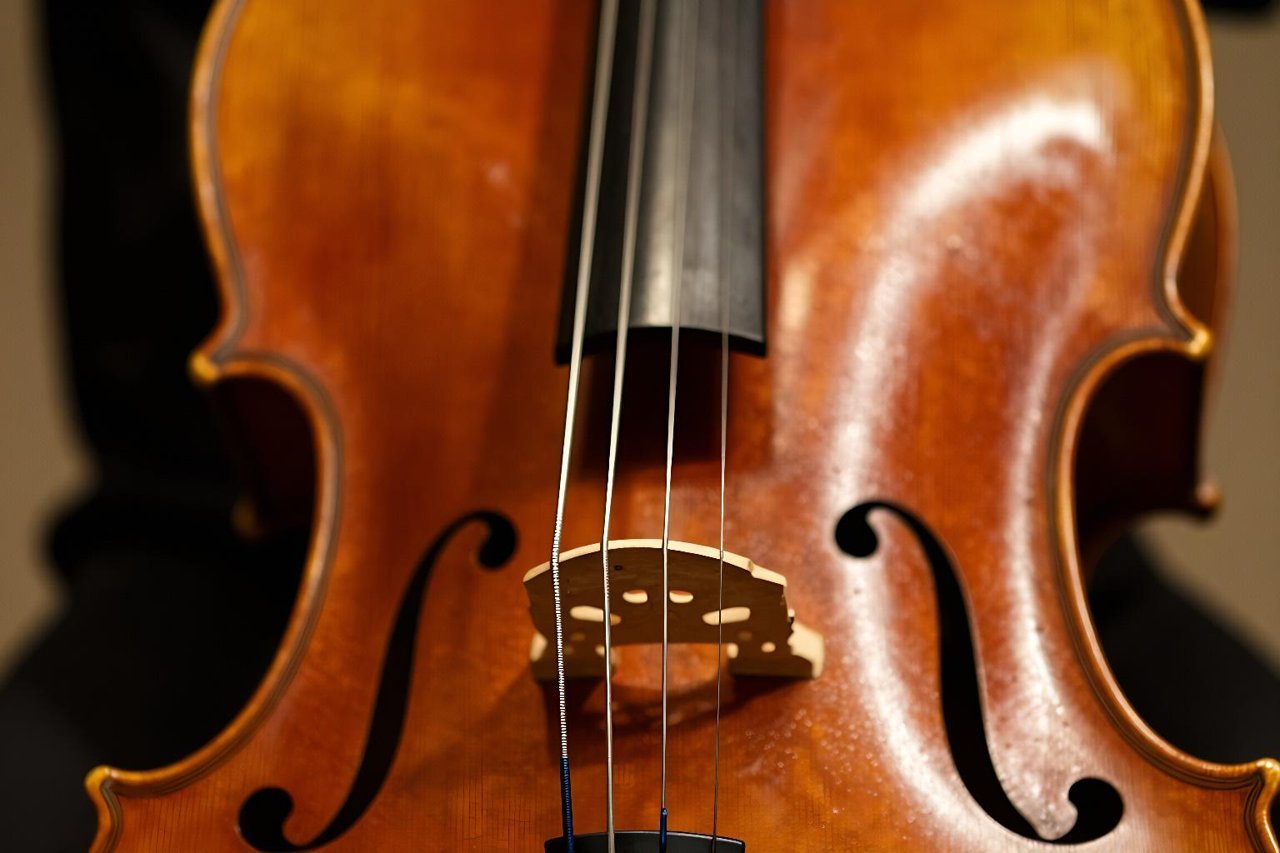
2. Bach’s Cello Suites (BWV 1007–1012)
Six suites for solo cello, written around 1720, were nearly forgotten until Pablo Casals revived them in the early 20th century. Each suite consists of a prelude followed by dance movements, and together they form a meditation on the possibilities of a single instrument. The Prelude of Suite No. 1 in G major is one of the most beloved melodies ever written.

3. Mozart’s Requiem in D minor, K. 626
Mozart’s final work, unfinished at his death in 1791, is shrouded in myth. The “Lacrimosa” section, with its aching harmonies, is a high point of sacred music. The piece blends Baroque counterpoint with classical elegance, creating a sound that is both solemn and transcendent.
4. Tchaikovsky’s Swan Lake, Op. 20
Tchaikovsky transformed ballet into symphonic storytelling. Swan Lake’s score is thick with memorable themes—the mournful swan motif, the sparkling waltz, and the dramatic finale. It set a new standard for narrative music and remains a cornerstone of the ballet repertoire.
5. Vivaldi’s The Four Seasons, Op. 8, Nos. 1–4
No list of the best classical music of all time would be complete without Vivaldi’s most famous collection. Four violin concertos, each representing a season, are packed with vivid imagery: buzzing flies in summer, a hunting party in autumn. The “Spring” allegro is universally recognized, but the whole cycle is a masterclass in programmatic music.
6. Debussy’s Clair de Lune (Suite Bergamasque, No. 3)
Claude Debussy’s moonlit masterpiece is a staple of piano repertoire. Its luminous chords and free-flowing rhythm capture the shimmer of moonlight on water. Written in 1905, it pointed the way toward modernism while remaining deeply romantic.
7. Wagner’s Ride of the Valkyries (from Die Walküre)
Richard Wagner’s operatic epic Der Ring des Nibelungen contains this electrifying orchestral passage. The galloping strings and brass fanfares have been used in movies from Apocalypse Now to Star Wars. It’s a piece that embodies raw power and dramatic energy.
8. Beethoven’s Piano Sonata No. 14 in C-sharp minor, Op. 27 No. 2 “Moonlight”
Beethoven’s piano sonata, dedicated to his student Giulietta Guicciardi, is beloved for its haunting first movement. The rolling arpeggios and plaintive melody create a trance-like effect. The later movements soar with fury and virtuosity.
9. Stravinsky’s The Rite of Spring
When The Rite of Spring premiered in 1913, it caused a riot. The brutal rhythms, dissonant harmonies, and primitive energy shocked Paris. Today it is seen as a turning point in music history, a work that shattered romantic conventions and ushered in the modern era.
10. Chopin’s Nocturnes, Op. 9
Frédéric Chopin invented the nocturne as we know it—a short piano piece that captures the night’s mood. The Nocturne in E-flat major, Op. 9 No. 2, is perhaps his most famous. Its lyrical right-hand melody over a flowing left-hand accompaniment is perfection.
11. Mahler’s Symphony No. 5 in C-sharp minor
Gustav Mahler’s fifth symphony is a journey from grief to joy. The famous Adagietto (fourth movement) is a string serenade that feels like a whispered confession. It was used in the film Death in Venice, cementing its emotional resonance.
12. Verdi’s Requiem
Giuseppe Verdi’s operatic setting of the Catholic funeral mass is dramatic and theatrical. The “Dies Irae” thunders with apocalyptic fury, while the “Lacrimosa” is achingly tender. It’s a piece that feels larger than life.
13. Dvořák’s Symphony No. 9 in E minor, Op. 95 “From the New World”
Antonín Dvořák wrote this symphony during his time in the United States, blending Bohemian roots with American folk and spiritual influences. The Largo movement, with its English horn solo, is one of the most heart-wrenching melodies ever composed.
14. Bach’s Mass in B minor, BWV 232
Bach’s monumental Mass is the summation of his life’s work. It combines intricate fugues, choral grandeur, and deep spirituality. The “Crucifixus” section, with its descending chromatic bass line, is a masterpiece of word painting.
15. Rachmaninoff’s Piano Concerto No. 2 in C minor, Op. 18
Sergei Rachmaninoff’s second piano concerto is a crowd-pleaser for good reason. The sweeping themes, lush harmonies, and virtuosic piano writing make it a staple of concert halls. The slow movement, Adagio sostenuto, is a dreamlike interlude that showcases the composer’s gift for melody.
How to Explore These Works Further
This list is only a starting point. Each piece rewards repeated listening, and different recordings can reveal new dimensions. If you’re new to classical music, start with the most famous recordings: Leonard Bernstein conducting Beethoven’s Ninth, Yo-Yo Ma playing the Bach Cello Suites, or Maria Callas singing Verdi. For those who already know these works, try historical performances from the mid-20th century—they often bring a raw energy missing from modern “perfect” recordings. And if you want to hear how contemporary musicians reinterpret these classics, check out my favorite musical discoveries of 2025, which include some surprising classical covers.
Listening to classical music isn’t just a cultural activity—it’s good for your brain. Studies suggest that engaging with complex music may help protect cognitive function. Playing or enjoying music may help protect against dementia, so there’s a health benefit to adding these works to your playlist.
Why These Works Endure
The best classical music of all time shares a common thread: it speaks to something universal. Beethoven’s Ninth isn’t just about joy—it’s a call for human connection. Bach’s cello suites aren’t just technical exercises—they’re conversations with the soul. These pieces have survived because they still resonate, whether you’re hearing them for the first time or the thousandth. They invite us to feel deeply, think broadly, and connect across centuries.
- Beethoven’s Symphony No. 9 – A testament to resilience and brotherhood.
- Bach’s Cello Suites – Intimate and transcendent.
- Mozart’s Requiem – The ultimate farewell.
- Tchaikovsky’s Swan Lake – The ballet that changed everything.
- Vivaldi’s Four Seasons – Nature in sound.
- Debussy’s Clair de Lune – A moonlit masterpiece.
- Wagner’s Ride of the Valkyries – Pure adrenaline.
- Beethoven’s Moonlight Sonata – Introspection and fury.
- Stravinsky’s The Rite of Spring – Chaos that became order.
- Chopin’s Nocturnes – Night music perfected.
- Mahler’s Symphony No. 5 – From darkness to light.
- Verdi’s Requiem – Opera meets the divine.
- Dvořák’s New World Symphony – America in music.
- Bach’s Mass in B minor – The Baroque zenith.
- Rachmaninoff’s Piano Concerto No. 2 – Passion and power.
So whether you’re a lifelong aficionado or a curious newcomer, these fifteen works offer a lifetime of discovery. Put on headphones, close your eyes, and let the music speak.


