
Table of Contents
You’ve probably heard about it from a friend who swears by it or seen it splashed across Instagram feeds: the Paleo diet. Also called the caveman diet or ancestral eating, its central idea is refreshingly simple—eat the way humans evolved to eat before agriculture and processed foods took over. But what does that actually look like on your plate, and is it worth trying? Let’s break down the facts, the research, and the real-world experience of going Paleo.
What Is the Paleo Diet?
The Paleo diet attempts to replicate the dietary patterns of our hunter-gatherer ancestors from the Paleolithic era, which ended about 10,000 years ago. The logic is that our bodies haven’t had time to adapt to modern foods like grains, dairy, legumes, and processed oils, and that returning to whole, unprocessed foods can improve health.
The Core Philosophy
Proponents argue that chronic diseases like obesity, diabetes, and heart disease are largely driven by the mismatch between our ancient genes and modern diet. By eliminating foods that were not available before agriculture, you reduce inflammation, stabilize blood sugar, and support gut health.
Allowed Foods vs. Forbidden Foods
Here’s a quick rundown of what you can and can’t eat on a standard Paleo diet:

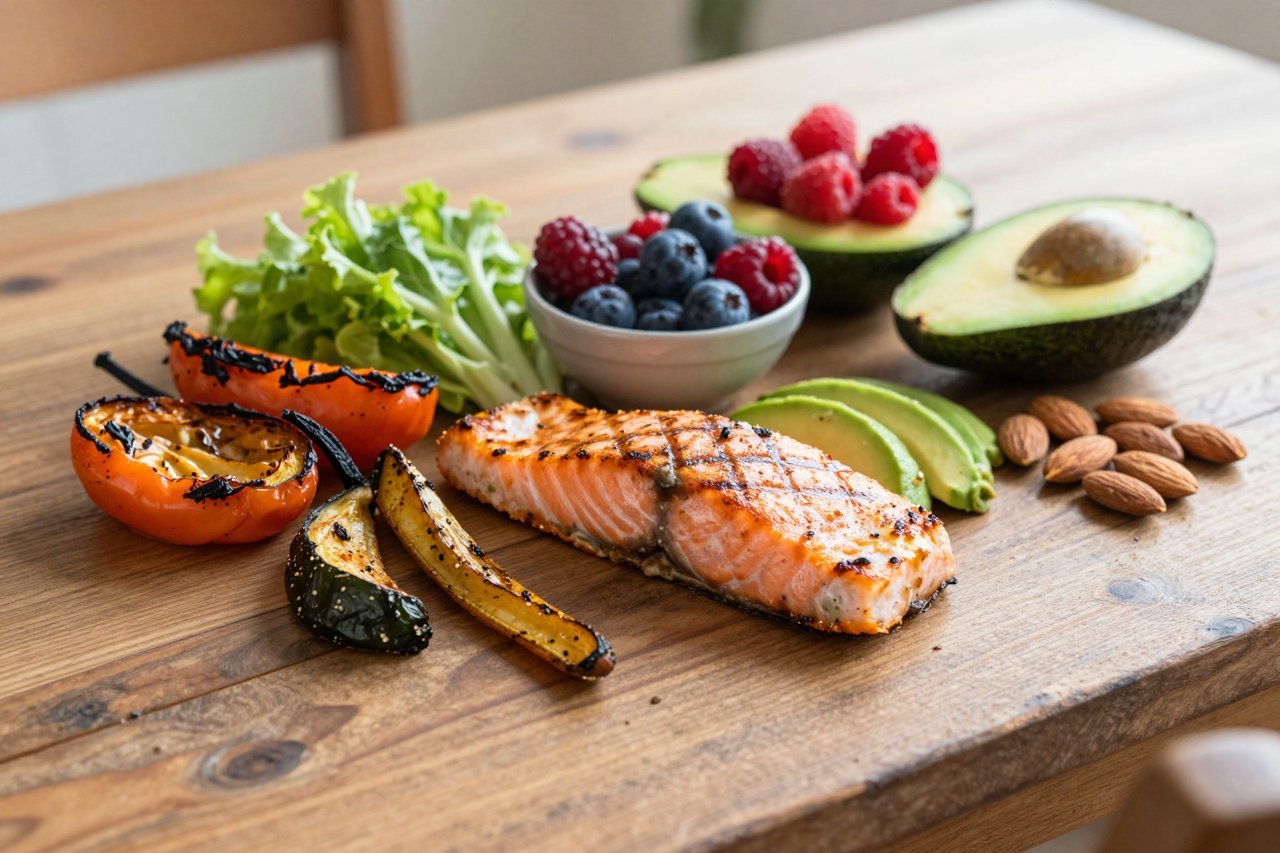
- Eat freely: Meat, poultry, fish, eggs, vegetables, fruits, nuts, seeds, healthy fats (olive oil, avocado oil, coconut oil).
- Avoid completely: Grains (wheat, rice, oats), legumes (beans, peanuts, soy), dairy (except possibly grass-fed butter or ghee for some), refined sugar, processed oils, artificial additives.
This leaves a lot of room for delicious, nutrient-dense meals. For instance, you can enjoy a big salad with grilled chicken and avocado, a stir-fry with vegetables and shrimp, or even homemade mint chocolate chip ice cream made with coconut milk and dark chocolate.
Potential Benefits of Following a Paleo Diet
Research on Paleo is growing, and several studies highlight meaningful improvements in markers of health.
Improved Blood Sugar and Insulin Sensitivity
By cutting out refined carbs and sugars, many people see dramatic drops in blood glucose and insulin levels. A 2019 review in the European Journal of Clinical Nutrition found that Paleo diets consistently led to better glycemic control compared to standard dietary guidelines, especially in people with type 2 diabetes.
Weight Loss and Body Composition
Paleo diets tend to be high in protein and fiber, which increase satiety and reduce overall calorie intake without deliberate restriction. Multiple trials show greater weight loss and waist circumference reduction on Paleo compared to Mediterranean or low-fat diets, often with better long-term adherence.
Reduced Inflammation
Eliminating processed foods, refined oils, and potential food sensitivities can lower inflammatory markers like C-reactive protein. The emphasis on omega-3-rich fish and antioxidant-packed vegetables also plays a role. If you’re carrying extra belly fat, reducing that specifically is crucial—here’s a look at why it’s a good idea to reduce visceral fat and how diet influences it.
Common Criticisms and Considerations
No diet is perfect, and Paleo has its share of skeptics—some for good reason.
Nutritional Gaps
Eliminating dairy and whole grains can make it harder to get enough calcium, vitamin D, and fiber. However, you can still meet your needs with leafy greens, canned salmon with bones, almonds, and plenty of vegetables. Some Paleo followers include limited dairy or use supplements.
Sustainability and Cost
Quality meat and fresh produce can be expensive. Not everyone can afford grass-fed beef or organic berries. A budget-friendly approach is to prioritize conventional vegetables and lean cuts of meat, frozen produce, and cook in bulk.
Not One-Size-Fits-All
Some people thrive on Paleo, while others feel restricted or develop disordered eating patterns. Athletes may need more carbs than the typical Paleo template allows. It’s a framework, not a rigid dogma. If you’re a coach or nutrition professional, understanding these nuances is essential—continuing education courses for nutrition coaches can help you tailor advice to individual needs.
Getting Started with the Paleo Diet
Transitioning to Paleo doesn’t have to be overwhelming. Start with small steps and build from there.
Pantry Makeover
Clear out grains, legumes, refined oils, and processed snacks. Stock up on olive oil, coconut milk, nuts, seeds, spices, and canned fish. Keep plenty of fresh or frozen vegetables on hand.
Sample Meal Ideas
A typical day might look like:
- Breakfast: Scrambled eggs with spinach and avocado, plus a side of berries.
- Lunch: Large salad with grilled chicken, mixed greens, cucumber, cherry tomatoes, and olive oil dressing.
- Dinner: Baked salmon with roasted broccoli and sweet potato wedges.
- Snack: Handful of almonds or an apple with almond butter. For something sweeter, try these lemon blueberry muffins made with almond flour—completely Paleo and gluten-free.
The Paleo Diet and Modern Health Science
While the diet is based on an evolutionary idea, modern research continues to validate many of its principles. A meta-analysis from 2016 found that Paleo diets led to greater short-term improvements in waist circumference, triglycerides, and blood pressure compared to conventional guidelines. Critics rightly point out that long-term studies are limited, and the diet can be low in certain nutrients if not well-planned. But as a template for eliminating ultra-processed foods and emphasizing whole ingredients, Paleo offers a solid foundation for better health.


