
Table of Contents
You can spend a fortune on fancy creams, but if you’re slathering on body lotion at the wrong time, with the wrong technique, or with the wrong formula for your skin, you’re basically throwing money down the drain. I’ve been there. I used to think all lotions were the same until I realized my legs were still flaky an hour after moisturizing. The problem wasn’t my product—it was how I was using it.
Why Body Lotion Does What It Does
Your skin has a natural moisture barrier made up of lipids, keratin, and natural moisturizing factors. That barrier takes a hit every day from hot showers, harsh soaps, sun exposure, and dry indoor air. When it’s damaged, water escapes from the deeper layers and you feel tight, rough, and itchy. Body lotion is designed to replace what’s lost by pulling water into the upper layers and sealing it in. But not all formulas act the same way.
The key difference lies in the balance of humectants, emollients, and occlusives. Humectants like glycerin, hyaluronic acid, and aloe vera attract water from the environment and from deeper skin layers, making your skin instantly plumper. Emollients such as shea butter, jojoba oil, and squalane smooth the spaces between skin cells so the surface feels softer. Occlusives like petrolatum, dimethicone, and mineral oil create a physical barrier that stops water from evaporating.
A lightweight body lotion is mostly humectants and water, which is plenty for summer and for anyone with normal to oily skin. A rich cream or balm leans heavier on emollients and occlusives, which is what you need for winter or if your skin is prone to eczema. Knowing this simple breakdown makes it easier to read a label instead of guessing by the smell.

How to Choose the Right Body Lotion for Your Skin
Stop buying lotion based on how the bottle looks. Start with your actual skin concerns.
Dry, Rough, or Flaky Skin
If you constantly reach for a scrub to get rid of scaly patches, you need more than just oil. Look for ceramides, colloidal oatmeal, urea, or lactic acid. These ingredients both exfoliate and rebuild the barrier. For many people, a classic lotion won’t cut it in the colder months. Switch to a thicker body cream or balm with a higher oil-to-water ratio, and apply it while your skin is still damp to lock in extra hydration.
Sensitive, Easily Irritated Skin
If you get a red rash or a stinging sensation after moisturizing, fragrance is usually the main culprit. Essential oils, synthetic perfumes, and dyes can all trigger inflammation, even if the scent is subtle. For sensitive skin, stick to a short ingredient list and avoid products that list “fragrance” or “parfum” anywhere. We’ve done the legwork and found our best $20 fragrance-free body lotion contains ceramides and niacinamide. It’s gentle enough for daily use on reactive skin and calming enough to heal the barrier.
Aging or Sun-Damaged Skin
Body lotion isn’t just about moisture; it can also address the loss of firmness and tone that comes with time. Retinol is the gold standard for boosting collagen production, but body formulas can be gentler than facial ones. This $18 retinol body lotion has become a cult favorite thanks to shoppers who say it smooths out the crepey skin on their arms and chest. If retinol is too strong for you, or you’re pregnant, try an alternative like Olay’s Regenerist firming body lotion, which uses niacinamide to firm, brighten, and improve discoloration without irritation. It’s a great option for anyone who wants visible results but hates the tight, peeling sensation of traditional active ingredients.
When You Want the Lotion to Double as Perfume
Not all scented body lotions are created equal. Some smell like a synthetic body spray, while others are so beautifully layered they can be worn on their own. We’ve rounded up a list of body lotions that smell as expensive as eau de parfums—their warm amber, vanilla, and floral notes linger for hours. Use one right after a shower, then mist a matching perfume on top. The lotion acts as a base that keeps the scent close to your skin and stops it from fading by lunchtime.
The Right Way to Apply Body Lotion (Step by Step)
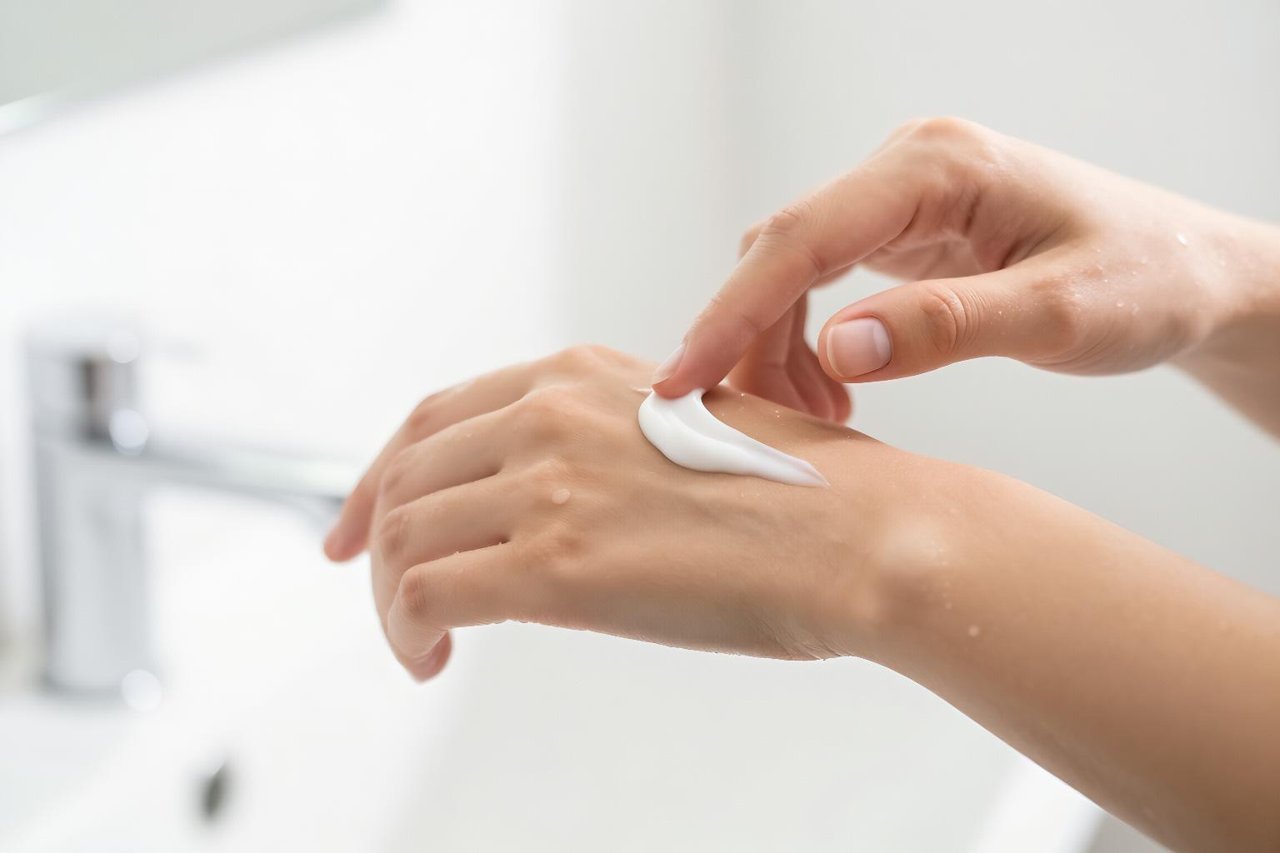
You can buy the priciest moisturizer on the market, but if you apply it to bone-dry skin and use too little, you’ll never see the payoff. Dermatologists are in agreement: the best time to apply is immediately after a shower, because your pores are open and the stratum corneum is still swollen with water. This is sometimes called the “soak and smear” method. Here’s the exact routine I follow and recommend:
- Apply within three minutes of stepping out of the shower. The longer you wait, the more moisture evaporates from your skin. If you miss this window, pat your skin with a damp towel before applying to add water back.
- Don’t rub your skin completely dry. Gently pat away excess water until it’s just damp, then apply lotion. This can boost absorption by up to ten times.
- Use a generous amount. A dab the size of a pea only covers your elbow. For each arm and leg, aim for a blob the size of a nickel. The average adult needs about 20 grams (roughly half a handful) to cover their whole body.
- Warm the lotion in your palms first. Rub your hands together for five seconds so the formula spreads evenly and absorbs more quickly. Cold lotion sits on the skin and takes longer to penetrate.
- Massage in upward strokes toward your heart. This helps improve circulation and moves fluid out of the legs, which is especially helpful if you sit at a desk all day. Don’t rub so hard that you feel friction on your skin.
- Don’t forget every forgotten spot. The backs of your arms, elbows, heels, and your décolletage often miss out. Pay extra attention to your neck and collarbone, where sun damage shows early.
- Wait at least five minutes before getting dressed. This gives the lotion time to sink in so it doesn’t end up on your shirt and leave a weird greasy stain. If you’re in a rush, pat off the excess with a towel rather than wiping it away.
If you’re still dry an hour later, you’re probably under-applying. A good test: your skin should feel supple and smooth, not sticky or slick. Adjust the amount and the weight of your formula until you hit that sweet spot.
Unconventional Ways to Use Body Lotion
Your body lotion can do a lot more than keep your legs soft. It can rescue you in situations you wouldn’t expect. On a weekend trip and forgot your shaving cream? Body lotion works just as well to protect your legs from razor rash. Floral-scented lotion can double as a quick, subtle perfume on your wrists and neck. You can also use a few drops on a cotton pad to remove makeup in a pinch, especially dry or matte formulas that need extra slip.
One of the more surprising hacks comes from actress Simone Ashley, who says she uses body lotion to keep her foundation from pilling. If your makeup balls up and rolls off your face, a microdrop of lotion (the same one from your body) can smooth out the surface before you apply concealer. It evens out texture and gives your foundation a lighter, more flexible hold. It feels counterintuitive, but it genuinely works for dry, patchy skin.
You can also use body lotion to soften your cuticles, tame flyaways, remove makeup, or even polish leather shoes in a pinch. And for an overnight foot treatment, massage a generous amount into your feet, then cover them with cotton socks. You’ll wake up with baby-smooth heels.
The best body lotion isn’t the one with the prettiest packaging. It’s the one you’ll use without having to think twice. Find a formula that matches your skin, keep it next to your shower, and make the three-minute rule a habit. Do that consistently, and you’ll notice a real difference in texture, radiance, and comfort.


