
Table of Contents
Picture a room full of actors who smile, clap, and pretend to be thrilled for four straight hours. Now imagine doing that after a red-carpet marathon and zero snacks. The Emmy Awards have been serving that specific brand of television magic since 1949, and the formula hasn’t changed much — except now there are more streaming logos on the podium than network ones. With more than 70 years of awkward speeches, gorgeous gowns, and “did that actually happen?” moments, the Emmys remain the one awards night where the industry holds its breath.
The Long, Weird History of TV’s Biggest Night
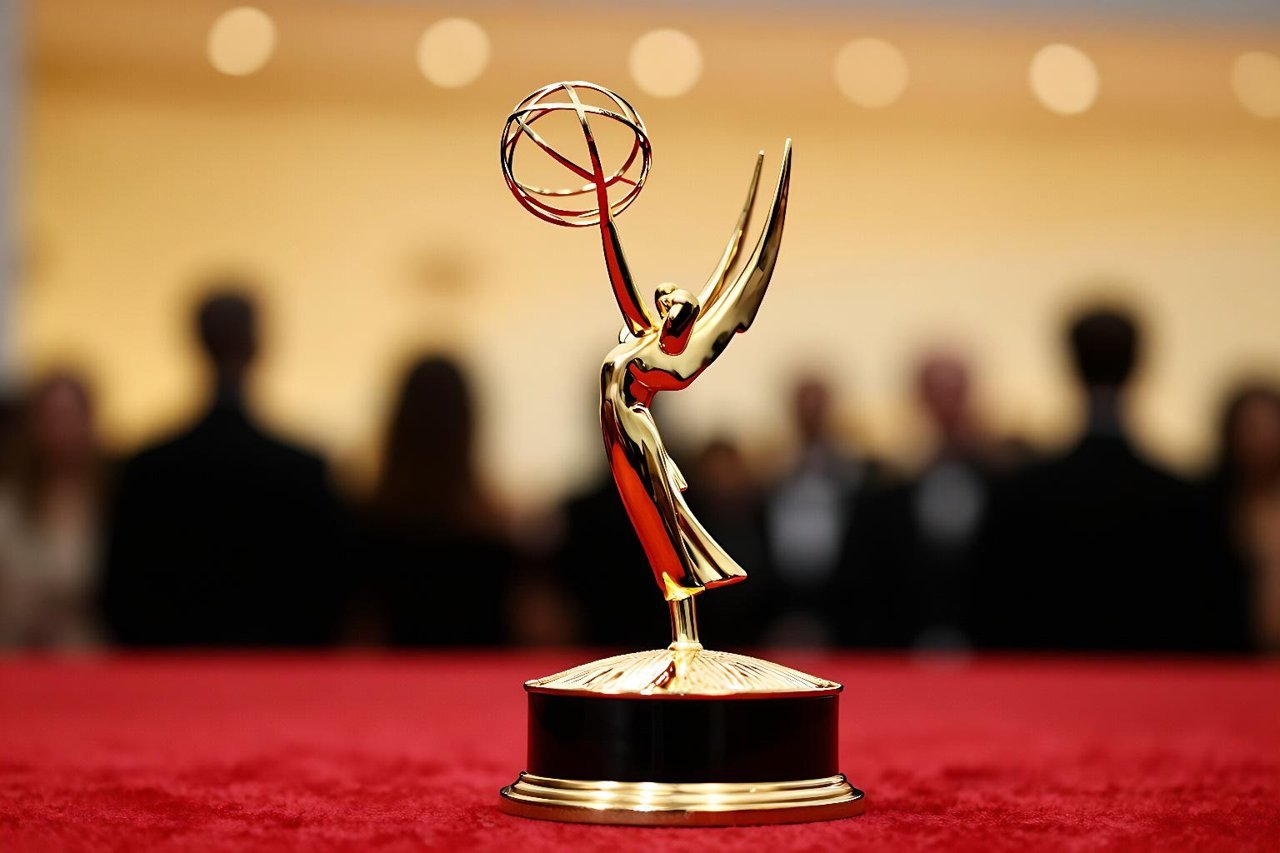
The first Emmy ceremony didn’t even air on television. It took place at the Hollywood Athletic Club with 12 categories, including something called “Best Live Show” and “Best Film Made for Television.” The winged statuette, a woman holding an atom, was dreamed up by engineer Louis McManus. His wife modeled for the design, making her one of the first women to play a part in Emmy history.
Over time, the ceremony expanded into Daytime Emmys, Sports Emmys, News & Documentary Emmys, and even Technology & Engineering Emmys. You can win an Emmy for perfecting a camera lens. That breadth is why the Primetime Emmys, specifically, remain the most watched — they capture the stories we all talk about at brunch, from sofa-king dramas to 30-minute comedies that somehow make us cry.
How the Emmy Awards Actually Work
The voting process is part of what keeps the Emmys unpredictable. Unlike the Oscars, where the entire Academy votes on winners, the television industry uses a two-tier system. First, actors nominate actors, directors nominate directors, and so on. Then the full membership gets a ballot and votes on the final slate.

Here’s what to know about the mechanics:
- More than 25,000 members of the Television Academy vote, and they vote by peer group in the nomination phase.
- Only submitted episodes are eligible. If a show doesn’t submit its best episode, it can lose by its own mistake.
- Winners are decided by first-past-the-post. A show can win by being everyone’s second favourite rather than the top pick.
- The “blue-ribbon panel” for some categories reviews clips before final voting, which is why special effects or choreography winners can feel completely random.
That last part is why you get niche winners that make half the room look confused. There’s no one person to blame; it’s just how the system shakes out.
The Art of the Acceptance Speech (and the Gaffes)
If you watch any deep dive into what makes award shows so addictive, you know it’s not the trophies themselves. It’s the raw, unscripted seconds when a career flashes before someone’s eyes. The Emmys, in particular, churn out legendary speeches. TV actors spend years inside a single character, so when they finally win, the floodgates open.
Remember when an overwhelmed actress dropped her purse mid-speech? Or when a writer thanked his wife, then his dog, then his agent, and the music started playing anyway? These moments feel human in a way that perfectly choreographed red carpets never do.
The 2025 Emmys That Had Everyone Talking
The 2025 ceremony made headlines before the first award was presented. In a landmark move, the show went fully fur-free on the red carpet. Attendees were asked to leave real fur at home, and organisers worked with advocacy groups to give the gala an ethical glow-up. If you want the full backstory of how that victory came together, this explainer on the Emmys going fur-free is worth a read.
Then there was the red carpet itself. Stylists leaned into calm, pastel tones, and one skincare brand seemed to have a mini-monopoly on dewy skin. Beauty editors quickly spotted the same ‘It’ foundation on almost every celebrity — a reminder that in the age of TikTok beauty, a single product can storm an awards show without a single brand logo in sight. Those pastels are likely to echo into the Fashion Awards 2025, where stylists will bring the same mood-board energy to a different red carpet.
As for the winners, the night didn’t disappoint. A few favourites took home hardware, but the jaw-dropping moments came from the underdogs. One long-running drama, overlooked for years, finally got its due, and the cast’s screenshot-worthy confusion became the night’s most replayed clip. That’s the Emmys at their best — when the outcome makes you rethink the entire season.
Why the Emmys Still Beat the Golden Globes
Let’s be honest: the Golden Globes are Hollywood’s wildest, most unpredictable night. They’re also often the most inebriated. The Emmys trade that chaotic energy for a different kind of tension — the deep, competitive fear of people whose entire artistic identity is bound up in a TV show.
There’s also a practical reason the Emmys matter more now. Streaming services have radically expanded the number of shows, and the Emmy ballot reflects that. A show with a smaller audience can win if enough passionate voters watch the submitted episode. That’s why the big networks can’t dominate the way they did in the 1990s. The playing field is wider, and the winners feel more genuinely diverse.
The Future of the Emmys: More Categories, More Countries, More Chaos
You can expect the Emmys to keep expanding. The Television Academy has already added categories for animated series, guest performers, and even a “creative arts” branch that covers everything from stunt coordination to motion design. International shows are getting more attention, too, as streaming services push global hits onto US ballots.
That also means the size of the ceremony is getting unwieldy. Some years, the award for Outstanding Sound Mixing is presented in a separate, pre-taped event. The main telecast is now a carefully edited highlight reel of the night. If you want to watch the full show, you need to sit through hours of technical awards.
But the Emmys will survive because television is still a shared language. We binge together, we argue about endings together, and every September we gather to crown the shows that defined our year. Whether it’s a legacy star finally taking home a statuette or a breakout scene-stealer sprinting to the stage, the outcome stays delightfully impossible to predict. That’s the magic of the Emmys — and it’s exactly why we keep watching.


