
Table of Contents
Your skin feels tight, looks dull, and no amount of lotion seems to change that. You have bottles of moisturizer on your nightstand, but your face still flakes by noon. If this sounds familiar, you’re not alone — millions of people deal with xerosis, the medical term for abnormally dry skin.
The frustrating part? Most dry skin treatment advice is either too generic (“just moisturize more”) or too extreme (“cut out all actives and live like a monk”). The truth is, dry skin is a barrier issue, not a hydration shortage. Understanding that difference changes everything.
What Actually Causes Dry Skin?
Your skin’s outer layer, the stratum corneum, is made of dead skin cells held together by lipids — mainly ceramides, cholesterol, and fatty acids. Think of these lipids as the mortar between bricks. When that mortar is damaged or depleted, moisture escapes through the cracks. The result is transepidermal water loss, which triggers the tight, flaky, itchy feeling you know.
Several things strip that lipid barrier: harsh soaps and detergents, hot water, dry indoor heat in the winter, over-exfoliating with acids or physical scrubs, and even genetics. Age matters too — oil-producing glands slow down as you get older, so skin naturally becomes drier.

The Biggest Dry Skin Mistakes You’re Probably Making
Before diving into the best treatments, it’s worth checking whether you’re undoing your efforts every day. These mistakes are surprisingly common.
- Washing your face with hot water. Hot water melts lipids instantly. Use lukewarm water instead.
- Using a foaming cleanser with sodium lauryl sulfate (SLS). Foam isn’t your friend here — it strips everything.
- Drying off completely before applying moisturizer. If your skin is already dry, the moisturizer has less water to pull in.
- Relying on a light gel lotion alone. Gel moisturizers often evaporate quickly, leaving irritated skin behind.
- Exfoliating every day. Dry skin cells are already loose, so harsh scrubbing makes the barrier worse.
If any of that sounds familiar, you’re not doomed. The fix is simple — swap a few habits, and your skin will respond faster than you expect.
A Step-by-Step Dry Skin Treatment Routine That Works
You don’t need twenty products. You need a system. Here’s a routine that targets the actual problem: water loss.
Step 1: Wash With a Gentle, Non-Stripping Cleanser
For your face, choose a cream cleanser or a cleansing balm. Look for words like “for dry skin” or “hydrating cleanser” on the label, and avoid anything that foams aggressively. For your body, swap your shower gel for a soap-free wash with a pH around 5.5.
Keep your shower time under ten minutes. Any longer, and the water itself starts breaking down the barrier. When you step out, pat your skin dry with a towel — don’t rub.
Step 2: Apply Moisturizer Within Three Minutes of Drying
This is the golden rule of dry skin treatment. Damp skin is a sponge; dry skin is a brick. If you apply a hydrating product within three minutes of stepping out of the shower, you trap water in the stratum corneum.
The order matters:
- First, apply a serum with a humectant like hyaluronic acid or glycerin. These molecules pull water into the skin.
- Next, use a cream with ceramides or shea butter. This replaces the missing lipids.
- Finally, if you’re very dry, seal it with an occlusive balm — something with petrolatum, beeswax, or squalane.
A good example is the classic combination of a glycerin serum followed by a ceramide cream. You don’t need to spend a fortune.
Step 3: Use a Richer Product for Body, Hands, and Lips
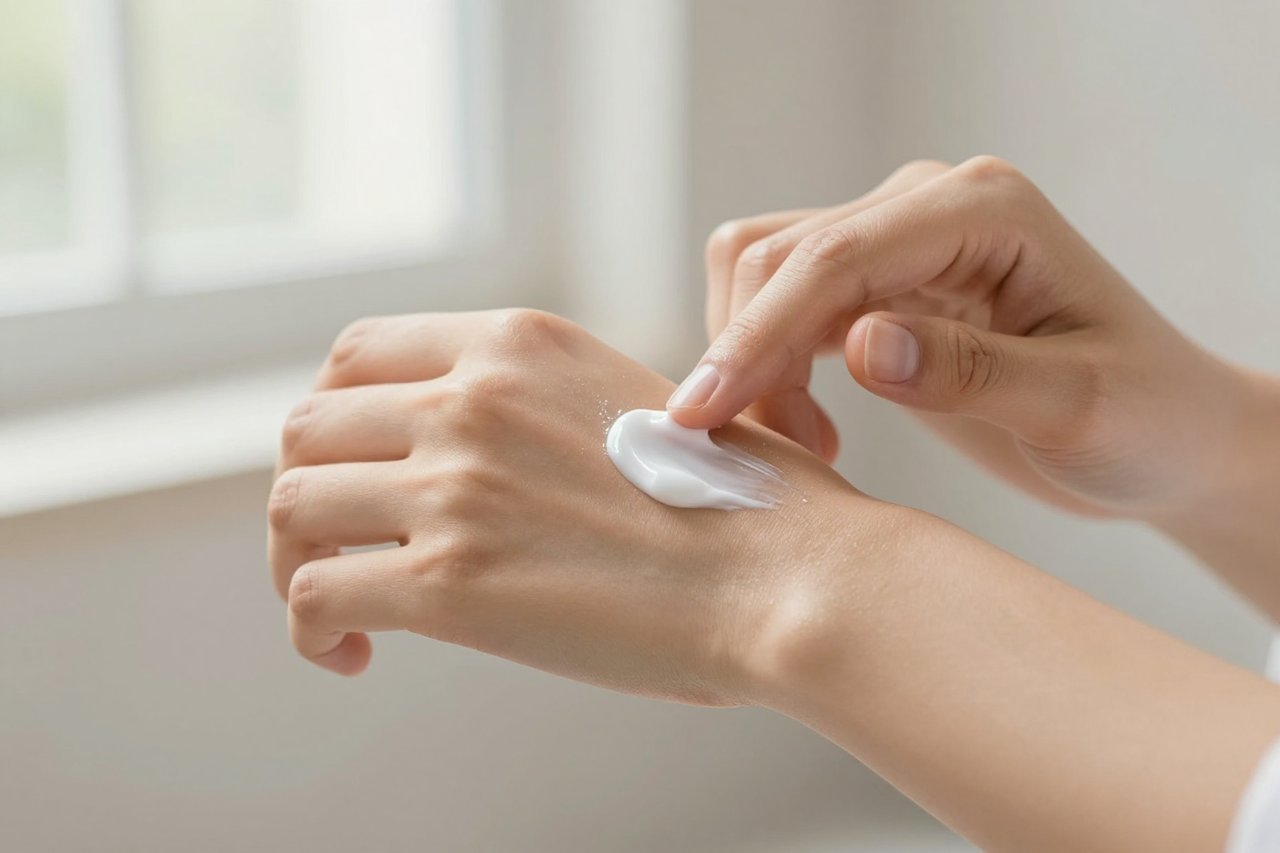
Facial moisturizers are often too thin for the rest of your body. The skin on your arms and legs is thicker and has fewer oil glands. A lotion with 70% water might make you feel moisturized for an hour, but it won’t last the day. That’s why choosing the right body butter is worth the extra money — it has a higher oil-to-water ratio and sits on the skin longer, protecting the barrier.
For your hands, always have a tube of thick cream nearby. Apply it after every wash. For your lips, look for an ointment containing lanolin or petrolatum, not just a wax stick.
The Best Ingredients for Dry Skin (and a Few to Avoid)
Not all moisturizers are created equal. Here’s what dermatologists actually look for:
- Ceramides: These are the exact lipids your skin loses when it becomes dry.
- Glycerin: A cheap, effective humectant that works at any concentration.
- Hyaluronic acid: Holds up to 1,000 times its weight in water, but it needs a humid environment to work.
- Squalane: A lightweight oil that mimics skin’s own sebum.
- Niacinamide: At 2–5%, it supports barrier function and reduces irritation.
- Petrolatum: The gold-standard occlusive. It reduces water loss by up to 98%.
Avoid anything with denatured alcohol, synthetic fragrance, or high concentrations of AHAs and retinoids — at least until your barrier is healed.
Targeted Dry Skin Treatment for Hands, Feet, and Lips
Some areas are stubbornly drier than others. Your hands, for example, are constantly exposed to soap and water, so they need extra protection. If your fingertips crack and bleed, you’re dealing with more than just cosmetic dryness. In fact, brittle nails treatment often starts with fixing the dry skin around the nail bed, because the cuticle is what protects the root of the nail.
For cracked heels, do this before bed: wash your feet, apply a thick ointment containing urea or lanolin, then pull on a pair of cotton socks. The occlusion increases penetration dramatically. Within three or four nights, you’ll notice a difference.
How to Fix Dry Skin Fast When You’re About to Go Out
Sometimes you need a quick fix. Maybe you have a meeting or a date, and your face looks like patchwork. There are some fast-acting dry skin treatments that produce immediate smoothing, usually by combining a humectant with a dimethicone-based primer. These won’t fix your barrier long-term, but they’ll get you through the day.
Another trick: apply a few drops of facial oil to damp skin, then press — never rub — the moisturizer on top. The oil traps the water and eliminates those white, flaky patches within minutes.
Lifestyle Habits That Keep Dry Skin Away
Your environment plays a huge role in dry skin treatment outcomes. In winter, indoor heating drops humidity below 20%, which is essentially a desert for your skin. A humidifier can bring your bedroom back up to 50% humidity, and you’ll notice a difference in your skin by morning.
Also consider your clothing. Rough wool directly against the skin can trigger itching, especially if you have eczema. Soft cotton layers work better.
And while drinking water is good for you, it doesn’t directly increase skin hydration. Your skin gets its water from deeper layers through a process called microcirculation. What helps more is eating foods rich in omega-3 fatty acids, like salmon or flaxseed, and using topical products that contain the same fats.
When Dry Skin Needs a Doctor’s Attention
If you’ve followed a proper routine for two or three weeks and still have raw, weeping, or intensely itchy skin, don’t self-prescribe more ointment. Get a medical opinion. Dry skin can be a symptom of thyroid issues, diabetes, or a skin condition like eczema or psoriasis. A doctor can prescribe prescription-strength treatments or topical steroids that are far more effective than anything over-the-counter.
Your skin isn’t stubborn — it’s just telling you something. Listen to it.


