
Table of Contents
Your blood pressure reads 148 over 92. The nurse frowns, resets the cuff, tries the other arm. Same number. Ten minutes later you’re in the car park wondering whether it was the double espresso you drank on the way in, or the fact that you sprinted from level four because you were late. Probably both. Probably neither.
A routine health checkup is one of the few hours a year you get with a doctor when nothing is actively wrong. That’s exactly what makes it easy to waste. Turn up unprepared and you’ll spend half the slot answering questions you could have written down, and the other half trying to remember the name of the tablet your cardiologist switched you to in March.
Start With the Numbers You Already Have
Your GP is building a picture, and the more pieces you bring, the sharper it gets. If you’ve been checking your blood pressure at home, write the readings down for the last two weeks, including the time of day and which arm. Same for blood sugar if you’re monitoring it, and for weight if you’ve been tracking it. A single reading in a clinic is a snapshot taken under mild stress. Two weeks of readings is a trend.
Recent test results are just as useful. Had bloods done at a different clinic, an ultrasound at a private hospital, a scan after a fall? Ask for copies and bring them. It saves duplication, and it stops you repeating a test you paid for eight weeks ago. If you want a broader steer on squeezing value out of that annual slot, these tips on making the most of your annual checkup are worth a read before you go in.

Write Down What’s Actually Been Bothering You
This is the single highest-return piece of preparation. Sit down the night before with a pen and finish this sentence honestly: what’s changed since last year?
Be specific, because vague complaints get vague answers. Not “I’m tired a lot” but “I fall asleep on the sofa by 9pm, which never used to happen, and I’ve started needing an alarm to wake at 7.” Not “my stomach’s been off” but “bloating most evenings for about six weeks, worse after pasta.” Not “dizzy sometimes” but “dizzy when I stand up quickly, maybe three times a week, since about May.”
Include the things you’re tempted to leave out: libido, mood, hair thinning, night sweats, how often you actually get up to pee. People edit themselves constantly in these appointments, then leave frustrated. I’ve seen how badly that can go — one account of keeping menopause symptoms a secret for years shows how much easier the conversation gets once you simply say the thing out loud.
If paperwork tends to disappear in your house, treat your health records like any other admin pile. The same habits behind getting your life together in ten practical steps apply neatly to a folder of results, referrals and repeat prescriptions.
Build a Complete Medication List
Not just the prescriptions. Everything that goes into your mouth on purpose, including the things you don’t think of as medicine.
- Prescription drugs: name, dose, how often, and who prescribed it — including anything from a specialist your GP may not have a letter about yet.
- Over-the-counter painkillers: how many days a week, roughly. Regular ibuprofen or paracetamol use matters, especially for blood pressure and stomach symptoms.
- Supplements and herbal products: iron, vitamin D, magnesium, ashwagandha, St John’s wort. They interact with prescription drugs more often than most people realise.
- Anything you’ve stopped: a statin that gave you muscle aches, an antidepressant you tapered off in spring. The reason you stopped is clinical information.
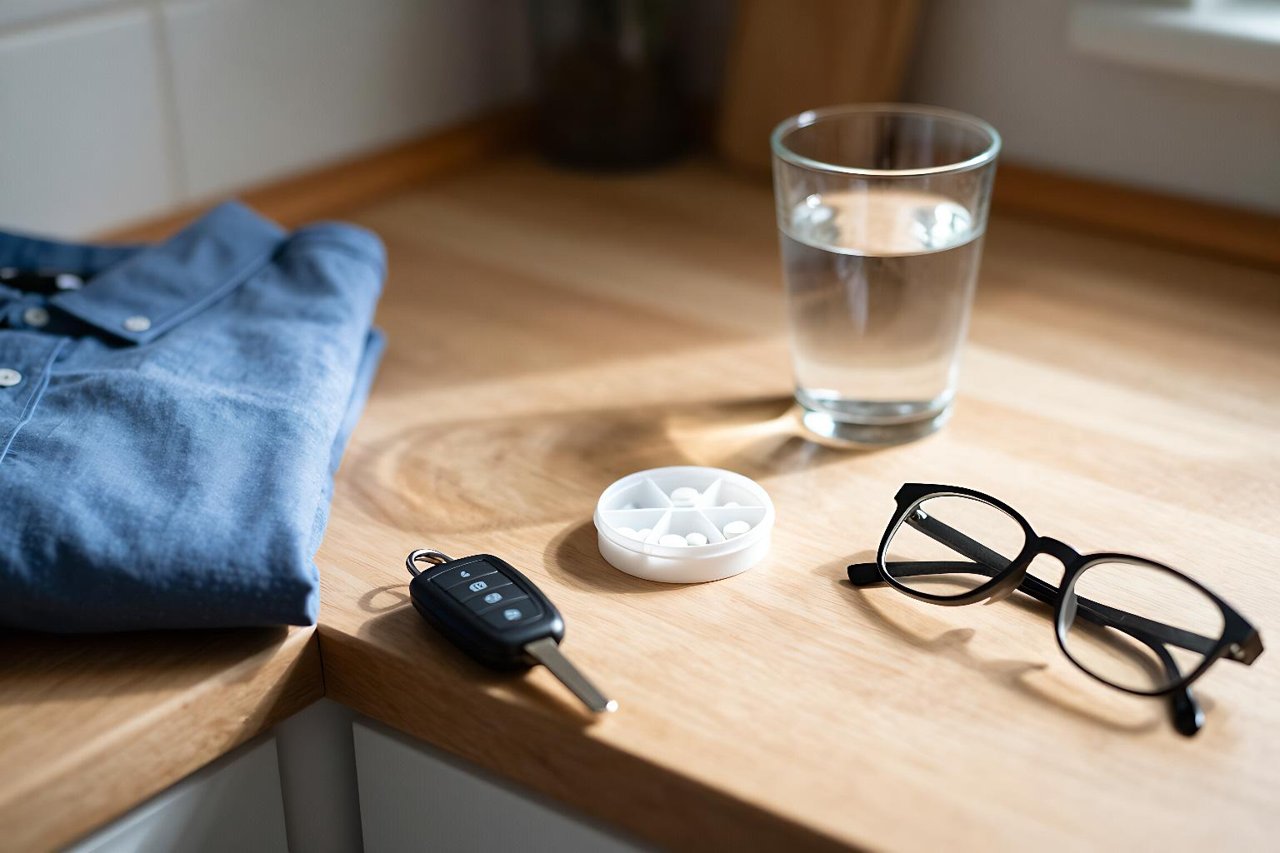
The best method is boring: tip your actual pill box or drawer onto the table and photograph it. Don’t rely on memory in the room.
Ask About Fasting Before You Assume
Fasting rules vary enormously between clinics and between tests. A lipid panel or a fasting glucose usually wants 8 to 12 hours with nothing but water. A full blood count doesn’t care. If your checkup is combined with a fasting test and you eat breakfast out of habit, you may end up rescheduling the whole thing.
Two things worth confirming when you book:
First, whether you should take your morning tablets — blood pressure medication, thyroid tablets, diabetes drugs — with a sip of water or hold off until after the blood draw. Don’t guess and don’t skip them on your own initiative. Second, whether water is encouraged. It usually is. Being well hydrated makes a vein easier to find, which matters if you’re the person who always gets stabbed twice. Drink a couple of glasses an hour before, and keep your hands warm on the way in.
The Night Before: Sleep, Alcohol and Stubborn Habits
A heavy drinking session the night before can nudge liver enzymes and triglycerides upward, and a late night shifts your blood pressure. Try to keep the 24 hours before the appointment unremarkable: normal dinner, no big night out, no brutal gym session, a reasonable bedtime. If you’ve been told to fast overnight, black tea or coffee without milk won’t break it in most cases, but a latte will — check rather than assume.
One more: if you smoke, don’t have a cigarette in the 30 minutes before your blood pressure is taken. It will show, and you’ll spend the rest of the appointment discussing a reading that isn’t your baseline.
What to Wear and What to Stuff in Your Bag
Short sleeves or a loose sleeve that rolls above the elbow, so the cuff goes on bare skin. Flat shoes for the scale. Skip a tight bra or shapewear if you’re having anything examined. Beyond clothing, pack:
- Photo ID and your insurance or health card
- Your medication list and any recent results
- A written list of symptoms and questions, in priority order
- Glasses or hearing aids if you use them
- A water bottle, and a snack for afterwards if you’re fasting
Arrive ten minutes early so you’re not the person jogging through reception. If you’ve rushed, tell the nurse, and ask to sit quietly for five minutes before the cuff goes on. A proper rest period genuinely changes the number.
Questions Worth Asking While You’re in the Room
You don’t need to be an expert, but you do need to steer. Try to leave with answers to these: What were my numbers last year, and what are they now? What’s the plan if this result comes back borderline — retest in three months, or act now? Which of these changes would make the biggest difference?
If fatigue, low mood or flagging energy is on your list, ask whether a hormone panel is appropriate rather than waiting to be offered one. There’s a lot of noise online about this; a sensible starting point is understanding the realistic ways to support testosterone naturally, then asking your doctor what testing would actually tell you.
Afterwards: The Twenty Minutes That Make It Count
Before you leave the building, sit in the car and write three things in your phone: what you were told, what happens next, and when. Results arrive in a portal two weeks later with no context and a red flag on a value that’s 0.1 above range. Without notes, that’s a fortnight of quiet anxiety.
Then diarise the follow-ups now, not later. Book the repeat blood test at the desk. Set a reminder for the review appointment. If you were asked to monitor your blood pressure at home, decide tonight where the cuff lives and what time of day you’ll use it. Small, boring actions taken in the week after a checkup are what turn an hour of appointments into something that actually changes your health — which is the only measure of a checkup that matters.


