
Table of Contents
The ring was a 1.2-carat solitaire, appraised at $6,800 for the wedding. Four years later it slipped off in the surf near Siesta Key. The couple’s homeowners policy carried a $2,000 theft sublimit for jewelry, which is on the generous end of normal. They collected $2,000 minus a $1,000 deductible. A $6,800 loss, a $1,000 check, and a very quiet drive home.
That gap is the whole reason jewelry insurance exists. Most people own a few pieces worth more than their policy will ever pay out for, and they find out at the worst possible moment.
The sublimit hiding in your homeowners or renters policy
Standard homeowners forms cap what they’ll pay for theft of jewelry. In most states that cap lands between $1,000 and $2,500 per loss, and it applies to the total of everything stolen, not to each item. Some insurers bump it to $5,000 if you ask. Your deductible still comes off the top.
The exclusions matter as much as the number. A stone that works loose from its setting while you’re doing dishes is often not covered at all, because nothing was stolen and nothing burned. Policies frequently exclude “mysterious disappearance,” which is insurance-speak for it’s just gone and nobody knows how. Lost earrings, rings down a drain, a bracelet left in a hotel bathroom: excluded on many standard policies.

None of this makes homeowners coverage bad. It’s built to protect the house, not the contents of your jewelry box. If you want a clearer picture of what a standard policy does and doesn’t handle, this breakdown of how home owner insurance actually works is a useful starting point before you call anyone.
What scheduling a piece actually does
Scheduling means listing an individual item on your policy with a specific description and value. Sometimes it’s called a rider, a floater, or a valuable articles endorsement. Once a piece is scheduled, the insurer agrees to pay the listed amount if it’s lost, stolen, or damaged. No depreciation argument, no sublimit, usually no deductible.
What it costs
Budget 1% to 2% of the appraised value per year. A $5,000 engagement ring runs roughly $50 to $100 annually. A $30,000 strand of pearls might be $300 to $600. Rates climb in high-theft zip codes, for pieces worn daily, and for items stored without a safe. A handful of carriers quote below 1% for lower-risk items, and choosing a $250 deductible instead of $0 can shave 10% to 20% off the premium.
Compare that to the alternative. A $6,000 ring insured at 1.2% costs about $72 a year. Over a decade that’s $720. If you’d genuinely replace the ring out of savings after a loss, the math is worth running honestly.
What a decent policy covers
- Loss — the piece disappears and you have no idea where. This is the coverage most people actually need and the one standard policies usually won’t give you.
- Theft — from your home, a gym locker, a rental car, a checked bag.
- Damage and breakage — a chipped emerald, a bent prong, a snapped chain.
- Worldwide protection — scheduled items travel with you, which is more than most travel policies will do for jewelry.
- Pair and set coverage — if you lose one of a matched pair of earrings, the insurer replaces both so they still match.
The clauses that decide whether your claim gets paid
Stale appraisals
Insurers pay the scheduled amount, not what the piece is worth today. Gold tripled between 2005 and 2012. If your 2010 appraisal is still on file, you’re carrying a policy that will replace maybe half of what you lost. Get a fresh appraisal every two to three years, and ask for an agreed value policy rather than actual cash value, which subtracts depreciation.
The newly acquired window
Most policies automatically cover a newly bought or inherited piece for 30 to 90 days, up to a per-item cap like $10,000 or 25% of your total scheduled value. That window exists for engagements and inheritances. Miss it and the new ring sits under the $1,500 sublimit like everything else.
Wear and tear, and the pre-existing damage question
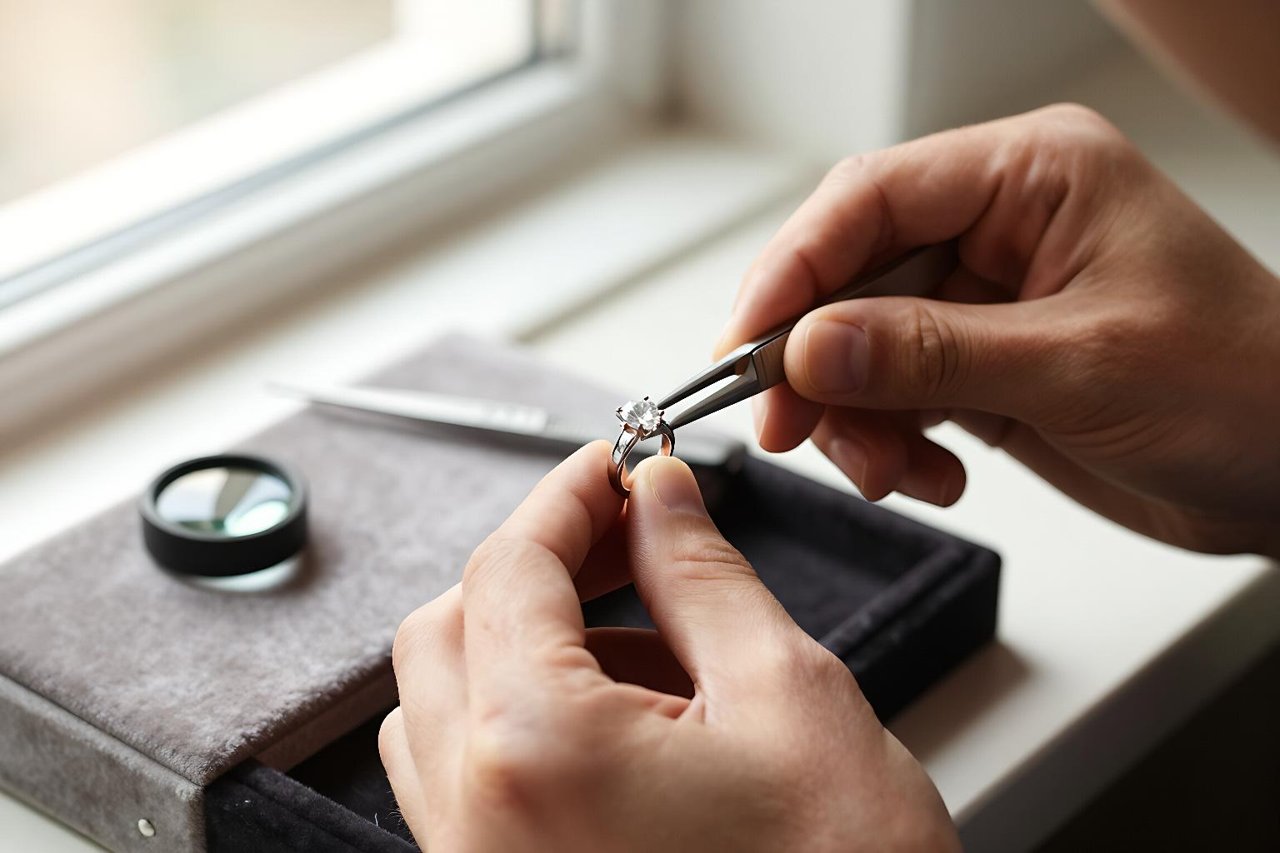
Gradual deterioration is excluded everywhere. So is damage that existed before you bought the policy. If a prong has been worn thin for years and finally lets go, an adjuster will look at the metal under magnification and can reasonably call it wear and tear. Annual inspections at a jeweler, documented, are cheap insurance against that argument.
Standalone policy or an add-on to your existing coverage?
An endorsement on your homeowners or renters policy is convenient and may earn you a multi-policy discount. A standalone valuable articles policy from a specialist carrier often covers more perils, offers a $0 deductible, and keeps jewelry claims off your homeowners loss history. That last part is underrated. A $3,000 jewelry claim can count against you at renewal the same way a kitchen fire does, and two claims in three years can make you hard to insure.
Renters face the same math with lower stakes. A standard renters policy has the same jewelry sublimits, and the same fix applies. If you’re weighing options, this look at cheap renters insurance that doesn’t leave you exposed covers where the gaps typically sit, and comparing a few renters insurance quotes side by side will show you quickly whether an endorsement or a separate policy is cheaper for your situation.
The twenty minutes of admin that saves a claim
Adjusters don’t reject claims out of spite. They reject them because the paperwork doesn’t prove what was lost. Do this once and you’re covered for years:
- Photograph each piece on a plain white surface with a coin or ruler for scale. Photograph the hallmark and any engraving.
- Keep the original appraisal, receipt, and any GIA or AGS certificate in one folder, scanned to cloud storage.
- Write down serial numbers, inscriptions, and total carat weights. A jeweler can supply the last two on a receipt.
- Ask your insurer whether pieces above a certain value must live in a safe or safe deposit box. Some policies require it and void coverage if you ignore it.
- Add new pieces to the policy within the automatic window rather than after.
Travel is where good intentions fall apart. Rings come off at airport security and poolside, and hotel room thefts are common. Standard trip insurance covers far less jewelry than most travelers assume, often a few hundred dollars at most. A scheduled item, by contrast, is insured whether you’re in Denver or Dubrovnik.
When it makes sense to skip it
Not every piece needs a policy. Costume jewelry, fashion watches, and anything you’d replace without flinching are fine under the sublimit. If your annual premium would exceed roughly 2% of the item’s value, or if the piece spends its life in a bank box, self-insuring is a defensible choice. Heirlooms with more sentimental than market value are a judgment call, since insurance replaces money, not memory.
For collections above $50,000, a broker who writes high-value home policies can often fold jewelry into a broader valuable articles policy at a better rate than insuring pieces one at a time.
Two questions to ask this week
Pull out your policy and find the answer to two things: what is my jewelry theft sublimit, and is mysterious disappearance covered? If the answer to the second is no, you don’t have jewelry insurance. You have a small theft benefit attached to a home policy.
Then price a scheduled rider on your most valuable two or three pieces. It takes one phone call, it usually costs less than a streaming subscription per month, and it converts a $6,800 loss into somebody else’s problem.


