
Table of Contents
[ad_1]
The fall and winter seasons bring many things: changing leaves, the holidays and a rise in seasonal illnesses. The common cold and the flu are familiar complaints in the colder months, but there’s another often overlooked virus that keeps many people sick: RSV.
Respiratory syncytial virus (RSV) is a common respiratory virus that’s easily spread through respiratory droplets (small droplets of moisture) when an infected person coughs or sneezes, by direct contact with someone who has RSV or by touching a contaminated surface. It can cause symptoms similar to the common cold, flu and Covid, such as a runny nose, fever, wheezing and difficulty breathing. RSV affects millions of people each year and leads to an estimated 110,000 to 180,000 hospitalizations among adults ages 50 and older in the U.S.
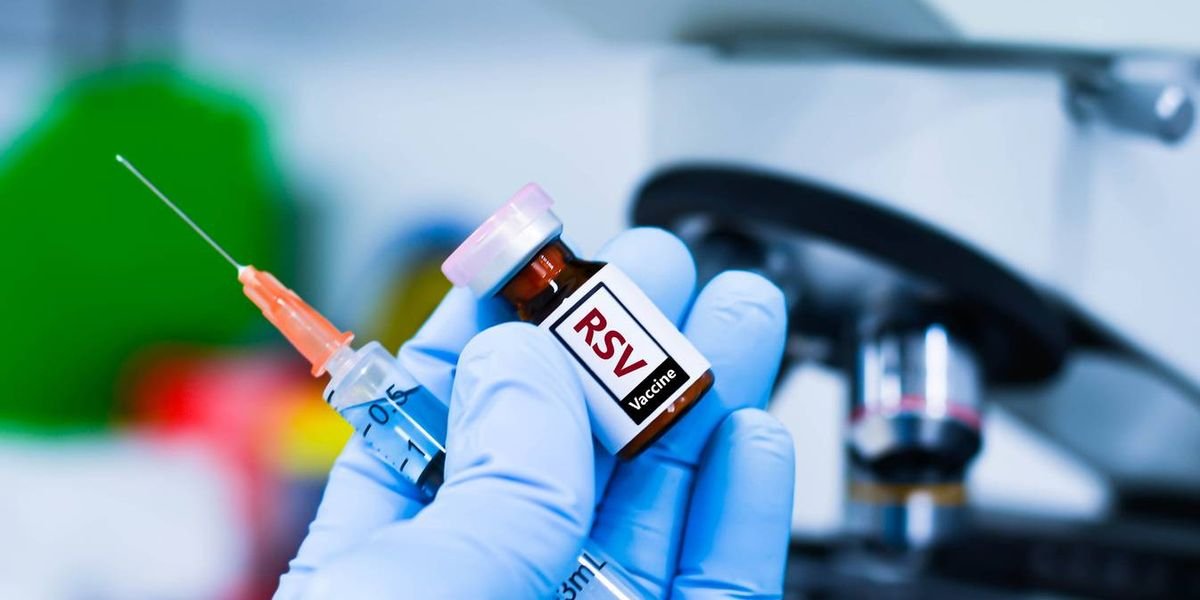
The RSV vaccine is recommended for pregnant women, babies and children as well as for people ages 75 and older and for high-risk adults ages 50 to 74. While you can get the vaccine at any time of the year, it’s best to get vaccinated in the late summer or fall.
Since many illnesses spread in the colder months, it’s essential to know your risk and how to reduce it, so you can take the necessary precautions to stay healthy.
Here are seven things you may not know about RSV.
1. RSV doesn’t just affect babies — adults can get it, too
While RSV is more common and often more severe in children under the age of 5, adults can also develop the respiratory virus. Many adults with RSV may only experience mild symptoms, like a runny nose or fever, while others may become severely ill and require hospitalization. About 10,000 U.S. adults die from RSV complications each year.
Older adults, in particular, face serious risk of complications. Because aging and certain chronic conditions weaken the immune system, an RSV vaccine is recommended to help reduce the risk of severe illness.
2. RSV can cause pneumonia
RSV is one of the leading causes of pneumonia, or inflammation in the lungs. This chronic lung condition can develop if RSV makes its way to the lower respiratory tract.
Pneumonia can be serious for anyone, but particularly for older adults, those with weakened immune systems, and those with chronic heart or lung disease.
4. RSV can worsen existing heart conditions
Beyond potential lung complications, RSV can put strain on the heart, causing inflammation, raising blood pressure and making blood clots more likely.
If you’re an older adult with heart disease, heart failure or a related condition, this added stress may trigger serious cardiac events or worsen symptoms.
5. Having a chronic illness increases RSV risk
Certain chronic conditions make it harder for your body to fight respiratory illnesses because they weaken your body’s ability to fight infection or impact organs. Severe RSV complications while managing a chronic illness could lead to chronic respiratory problems or hospitalization.
Adults with the following chronic illnesses have a higher risk of getting more severe illness if you get RSV:
- Asthma
- Chronic heart failure (CHF)
- Chronic kidney disease (CKD)
- COPD
- Coronary heart disease (CAD)
- Diabetes
- Obesity
6. The RSV vaccine may offer additional benefits beyond RSV protection
In addition to protection from the respiratory virus, the vaccine may offer other health benefits. Early research suggests a link between RSV vaccination and a lower risk of dementia in older adults. But more studies are needed to confirm.
7. Ex-smokers still have a higher risk of serious RSV complications
Even years after quitting, you may still be at a higher risk of developing RSV. Smoking can cause permanent damage to your lung tissue and immune system, reducing your body’s ability to fight off the virus and increasing the likelihood of more severe RSV complications.
Protecting yourself against RSV
You can lower your chances of getting RSV by getting vaccinated, practicing good hand hygiene, avoiding contact with people who are sick, and wearing a mask in crowded indoor spaces. These steps won’t eliminate risk, but they can significantly reduce it.
RSV can be a serious condition, but prevention and early awareness can go a long way. Talk with your healthcare provider about vaccination and the best ways to protect yourself.
This educational resource was created with support from Moderna.
From Your Site Articles
Related Articles Around the Web
[ad_2]
Source link