
Table of Contents
[ad_1]
Manual outreach can only take you so far. It’s useful when your business is in its initial stages; however, once your business grows, you need innovative and scalable ways to engage customers or prospects.
Enter conversational AI for sales. It makes your outreach efforts more calculated and informed. Whether it’s inbound or outbound communication, conversational AI gives you the insights you need to scale your operations, reach people thoughtfully, and have engaging conversations.
In this article, we’ll explore conversational AI for sales in detail and highlight innovative ways to engage customers in human-like conversations.
What Is Conversational AI for Sales?
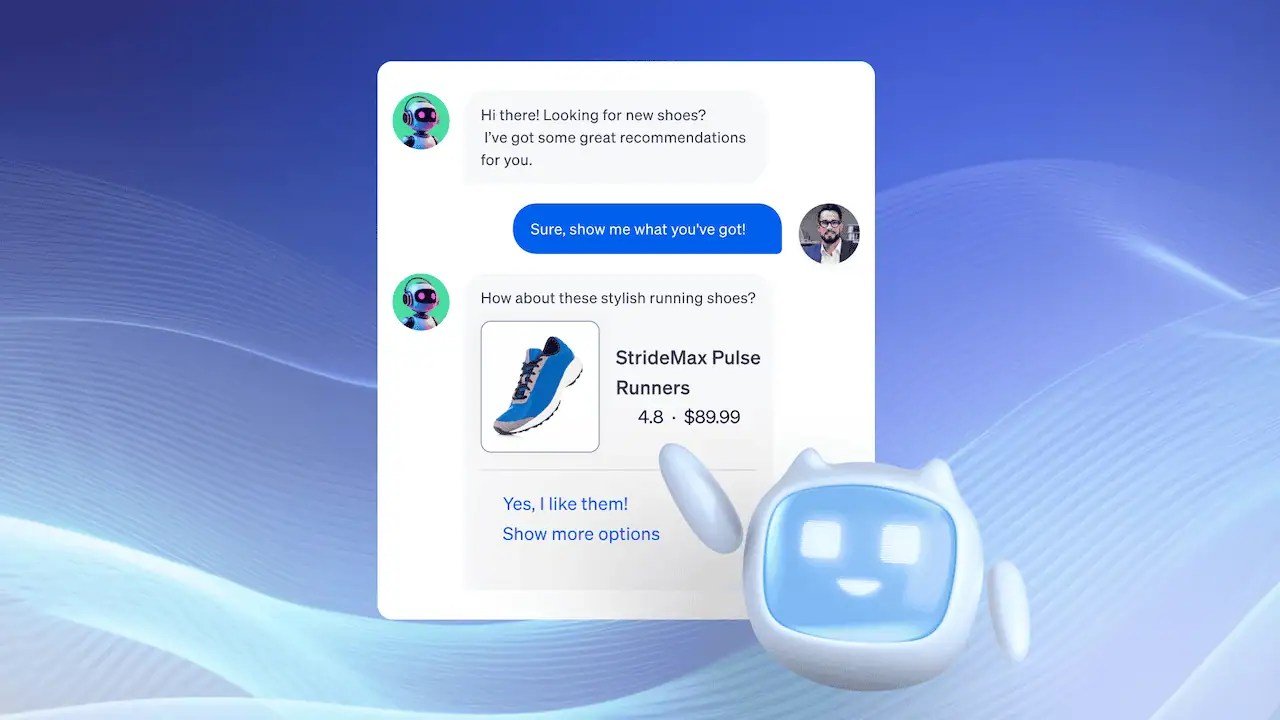
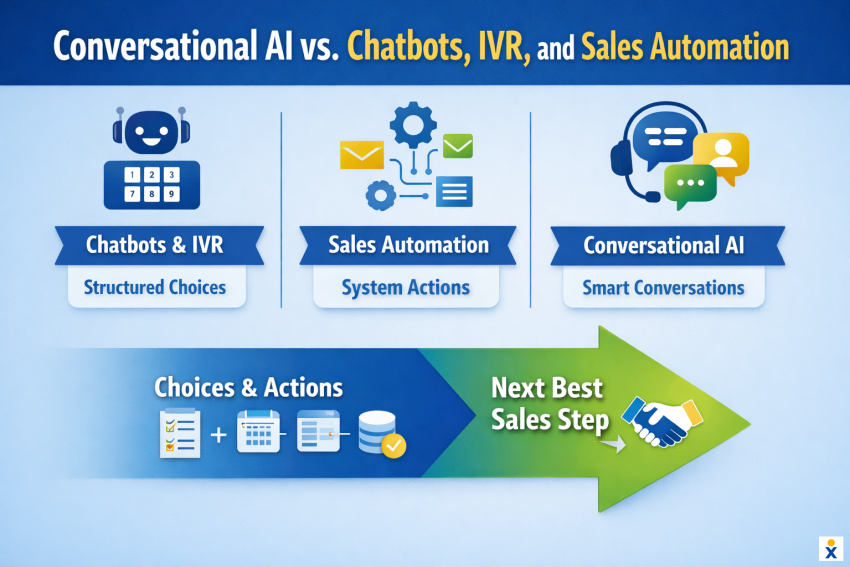
Conversational AI technology combines natural language processing, machine learning, and artificial intelligence to understand and respond to human language (spoken or written). It can carry out simple tasks based on that conversation: answer frequently asked questions, collect details, or route phone calls to the right place so that you don’t risk missing important calls.
Conversational AI for sales applies that same capability to revenue workflows. Instead of a rep handling every first touch, follow-up, or routing decision, conversational AI can engage prospects in real time, ask qualifying questions, capture contact details, and book meetings—or pass the conversation to a salesperson when it’s ready for a human.
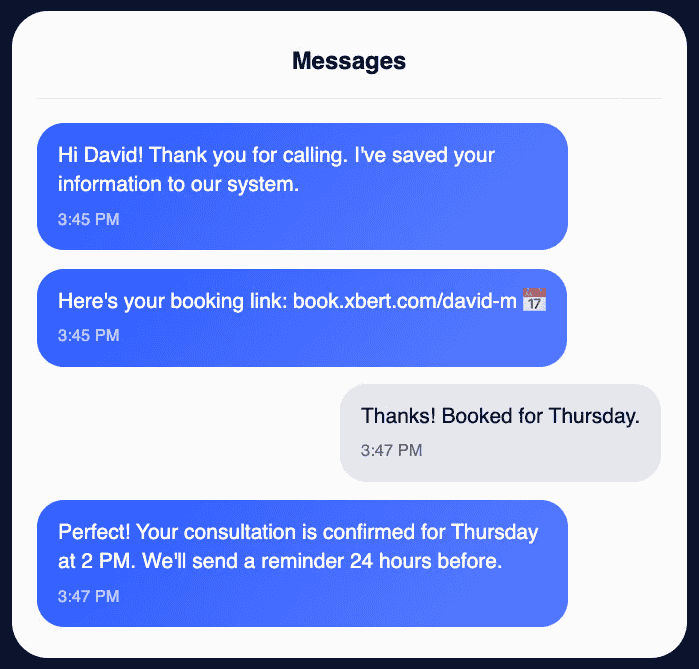
It can also support reps after calls by summarizing conversations and updating CRM fields so follow-up happens faster and opportunities to generate sales don’t stall. And no missed calls equals more revenue.
In short, conversational AI helps sales teams respond quickly and spend more time on high-value conversations while the system handles routine steps in the background. Many businesses are using AI chatbots, while others are employing conversational AI with virtual assistants, voice AI, or embedded tools within CRMs.
How conversational AI works in a sales workflow
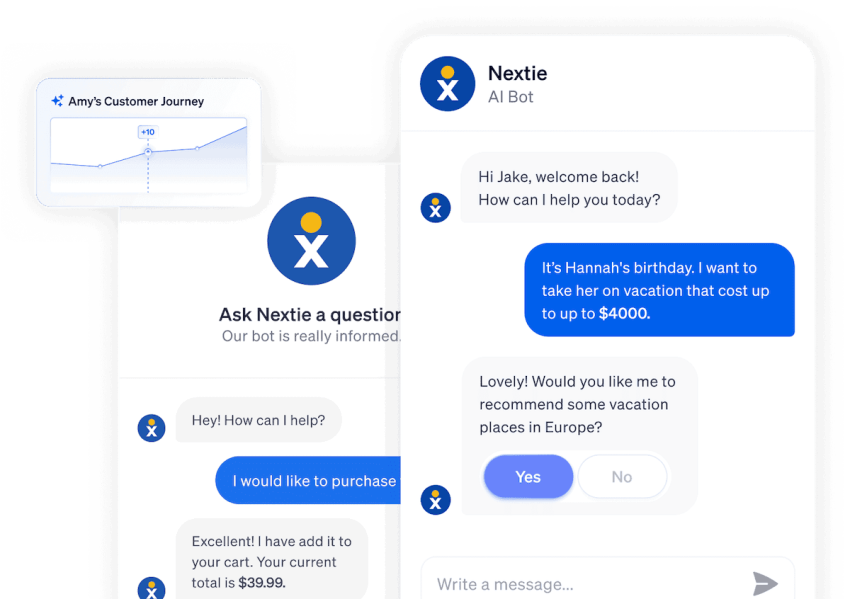
Conversational AI typically sits on your website, phone lines, SMS, or inside your CRM and guides prospects through the first steps of the funnel with human-like conversations, then routes them to human agents when it matters.
A common workflow looks like this:
- Engage: Greets the prospect on the channel they chose (chat, voice, text).
- Capture: Collects basics like name, company, contact info, and reason for reaching out.
- Qualify: Asks a few questions (use case, urgency, budget range, location, decision role) and tags the lead.
- Route: Sends the conversation to the right team or rep based on rules (territory, product line, priority, availability).
- Book or follow up: Schedules a meeting, sends a confirmation, and can trigger reminders.
- Log and summarize: Writes key details back to the CRM (notes, outcomes, next steps) so reps can pick up without starting over.
Conversational AI vs. Chatbots, IVR, and Sales Automation
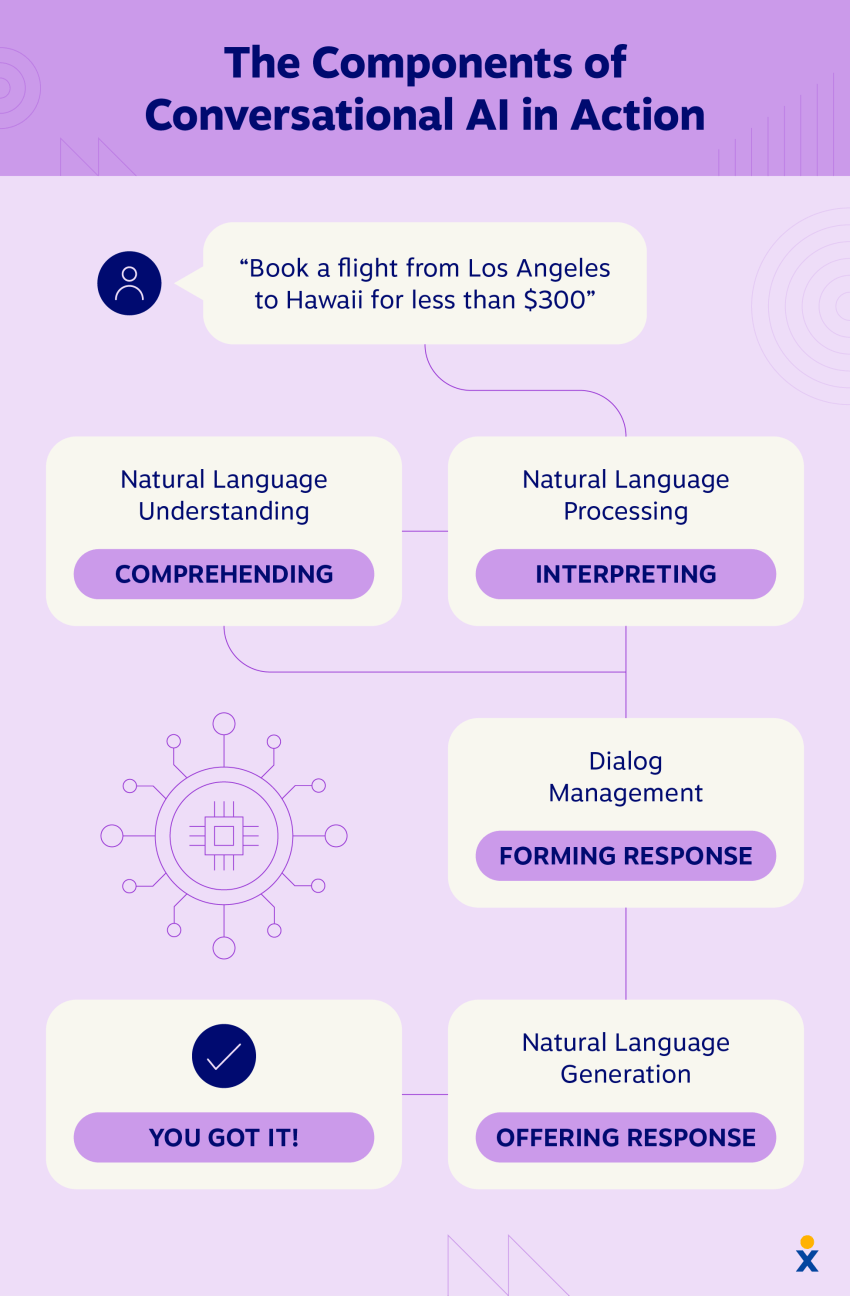
These terms overlap, but they’re not the same:
- Chatbots: Often menu-based and best for simple, scripted routine tasks (FAQs, basic routing). Conversational AI can handle more natural, open-ended questions and follow-ups.
- IVR: Phone menus (“Press 1 for sales”). It’s reliable for routing, but limited when callers don’t fit clean options. Conversational AI can let callers say what they need and route based on intent.
- Sales automation: Tools that run behind the scenes (sequences, lead scoring, CRM workflows). They don’t “talk” to prospects directly, they trigger actions. Conversational AI can pair with automation by capturing info and kicking off those workflows.
A simple way to think about it: Chatbots and IVR handle structured choices, sales automation handles system actions, and conversational AI connects the conversation to the next best sales step.
Inbound vs. Outbound Conversational AI for Sales
Conversational AI works well for both the inbound and outbound sides of a sales team. Here’s a quick overview of what it’s like on both sides.
Inbound AI
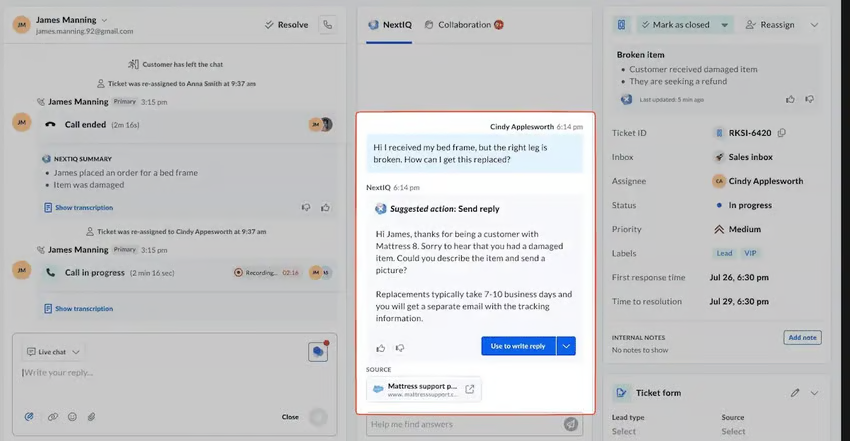
Inbound AI manages customer inquiries, qualifies leads based on set parameters, and helps customers schedule demonstrations. There are even conversational AI products that transform entire websites to make content relevant to visitors who are expecting something specific.
Inbound AI usually works via website chat, voice bots, and SMS, and is activated when a customer triggers it. The conversational AI facilitates the conversation with the customer, aggregating valuable insights that inform subsequent outreach.
This provides sales representatives with sufficient data to reach out methodically. When such platforms are integrated with a CRM, they measure the warmth of a lead based on the conversation and prioritize it when it reaches a certain threshold, typically measured by a score.
Nextiva delivers this functionality seamlessly. It integrates with many popular CRM systems, including Salesforce and HubSpot.
Outbound AI
Outbound conversational AI proactively engages leads and sends follow-ups automatically. It tracks conversations to qualify cold call prospects, making calls more relevant for both prospects and agents.
Outbound AI is usually paired with business systems in the form of email, SMS, or social media bots to automate messaging sequences. It drives pipeline growth and customer engagement for cold and warm leads.
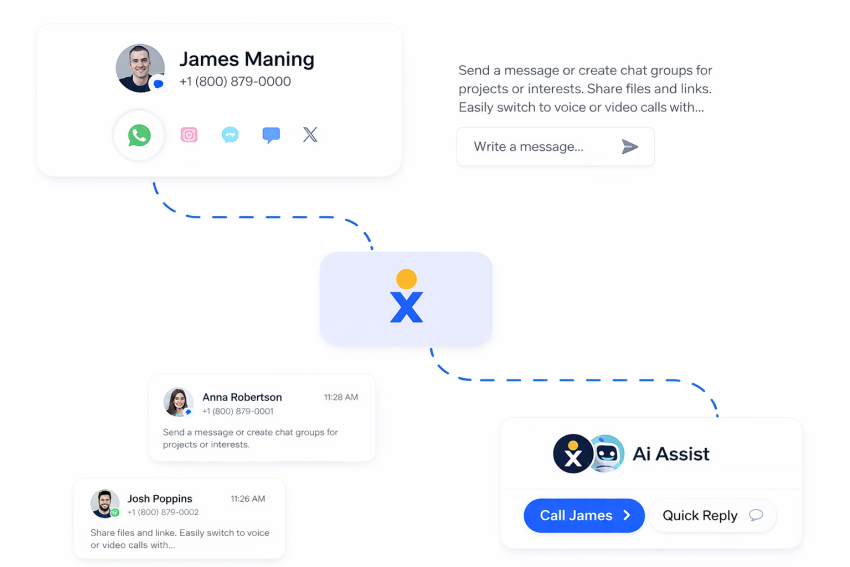
Nextiva blends interactive voice response (IVR) with conversational AI technology for inbound and outbound communication.
Benefits of Conversational AI for Sales Teams
Below are some benefits of conversational AI that make revenue teams more effective and efficient.
Increases pipeline velocity
With conversational AI, the handoff between sales and marketing teams becomes easier and, most importantly, more contextual. Prospects don’t need to wait for hours or days for human agents to follow up; AI engages them and qualifies them in real time.
Once prospects get past the lead qualification stage, AI automatically routes them to the most promising agents on your team. Your responsiveness increases, which improves the chances of closing deals while buyer intent is at its peak.
Scott Sutter, Head of Sales at Helium SEO, experienced conversational AI firsthand in lead generation and management. In a case study, he shares how AI helped his team:
- Filter 90% of unqualified leads, reducing distractions
- Book six meetings, four of them requested proposals, and close one deal
Sutter says, “Not only is AI booking meetings, but it’s also filtering out the noise, letting our team focus on real opportunities. Instead of a rep spending hours manually managing inbound leads, the AI engages, qualifies, routes, and books without human intervention.”
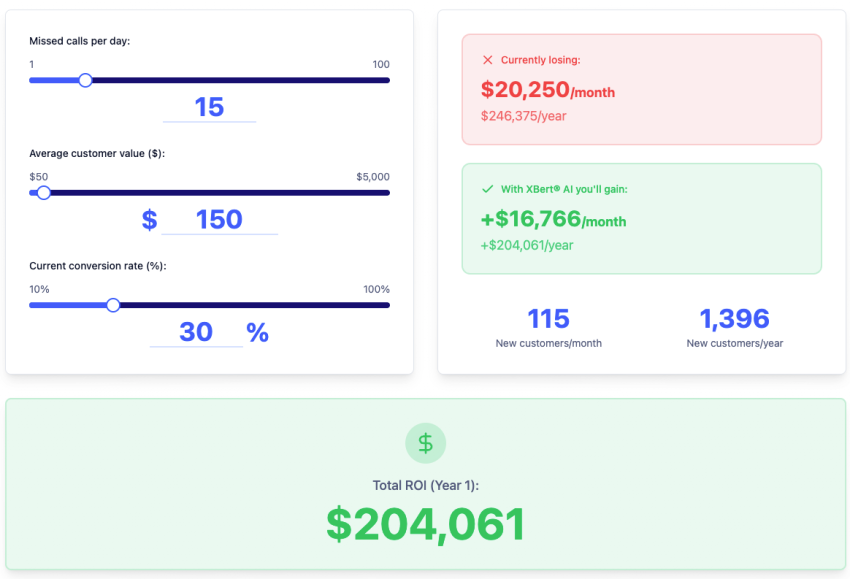
How much revenue are you missing from missed calls?
Missed calls quietly drain revenue every month. Estimate the real cost of unanswered calls with our free calculator.
Enhances rep productivity
As shown above, conversational AI handles some of your agents’ administrative workload. Scheduling meetings and automating CRM data entry on behalf of sales representatives makes your team more effective. Modern technology, such as agentic AI, takes automation further; rather than simply completing redundant tasks, it helps sales teams reach their objectives.
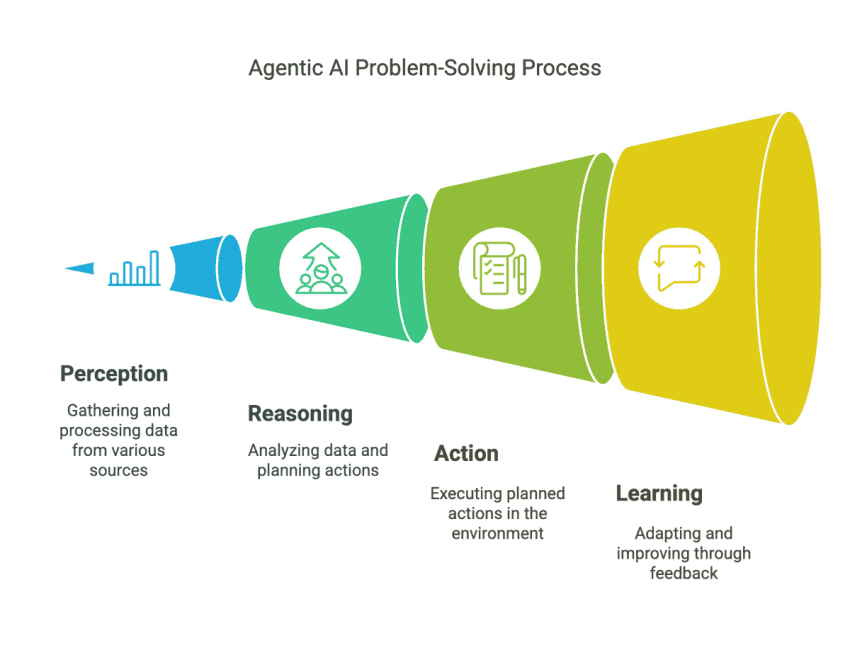
Did you know? Nextiva’s AI-powered solutions are strategically positioned to integrate agentic AI with business systems. They unify channels like chat, phone, and email to deliver seamless support for increased customer satisfaction. Nextiva’s solutions provide ample insights to agentic AI so it can perform tasks with accuracy.
Sales agents get more time to focus on higher-value activities when conversational AI handles manual tasks for them. This empowers them to negotiate better and focus on making sales in the real world rather than sitting in front of a screen.
Supports personalization at scale
Conversational AI connects the dots behind user interactions, behavior, and purchases. It analyzes the “why” that leads to sales, helping businesses tailor their product recommendations and content to match each prospect’s needs. This level of personalized interactions improves engagement and drives more meaningful conversations that convert.
For example, Mastercard’s conversational AI “Shopping Muse” allows consumers to search retail inventories by using phrases like “beach formal” or “dress shirts.” Matthew Driver, Executive Vice President of Services for Asia Pacific at Mastercard, says, “Drawing on behavioral data and contextual cues, the platform delivers hyper-personalized results and deepens customer engagement.”
Improves coaching and training
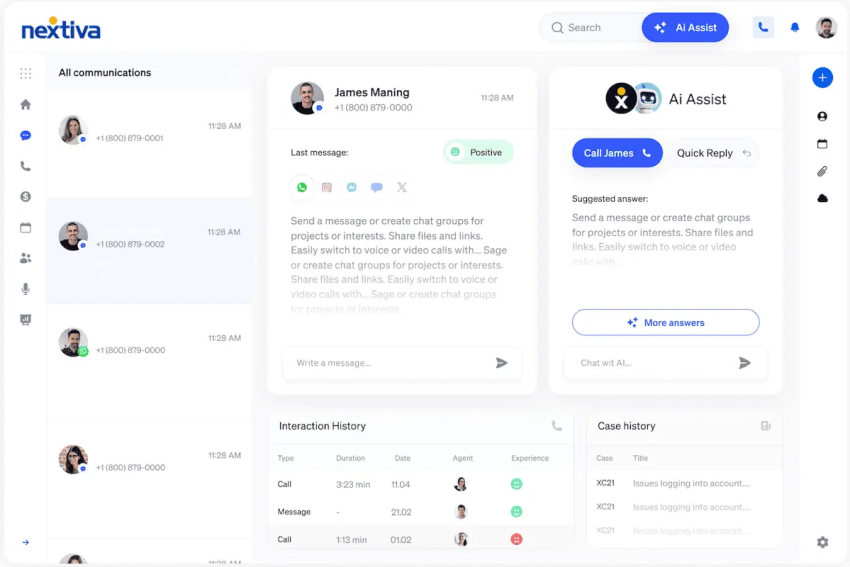
Conversational AI for sales analyzes calls in real time for sentiment, keyword trends, and objection handling. It helps sales leaders notice trends that aren’t immediately obvious. These insights and aggregated data let you deliver targeted feedback and coaching opportunities.
For new reps, it becomes easier to ramp up with features like “Agent Assist.” New sales representatives are supported by real-world data and real-time coaching, enabling them to identify inconsistencies in their approach and make targeted improvements.
Case Study: Learn how Nextiva delivers voice analytics to team leads at DirectBuy, who handle over 30,000 calls per month, to strengthen sales and deliver an A+ customer experience at scale.
Scales engagement
With conversational AI, your sales team isn’t limited by time zone or headcount. A single chatbot or virtual assistant manages thousands of simultaneous sales conversations across platforms like web chat, SMS, and social media.
This increases the efficiency of your sales team, even if you have a small group catering to many customers at a time.
10 Powerful Use Cases of Conversational AI for Sales
Below are some popular use cases of conversational AI among sales teams.
1. Lead qualification
A retail company using Drift reported a 40% increase in qualified leads due to the AI’s ability to engage customers outside of regular business hours. This is crucial for businesses, as it contributes to a bigger pipeline.
Moreover, AI watches prospects’ responses in real time and syncs high-intent leads with your CRM. It allows agents to save time on engaging unqualified prospects and focus more on converting qualified leads.
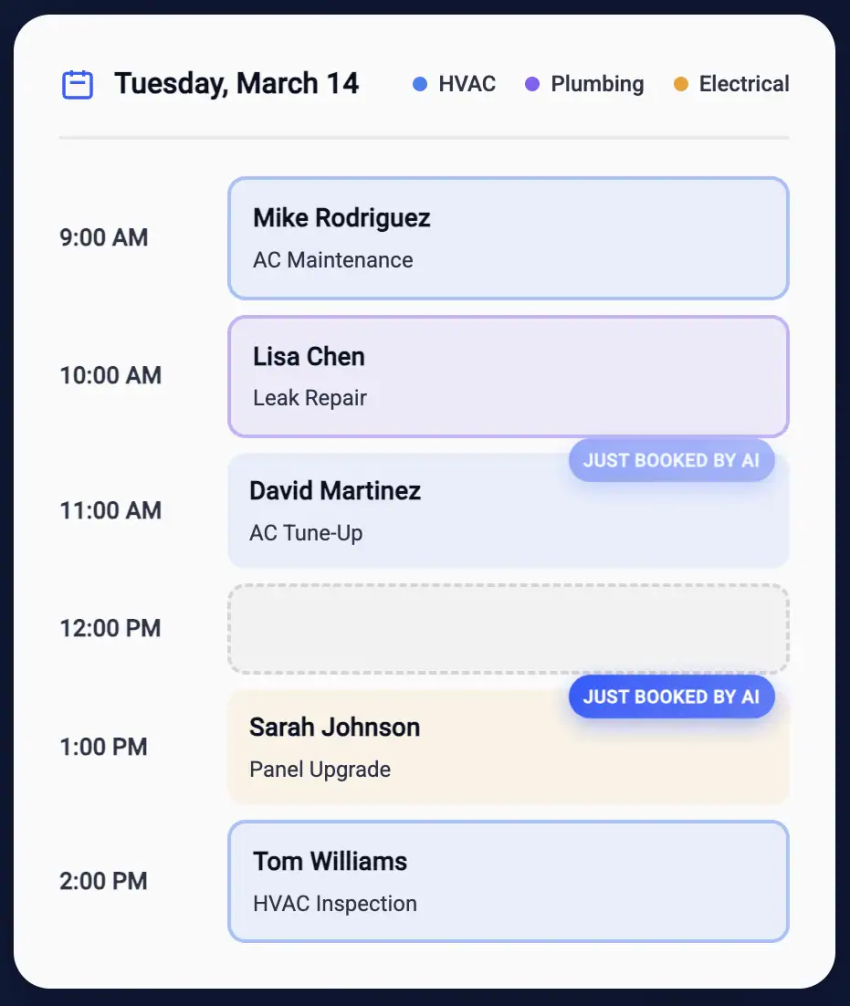
2. Appointment scheduling
This is a task that conversational AI agents easily automate. They integrate directly with sales representatives’ calendars, making it easier to book demos, consultations, or discovery calls and eliminating the slow back-and-forth of emailing.
Conversational AI platforms handle rescheduling and reminders, making it easier for sales professionals to confirm availability and maximize their business hours.
3. Quote configuration
Conversational AI recommends the best-fit pricing tier and product package for each customer’s needs. It takes several factors into account, like company size or use case, to offer suggestions that have closed deals in the past and maximize profitability.
The platform streamlines the quote process while offering tailored suggestions to increase deal sizes.
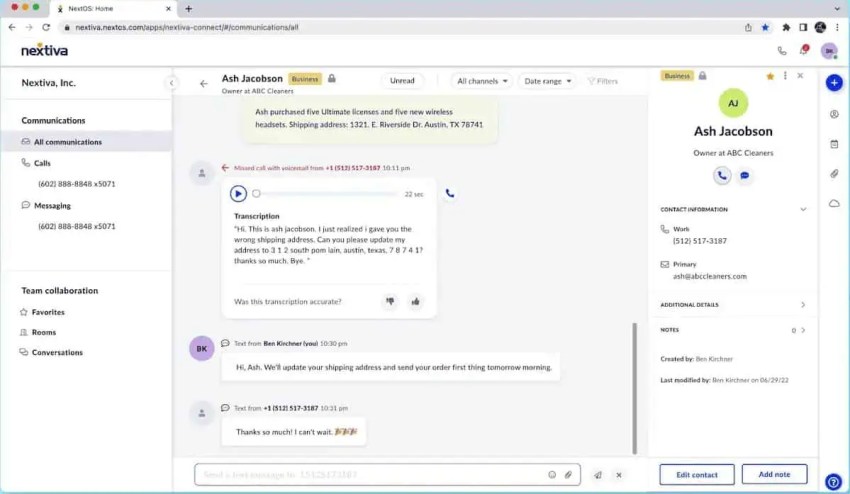
4. Live transcription and post-call summarization
For every sales call, conversational AI tools generate a detailed call summary (if configured). They highlight action items and sync notes with CRMs when integrated. This reduces the administrative workload associated with updating CRMs and allows sales agents to focus on their performance.
Platforms like Nextiva give you complete transcriptions of calls to enable other functionality, such as:
- Enhanced customer interactions: Conversational AI enables agents to scroll through a live transcription of a call, making it easier for them to review and verify what a customer said without requiring them to repeat themselves.
- Easy supervisor intervention: The call’s scorecarding happens in real time. It lets the supervisor monitor calls and intervene if necessary.
- Quick post-call summaries: Summarization enables sales professionals to quickly wrap up post-call activities, such as updating the CRM or setting an action item with a due date. Conversational AI takes care of it all.
5. Voice assistants for sales representatives
Conversational AI delivers CRM pop-ups and a summary of past conversations to keep agents up to date. It highlights customers’ key objections or upsell possibilities observed in communication. With this information, sales reps feel better prepared and more confident when navigating conversations.
Moreover, agents don’t end up re-suggesting possibilities that customers have already objected to in the past.

6. CRM record updates
CRM records get updated automatically through conversational AI. This not only saves time but also keeps CRM data more accurate. All information, like deal stages, pain points, etc., gets updated in real time.
This removes the burden of accuracy from sales agents. Instead, they’re focused on what moves the revenue needle, whether that’s discussing next steps or spreading out questions evenly on a sales call.
Chris Orlob, co-founder and CEO of pClub, shares in a LinkedIn post that “the fastest sales cycles involve the seller spending 53% more time discussing ‘next steps’ on the first two calls.”
Would your sales reps be able to focus on these details when they’re constantly worried about updating different business systems? It’s best to automate what doesn’t help a seller to sell.
7. AI email cadences
Conversational AI and generative AI allow you to create personalized, multistep follow-up sequences based on previous conversations and lifecycle stages. You can run A/B testing on these AI-generated emails for better open and reply rates.
According to Salesforce’s research, around 74% of companies personalize their emails using the recipient’s first name in the message or subject line. However, true personalization goes beyond that. It’s all about making emails contextually relevant and appropriately timed for the recipient.
8. Objection handling prompts
Objections come with several ifs and buts. Not every sales representative is equipped with the knowledge and experience to address them with the consistency that such objections deserve.
Conversational AI coaches agents during live calls and suggests contextual rebuttals and talking points. It’s like a sales coach whispering in your agent’s ear, suggesting the best possible way to navigate customer objections.
9. Call monitoring
The AI system scores sales conversations based on tone, pace, keyword usage, and outcomes. Through continuous learning, the system identifies patterns in trends associated with higher close rates. This makes it easy to replicate winning behavior across the team.
These insights also sync with CRMs to update lead score, encouraging agents to prioritize deals with a higher score. Companies using such tools report a 15% higher win rate and conversion rate in their deals.

10. Sales onboarding bots
With the assistance of conversational AI, new sales reps can learn the sales process and workflows quickly. Whether it’s product FAQs, scripts, CRM flows, or live demo simulations, AI is good at pinpointing issues, and agents get direct feedback on where and how to improve. Agents become well-equipped to ramp up on their own without needing much hand-holding from existing team members.
In a nutshell, conversational AI helps people, processes, and systems work more efficiently, enabling sales representatives to be more effective in their roles.
Below is a quick overview of how conversational AI improves sales pipeline velocity:
- Faster lead response time: Lead qualification, nurturing, and routing happen automatically. This improves meeting booking rates and shortens the time between interest and engagement.
- Data-driven lead prioritization: Leads are prioritized based on their behavior, demographics, and interaction history. Reps know which leads deserve the most attention.
- Less administrative overhead: The busywork of scheduling meetings, logging notes, and managing logistics is handled by AI, leaving less administrative work on agents’ plates.
- Smarter forecasting: Deal progression patterns make it easier to predict revenue. Conversational AI highlights revenue risk and pipeline gaps to empower agents to pursue their targets with precision.
Key Metrics to Track
To measure conversational AI for sales, focus on metrics that show pipeline impact, speed, and quality:
- Speed-to-lead: Time from inbound inquiry to first response (by channel).
- Engagement rate: Percent of prospects who start and complete the conversation.
- Qualification rate: Percent of conversations that meet your lead criteria (MQL/SQL, however you define it).
- Meeting booked rate: Meetings scheduled per conversation (and by source/channel).
- Show rate: Percent of booked meetings that actually happen.
- Handoff success: Percent of transfers to reps that connect without drop-off or repeat questions.
- Pipeline influence: Opportunities created or influenced by AI-assisted conversations.
- Rep time saved: Reduction in admin work (manual note-taking, CRM updates, follow-up tasks).
- Customer experience signal: CSAT (if you collect it) or post-interaction feedback.
If you’ve come this far, you’re likely thinking about implementing conversational AI tools for your sales team. You’ll find different tools on the market that all meet unique requirements. However, it’s advisable to go for an all-in-one AI solution because deploying conversational AI is a workflow change, not a simple software download.
You need a system that integrates with other business software effectively to streamline processes and workflows across all sales and marketing teams. Remember, when a customer reaches out to you, they see you as one company, regardless of whether they’re in touch with the sales, support, success, or service department.
Here are ten conversational AI solutions to consider.
Nextiva
Nextiva delivers a complete communication solution that streamlines workflows across the company. The platform features AI-powered voice assistants, web chat capabilities, CRM integration, and conversation intelligence, all combined into a single, all-in-one solution that unifies communications across your business.
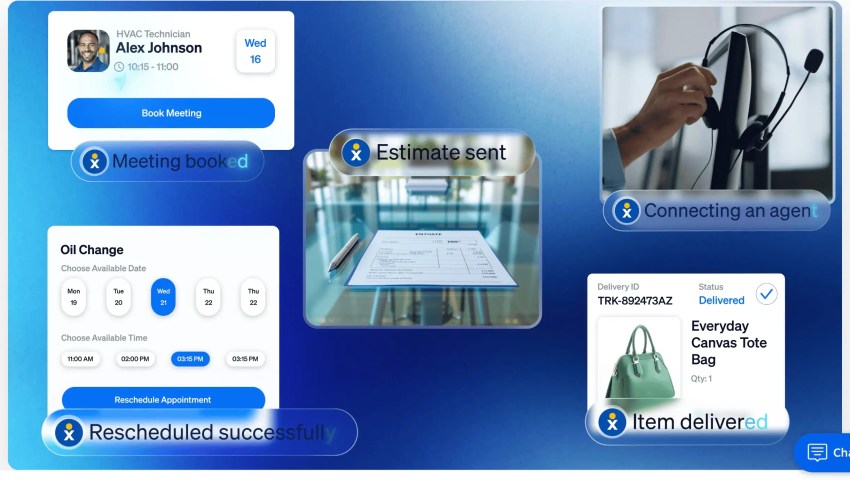
Nextiva’s intelligent virtual assistants deliver a memorable customer experience (CX) across an inbound and outbound omnichannel system. Here are some of its key features:
| Inbound Omnichannel | Outbound Omnichannel |
|---|---|
| FAQs | Campaigns and promotions |
| Appointment scheduling | Appointment reminders |
| Payment collection | Case updates |
| Check balances | Surveys and reviews |
| Password resets | Payment reminders and collections |
| Order and servicing status | Appointment reminders |
| Troubleshooting | Orders |
This is just an overview; there’s a lot about Nextiva that makes Steve Wozniak, Co-founder at Apple, a big fan of the platform.
Regie
Regie equips GTM teams with real-time AI agents that automatically prospect, engage, and qualify leads, turning website visitors into pipeline opportunities. It helps SaaS and enterprise companies scale personalized outreach without overburdening their representatives.
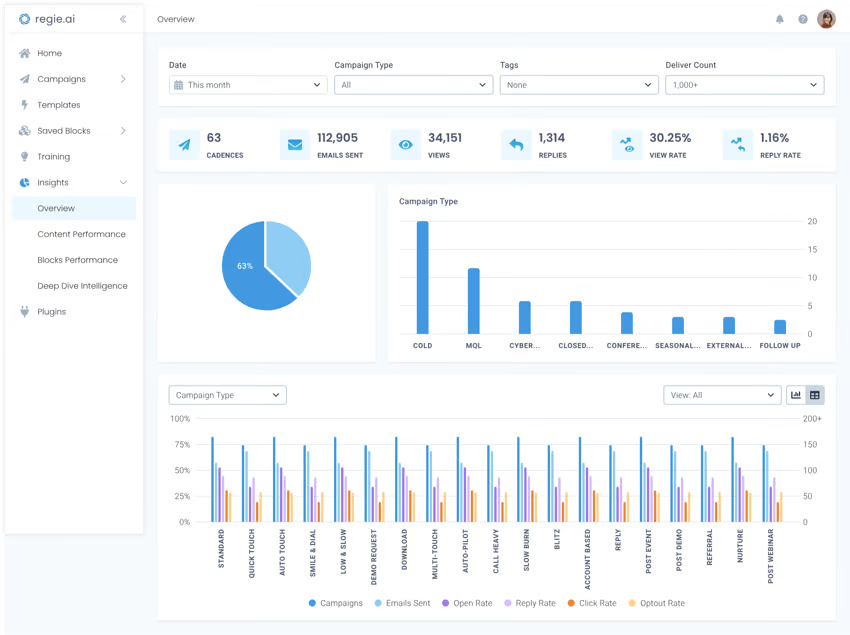
Below are some of the key features of Regie:
- AI support for top-of-funnel prospecting automation
- Real-time outreach using buyer signals to adjust timing and messaging
- CRM integration to sync qualified leads and streamline hand-offs
Gong
Gong offers conversation intelligence that transcribes and analyzes sales calls. The tools identify key trends and deals that are at risk, allowing the team to refine their pitches and improve the overall outcomes of the sales process.
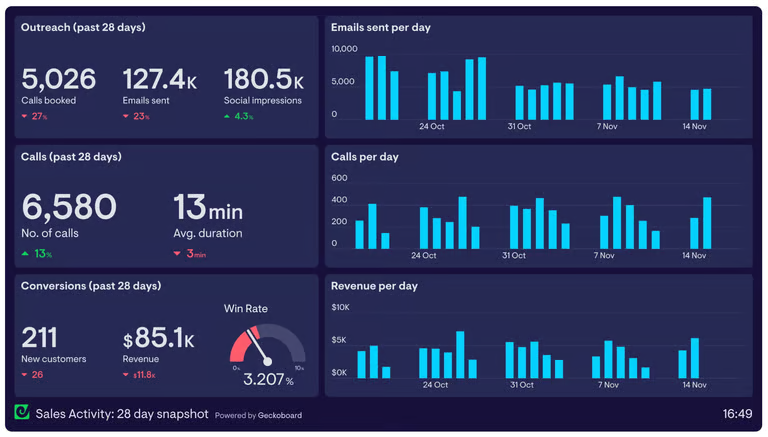
Below are some key features of Gong:
- Auto-records and transcribes all meetings via calendar integration
- Analyzes speech patterns, topics, and sentiment
- Adds generative AI insights to flag trends, risks, and next steps
Conversica
Conversica’s AI agents initiate two-way email, SMS, and chat conversations. They engage, validate, and qualify leads at scale, instantly routing hot prospects to sales reps. Conversica works well alongside the outbound workflow and suits large organizations that need to engage leads at scale.
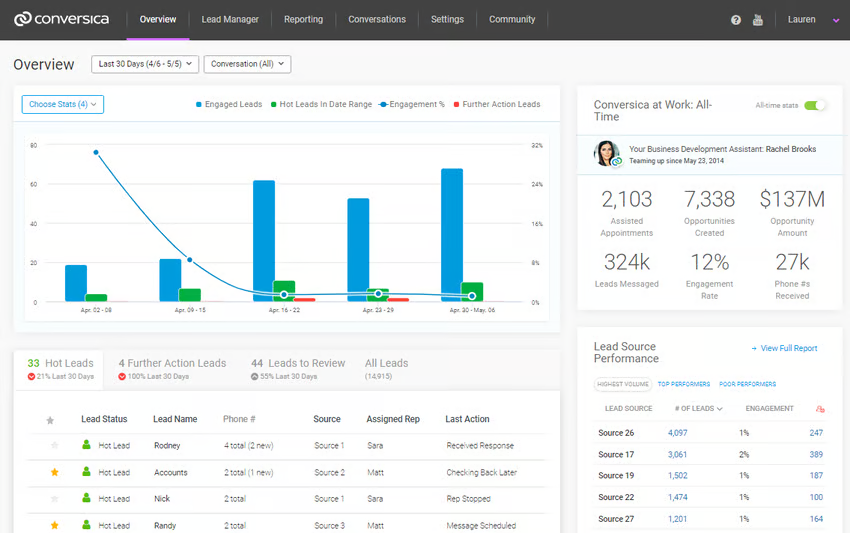
Below are some key features of Conversica:
- Offers revenue digital assistants for persistent, intelligent outreach
- Supports omnichannel and multilingual interactions
- Integrates with CRM systems to enrich customer data and trigger follow-up workflows
Exceed.ai
Exceed.ai automates lead qualification and follow-ups via email, chat, and SMS. It’s designed for mid-sized teams and focuses on volume-driven campaigns to nurture and book meetings autonomously.
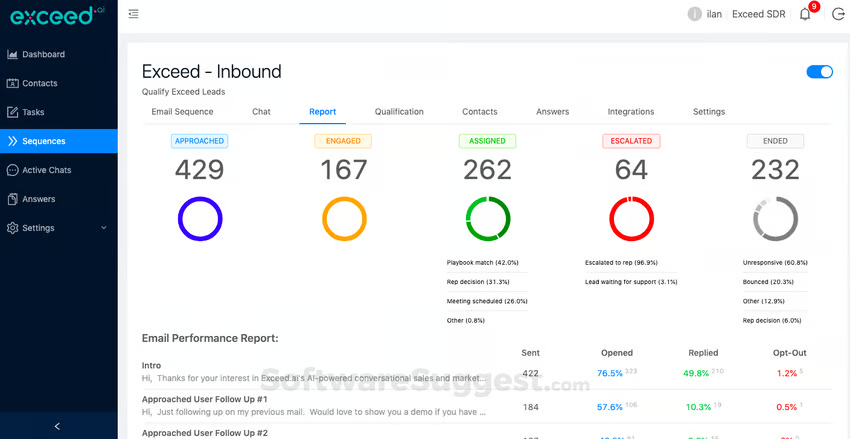
Below are some key features of Exceed.ai:
- Offers 24/7, two-way outreach with conversational AI
- Qualifies leads through scripted questions and user intent parsing
- Schedules meetings and syncs them with rep calendars
- Reduces acquisition costs and increases qualified leads per rep
Salesforce Einstein
Einstein AI is embedded in Salesforce to predict the success of leads and opportunities using historical customer data and machine learning. It empowers teams with AI-powered scoring and personalized insights for engagement.
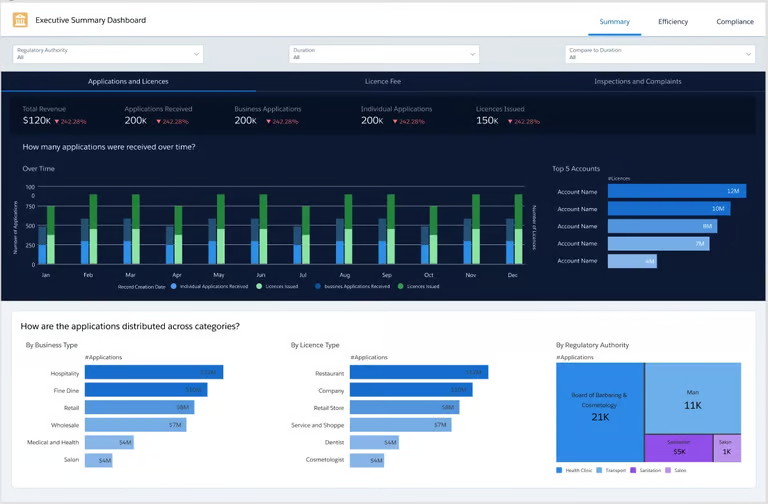
Below are some key features of Salesforce Einstein:
- Predictive lead scoring based on conversion patterns
- Opportunity scoring to prioritize high-potential deals
- Near real-time retraining using customer data
JustCall AI
JustCall AI adds conversation intelligence and coaching to a cloud telephony platform. It offers real-time insights during calls, post-call analytics, and AI-driven follow-ups — ideal for environments that rely heavily on phone calls.
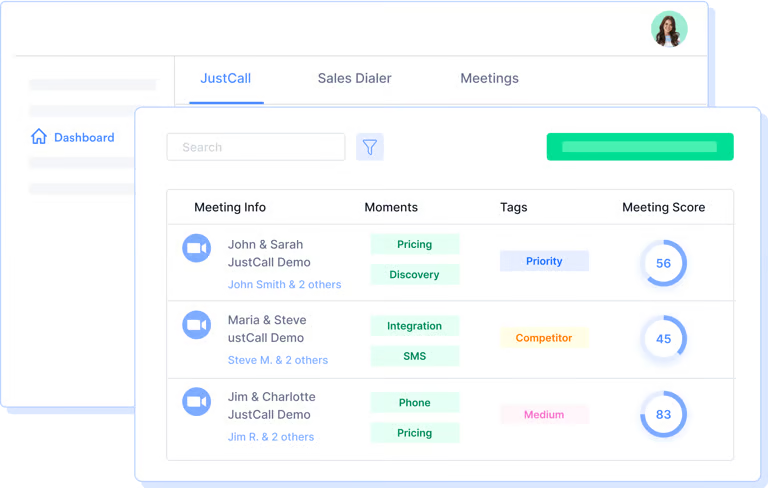
Below are some key features of JustCall AI:
- Live agent toassist with real-time prompts and sentiment analysis
- Call scoring, moment detection, and transcript analysis
- Automated post-call follow-ups and CRM syncing
- Agent training through personalized feedback and coaching dashboards
Risks and Best Practices
Conversational AI can help sales teams move faster, but only if it’s controlled and measurable. Let’s take a look at common risks you may face, and best practices for avoiding them.
Common risks
- Misqualification or misrouting: Sending leads to the wrong team or marking good leads as low priority.
- Inconsistent messaging: Replies that don’t match your product positioning or sales process.
- Poor handoffs: Prospects repeating information or dropping during transfers.
- Data and compliance issues: Collecting sensitive details without proper handling or consent (especially in regulated industries).
Best practices
- Define clear handoff rules: Escalate to a rep for high-intent leads, complex questions, pricing requests, or objections.
- Keep questions short and purposeful: Ask only what you need to route and schedule; save deeper discovery for reps.
- Standardize your definitions: Align what “qualified,” “meeting booked,” and “handoff success” mean across teams.
- Review transcripts regularly: Use them to refine prompts, remove friction, and update FAQs based on real buyer language.
- Set guardrails for claims: Control what the system can and can’t promise (pricing, availability, legal/security topics).
- Monitor performance by channel: Track drop-offs and conversion rates separately for voice, chat, and SMS.
Nextiva: Built for Sales Teams
Nextiva offers the necessary tools to drive conversational sales and improve customer satisfaction. It combines natural language processing, artificial intelligence, machine learning, AI chat, voice bots, CRM data, and analytics in one place for efficient sales workflows. Agents get real-time help during calls and chats to push deals through the pipeline without delays, increasing their sales velocity.
The platform accommodates all your business’ requirements, whether you run a five-person team or a 500-person department. It’s an all-in-one platform for omnichannel sales and support, ensuring that customers experience the best of your product or service regardless of where they are in the customer journey.
Your AI receptionist that never misses a call.
XBert is your AI answering service that handles calls, texts, and chats 24/7. It greets customers, books appointments, and captures leads while your business grows.
[ad_2]
Source link


