
Table of Contents
[ad_1]
Universities disclosed billions in foreign funding, more colleges expanded tuition-free programs, lawmakers warned of rising private student loan reliance, and one small private university confirmed it will shut its doors. Meanwhile, states are experimenting with solutions, from paid internship pipelines to mandatory financial literacy education.
Here’s a quick look at the most important stories shaping higher education and student finances this week for February 13, 2026.
🎓 Headlines at a Glance
- U.S. colleges report $5.2 billion in foreign funding disclosures.
- The number of tuition-free college programs continues to grow.
- Lawmakers warn tighter federal loan limits could drive private borrowing.
- Lourdes University announces it will close.
- Virginia relaunches a paid internship program for college students.
- Mississippi advances a financial literacy requirement for high schoolers.

1. U.S. Universities Report $5.2 Billion in Foreign Funding
The Department of Education launched a new website to track foreign funding in higher education.
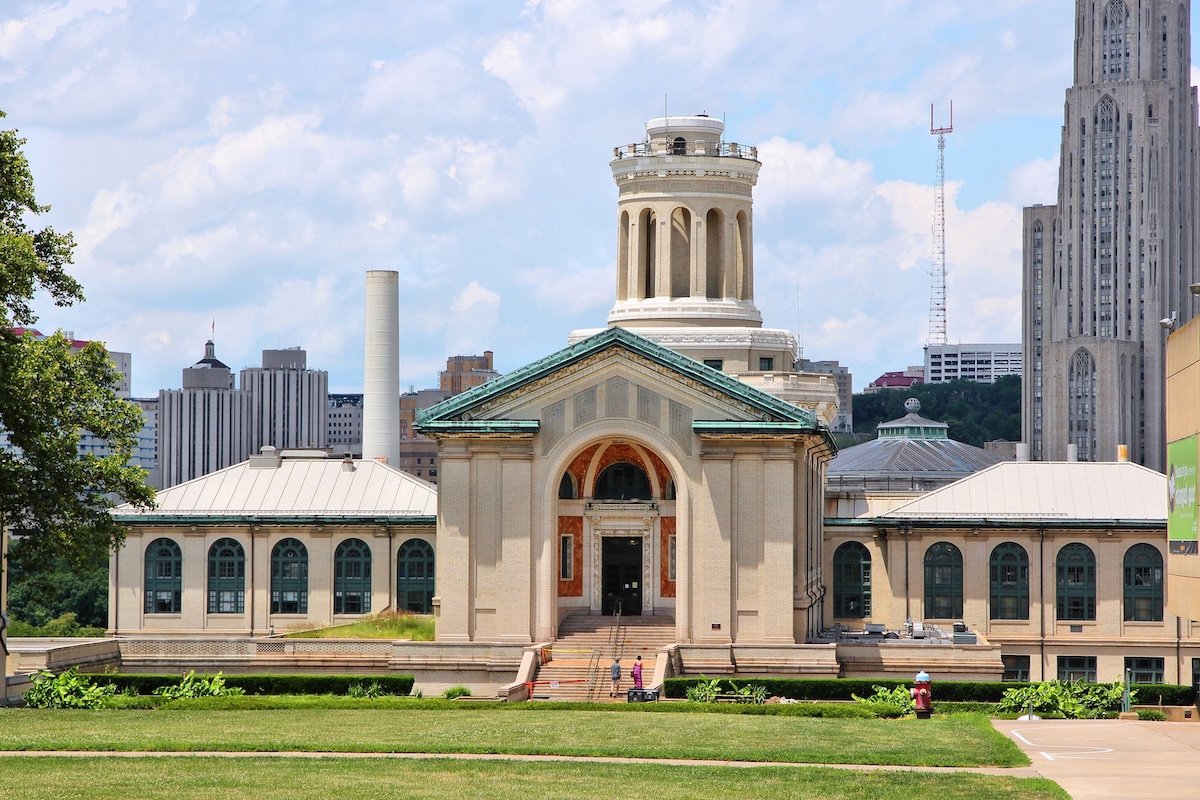
Colleges across the country disclosed more than $5.2 billion in foreign gifts and contracts under federal transparency requirements. Institutions including Harvard University, Carnegie Mellon University, and Massachusetts Institute of Technology reported significant international funding streams.

The disclosures come amid heightened scrutiny over foreign influence, national security concerns, and transparency in higher education financing.
➡️ Impact: Foreign funding plays a major role in research budgets and institutional finances. Changes in oversight or restrictions could affect research programs, graduate funding, and even tuition decisions over time.
2. Free Tuition Programs Continue to Expand
A growing number of colleges are offering tuition-free pathways for low- and middle-income students. Nearly 1,000 tuition-free programs now operate across dozens of states, spanning community colleges, public universities, and some private institutions.
These programs typically cover tuition but may not include housing, fees, or living costs. Many do require FAFSA completion and have income thresholds.
➡️ Impact: Tuition-free does not mean cost-free, but it can dramatically reduce student loan borrowing. Families should carefully compare net price, not just sticker price, when evaluating these offers.
3. Lawmakers Warn of Rising Private Student Loan Demand
Senate Democrats released a report (PDF File) warning that new federal student loan borrowing caps could push more students toward private student loans. As limits tighten on graduate and parent borrowing under recent reforms, private lenders are expected to see increased demand.
Private loans typically carry higher interest rates and fewer borrower protections than federal loans.
➡️ Impact: Borrowers filling gaps with private loans should understand repayment terms, cosigner requirements, and the lack of income-driven repayment options. However, some private lenders are now even offering income-driven repayment.
4. Lourdes University Announces Closure
Lourdes University, a small private Catholic institution in Ohio, confirmed it will close at the end of the academic year, citing financial instability and enrollment challenges.
Students are being offered transfer support, but closures often result in disrupted degree timelines and additional financial strain.
➡️ Impact: College closures are a reminder that institutional financial health matters. Students should review enrollment trends, financial stability indicators, and accreditation status before committing. At least 16 colleges closed in 2025, and that number is expected to rise in the coming years.
5. Virginia Relaunches Paid Internship Program
Virginia relaunched its statewide internship initiative (InternshipsVA), connecting college students with paid work opportunities across public and private sectors. The program aims to strengthen workforce pipelines while helping students earn income during school. This was one of Spanberger’s campaign promises.
➡️ Impact: Paid internships can offset living costs, reduce borrowing, and improve post-graduation employment outcomes.
6. Mississippi Advances Financial Literacy Bill
Mississippi lawmakers advanced a bill requiring stronger financial literacy education for students, covering topics such as budgeting, credit, saving, and responsible borrowing. The bill would make students complete a financial literacy class as a high school graduation requirement.
If enacted, the policy would aim to equip students with better tools before they take on student loans or other forms of debt.
➡️ Impact: Financial literacy education directly influences long-term outcomes — including how students borrow for college and manage repayment afterward. Over 28 states currently have similar requirements.
Related Reading:
[ad_2]
Source link


