
217
Urgent: South Africa’s Draft Hunting Quotas Threaten Rhinos, Elephants & Leopards—Your Voice Is Needed! – World Animal News

Table of Contents
[ad_1]
South Africa has published draft export quotas that would allow trophy hunting and international trade of elephants, black rhinos, and leopards, a move that threatens some of the country’s most iconic wildlife. The Department of Forestry, Fisheries and the Environment (DFFE) released the proposals for public comment, but they are not yet law.
Under the draft quotas, up to 300 elephant tusks could be exported, taken from 150 individual elephants. African elephants are classified as vulnerable in South Africa, and their populations are carefully monitored. Experts warn that killing elephants for their tusks or for sport fuels the illegal wildlife trade and undermines critical efforts to protect these majestic creatures.
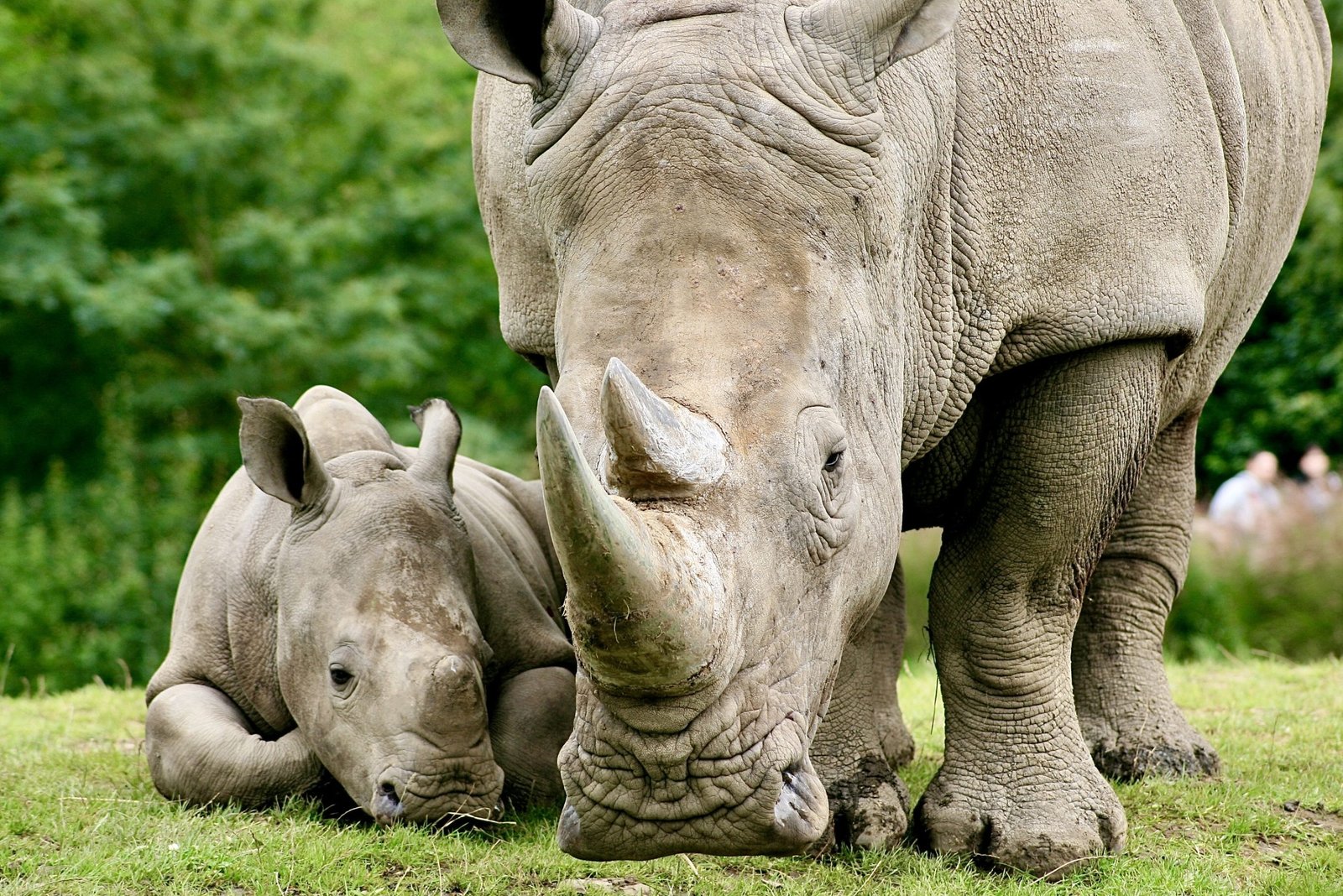
The proposals also allow the export of 12 black rhino hunting trophies. Black rhinos are critically endangered, with populations recovering slowly after decades of poaching. Conservationists caution that permitting any lethal take for trophy hunting could jeopardize years of hard-won recovery and put already fragile populations at further risk.
For leopards, the draft quotas propose 11 hunting trophies, limited to one animal per designated hunting zone. Leopards in South Africa are considered near threatened, and their survival is already challenged by habitat loss, human-wildlife conflict, and poaching. Trophy hunting adds an unnecessary threat to a species that plays a vital role in ecosystem balance and biodiversity.
Non-lethal wildlife tourism and conservation generate far greater economic benefits for South Africa than trophy hunting. Safaris, nature tourism, and eco-tourism bring in billions of rand annually and support an estimated 1.8 million jobs. In contrast, revenue from trophy hunting accounts for only a small fraction of total tourism income. Studies also show that individual elephants, rhinos, and leopards generate far more economic value alive than through one-time hunting fees. Protecting these vital species supports local communities, strengthens the national economy, and safeguards the environment for future generations.
With public consultation now open, South Africans, conservationists, and wildlife advocates around the world have a critical opportunity to speak out against these proposed quotas. The country can choose to prioritize protection over profit, ensuring that elephants, black rhinos, and leopards continue to thrive in the wild.
Take Action to Protect South Africa’s Wildlife:
You have a chance to speak out against these draft hunting quotas and help protect elephants, black rhinos, and leopards. Members of the public are invited to submit written comments or objections within 30 days of the Government Gazette publication regarding the proposed export quotas for 2026 and 2027.
You can send your submissions:
By mail:
Department of Forestry, Fisheries and the Environment
The Director-General
Attention: Ms Olga Kumalo
Private Bag X 447
PRETORIA 0001
In person:
Reception, Environment House
473 Steve Biko Road, Arcadia, PRETORIA
By e-mail:
[email protected]
Read the full notice in the Government Gazette HERE!
Act Now! These majestic animals cannot speak for themselves. Your voice can protect South Africa’s iconic wildlife for generations to come.
[ad_2]
Source link


