
Table of Contents
[ad_1]
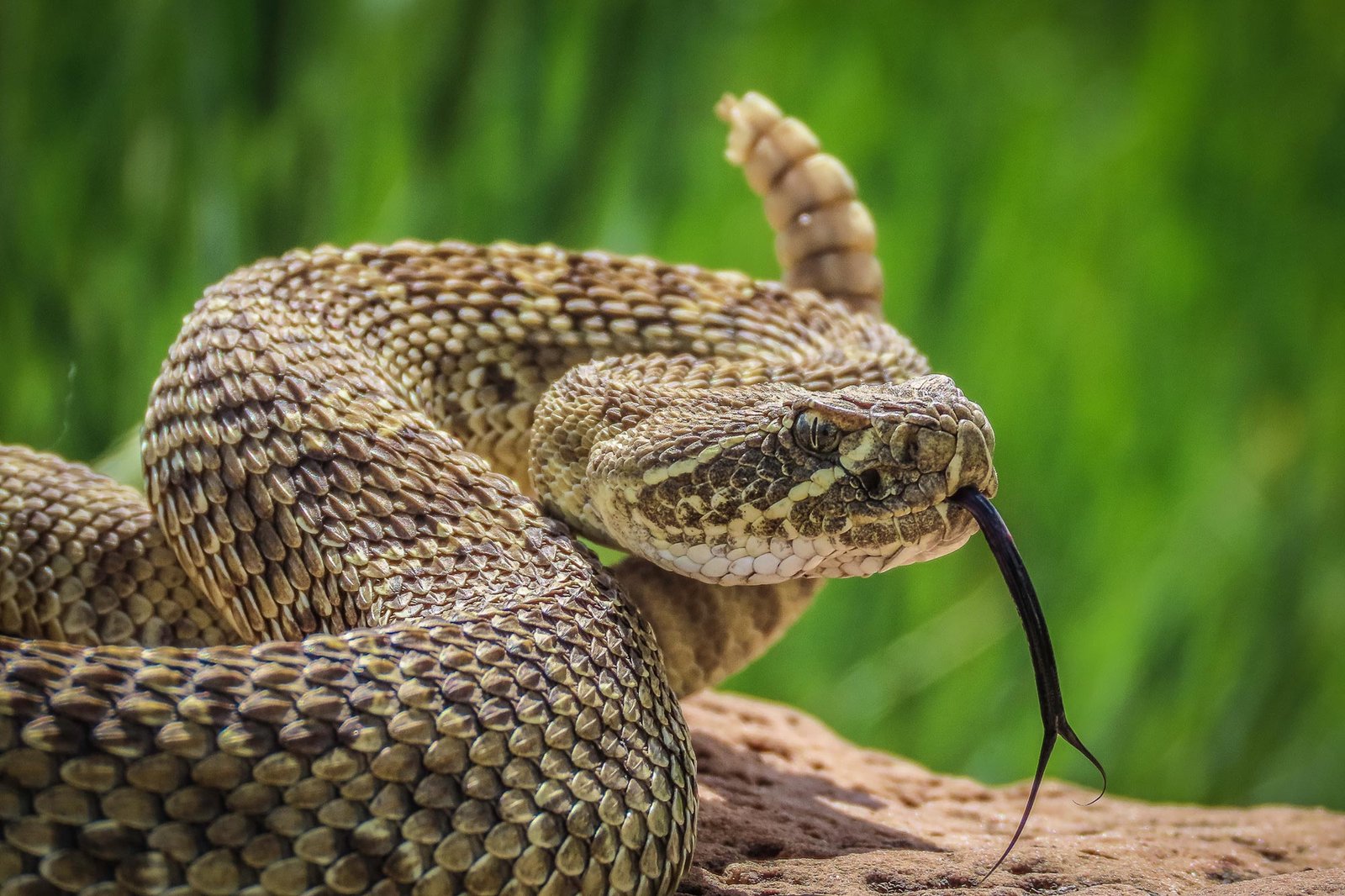
A widely repeated belief about baby rattlesnakes is being challenged by new research.
A new study from Loma Linda University found that bites from baby rattlesnakes are less dangerous than bites from adults, challenging a long-standing myth that says the opposite. The research also traces where that belief came from, how it spread, and how common it remains.
The study rejects the idea that baby rattlesnakes cannot control their venom and always inject all of it when they bite. Researchers said this false belief has led “to negative consequences, including misinformed risk‐taking by those encountering snakes, unwarranted fear among snakebite victims, and inappropriate care delivered by misinformed or patient/family‐pressured medical professionals.”
“This is an easily defanged myth that has generated dread, panic, and real-life consequences,” said William Hayes, professor of biology at Loma Linda University School of Medicine and the study’s lead researcher. “Ample evidence demonstrates that baby rattlers, like adults, can control their venom expulsion, the adults possess and deliver far more venom when biting, and the adults cause substantially more severe symptoms in snakebite victims.”
A Persistent Myth With Real-World Consequences
Hayes said a bite from a baby rattlesnake is still a medical emergency and requires immediate treatment. He added that antivenom is the only effective treatment.
The study was published in the journal Toxins.
“Misconceptions about rattlesnakes create unnecessary fear and frequently result in people harming or killing them,” the study stated. “Rattlesnakes occupy an important role in the ecosystems they dwell in and in recent years their populations have dropped significantly in many parts of the United States.”
The researchers found that the myth was already appearing in news coverage by 1967. California media played a major role in spreading it from the 1970s through the 1990s, and from 2000 through 2014 it was repeated by news outlets across North America. Although the myth still appears today, including in some well-respected sources cited in the study, the researchers said news coverage has become more accurate since 2015, suggesting that better messaging has helped counter the false claim.
Survey Results Show the Myth Remains Widespread
The researchers said much of the misinformation came from inaccurate quotes in news stories attributed to health care workers and emergency responders, including firefighters, police officers, and other rescue personnel. By comparison, quotes from subject experts, especially university professors, were more likely to be accurate.
Hayes said the false belief remains widespread. At the time of data collection, 53% of surveyed students in Southern California believed it was true, along with 73% of emergency responders and health professionals.
“We’re hoping to get the word out so that we can get this myth corrected,” Hayes said. “There’s no need for hikers to have unwarranted fear of baby rattlesnakes or to think they need to harm or kill the snakes. We also don’t want physicians or veterinarians to succumb to pressure from patients and families who insist on excessive medication after a bite from a baby rattlesnake.”
Reference: “Are Baby Rattlesnakes More Dangerous than Adults? Origin, Transmission, and Prevalence of a Media-Driven Myth, with Evidence of Effective Messaging to Dispel It” by William K. Hayes and M. Cale Morris, 13 March 2026, Toxins.
DOI: 10.3390/toxins18030144
Never miss a breakthrough: Join the SciTechDaily newsletter.
Follow us on Google and Google News.
[ad_2]
Source link


