
[ad_1]
After years of careful preparation and testing, NASA is finally about to send a crew of astronauts to circle the Moon.
The Artemis II mission will mark the first time humans have visited the Moon since the Apollo program ended in 1972 – a major milestone toward setting foot on the lunar surface once again. The four astronauts could also set a new record for the farthest humans have ever traveled from Earth.
“Fifty-three years ago, humanity left the Moon and did not return. Now we go back,” NASA associate administrator Amit Kshatriya said in a press conference.
“This challenge of expanding the frontier will be won … by the craftsmen, the engineers, and the industries of free nations, building together what no nation can build alone. And for all the children watching that are going to watch Artemis II, you need to hear us. An optimistic vision of the future is not naive. It is buildable.”
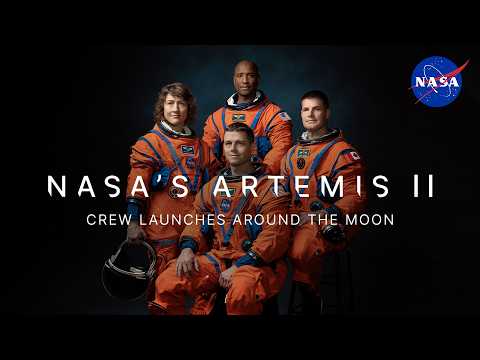
You can watch the launch live via the YouTube embed below:
 frameborder=”0″ allow=”accelerometer; autoplay; clipboard-write; encrypted-media; gyroscope; picture-in-picture; web-share” referrerpolicy=”strict-origin-when-cross-origin” allowfullscreen>
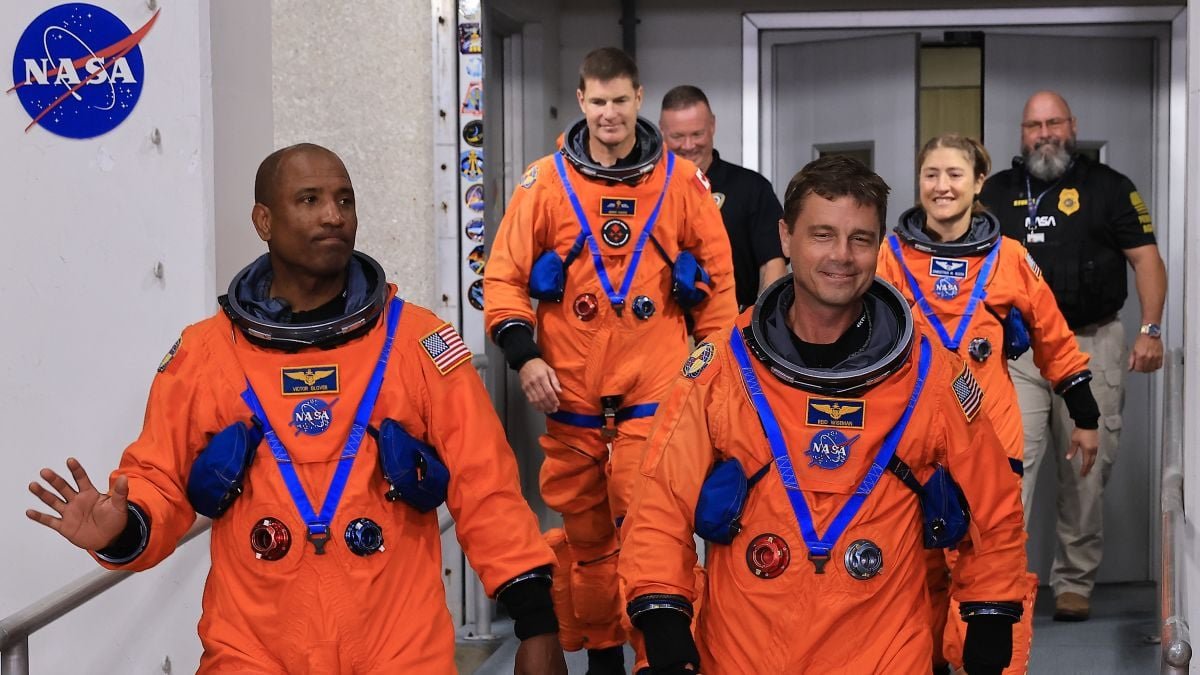
Liftoff is scheduled for 22:24 UTC (6:24 pm EDT) on Wednesday, 1 April 2026, sending mission commander Reid Wiseman, pilot Victor Glover, and mission specialists Christina Koch and Jeremy Hansen on a 10-day circuit of the Moon in the Orion spacecraft. It will be the first time a crew has traveled beyond low-Earth orbit since the Apollo era.
The test flight will be the first crewed liftoff of NASA’s Space Launch System (SLS) rocket and the Orion module. The primary aim of the mission is to assess how Orion works in real conditions, including life support, navigation, and communications systems – it’s basically a dress rehearsal for a future Moon landing mission.
Artemis I, the first mission of the program, was an uncrewed practice run to iron out as many kinks as possible before putting humans in the spacecraft – carefully laying the stepping stones that will carry humanity back to the Moon.
I’ve never come close to understanding orbital mechanics
What a fascinating trip home for Orion
(Great share @thePrimalSpace) pic.twitter.com/nZmvx2hLrF
— Chris Combs (iterative design enjoyer) (@DrChrisCombs) November 22, 2022
Artemis II, the next stepping stone, has experienced some delays – its initial February launch date was postponed due to a liquid hydrogen leak, and then pushed back further due to a helium flow problem.
Other issues can prevent a rocket launch – if weather conditions are unsafe, for example. However, it looks like it’s finally all systems go for Artemis II.

“All of our planned work is complete. Launch countdown preps are complete,” launch director Charlie Blackwell-Thompson said. “All indications are right now we are in excellent, excellent shape as we get into count.”
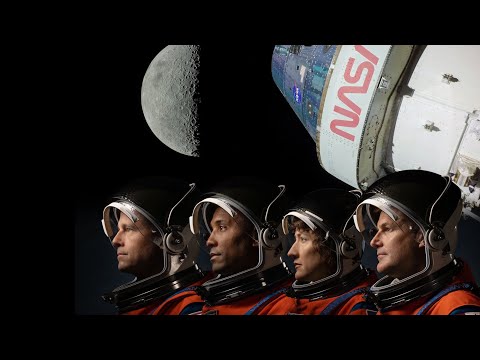
During the mission, when Orion loops behind the Moon on April 6, the crew is expected to travel farther from Earth than any humans in history, surpassing the record of 400,171 kilometers (248,655 miles) set by Apollo 13.
 frameborder=”0″ allow=”accelerometer; autoplay; clipboard-write; encrypted-media; gyroscope; picture-in-picture; web-share” referrerpolicy=”strict-origin-when-cross-origin” allowfullscreen>
“This is the opportunity… to send our crew farther than anyone has gone before,” said chief flight director Emily Nelson.
In addition to testing the spacecraft, the mission will also provide insight into how astronauts operate in deep space for extended periods, including communication delays and navigation far beyond the low-Earth orbit occupied by the International Space Station.
Related: NASA’s First Moon Crew in More Than 50 Years Is Making History Already
The next stage, Artemis III, is currently scheduled for 2027. It will take place closer to Earth, launching crew in the Orion module on the SLS rocket to low Earth orbit to test rendezvous and docking procedures with commercial spacecraft intended for future lunar landing operations.
The fourth stage of the program, Artemis IV, is currently targeted for early 2028. NASA says the mission will aim for a crewed landing near the Moon’s south pole, where astronauts would conduct science observations and collect samples.
Those future missions hinge on Artemis II, a new demonstration of the ability to send humans to the Moon and bring them safely home again.
“It’s an incredible moment for the Artemis generation and we’re excited and we are ready to press,” Nelson said.
[ad_2]
Source link


