
[ad_1]
Key Points
- The U.S. Air Force opens market research for remanufacture of the B-2 Receiver Countermeasure with an estimated requirement of four to 24 units.
- The notice was published April 10 with responses due April 17 through DLA Aviation and Tinker Air Force Base.
The U.S. Air Force has begun early market research for the remanufacture of a key defensive electronic warfare component used on the B-2 Spirit stealth bomber.
A sources sought notice published April 10 by DLA Aviation in Oklahoma City identifies the requirement as the B-2 Receiver Countermeasure. Responses are due by April 17, making this an initial step in the acquisition process rather than a contract award.
At this stage, the Air Force is looking for qualified companies that can restore unserviceable units to working condition. The notice is intended to help determine the best path for a future procurement and assess whether enough approved suppliers, including small businesses, are available to support the requirement. The component itself is part of the B-2’s onboard self-protection suite. While the stealth bomber is known for its low-observable design, it also relies on internal electronic systems that help detect hostile radar activity and other threats during missions.
– ADVERTISEMENT – CONTINUE READING BELOW –
The receiver countermeasure functions as part of the aircraft’s warning system. It helps the bomber recognize when enemy radars are searching for or locking onto the aircraft, allowing the crew and onboard systems to respond appropriately while operating in defended airspace.
The work described in the notice covers far more than a simple repair. Contractors must be able to disassemble, clean, inspect, reassemble, test, preserve, and package the units so they can be returned to service.
Potential vendors may also need to manage supply chain support, production forecasting, long-lead component sourcing, logistics planning, and shipment of completed units back into the Air Force sustainment network.
The Air Force estimates a requirement of four to 24 units, a figure that offers a rare look into the sustainment needs tied to one of the service’s most tightly controlled aircraft fleets. Given the relatively small number of B-2 bombers in service, that range suggests the focus is on maintaining a pool of operational spare units and ensuring continued support for the fleet’s defensive systems.
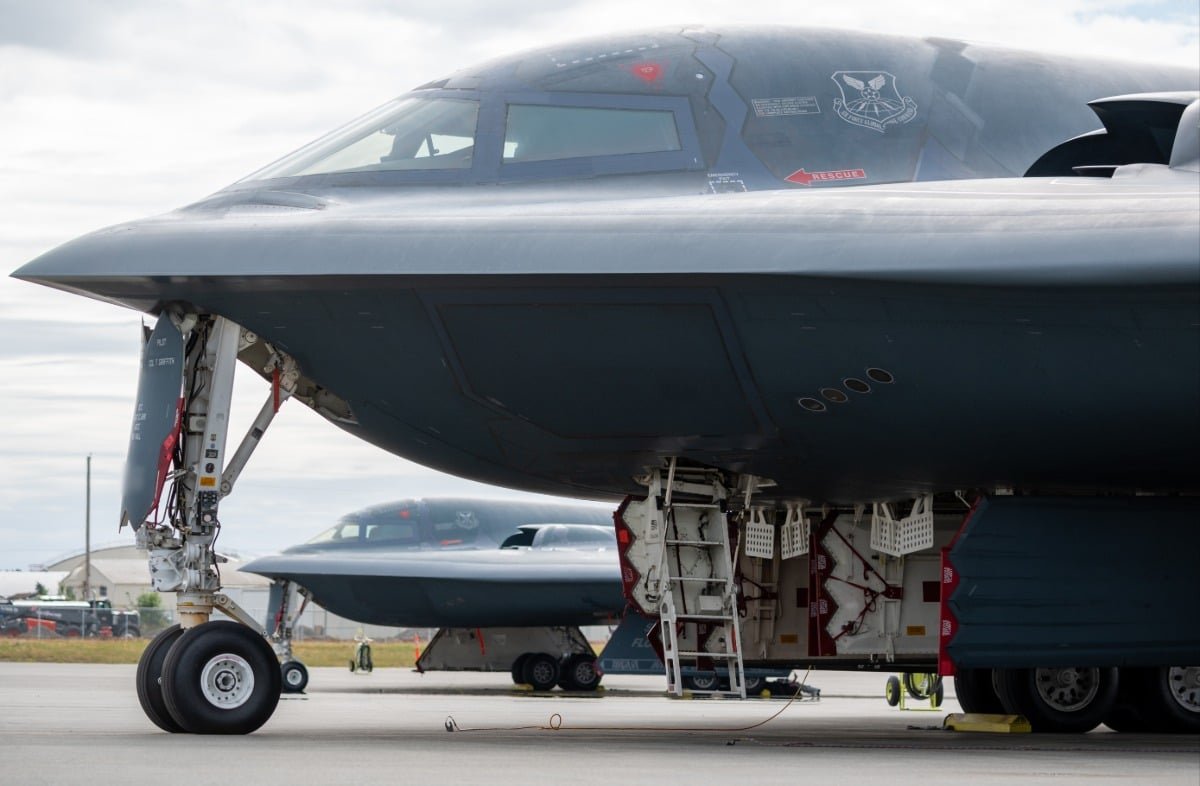
The B-2 Spirit remains central to the U.S. long-range strike mission. Built to penetrate heavily defended airspace, it combines stealth shaping with onboard electronic warfare systems that help it survive in contested environments.
[ad_2]
Source link


