
Table of Contents
[ad_1]
A good training treat does more than taste nice. It tells your dog, in the clearest language possible, that something just went right. The right reward can speed up a recall, break a stubborn bad habit, and build a stronger bond between you and your pet. For first-time Indian dog parents, training treats are often the quickest and kindest way to teach new skills at home.
But not every treat suits every training moment. Some situations call for high-value rewards. Others work better with low-calorie, everyday motivators. This guide walks through the best training treats for Indian pet parents, when to use each type, and how to turn treats into real behaviour change without overfeeding your dog. By the end, you will know exactly what to stock in your training pouch.
Why Treats Work in Dog Training
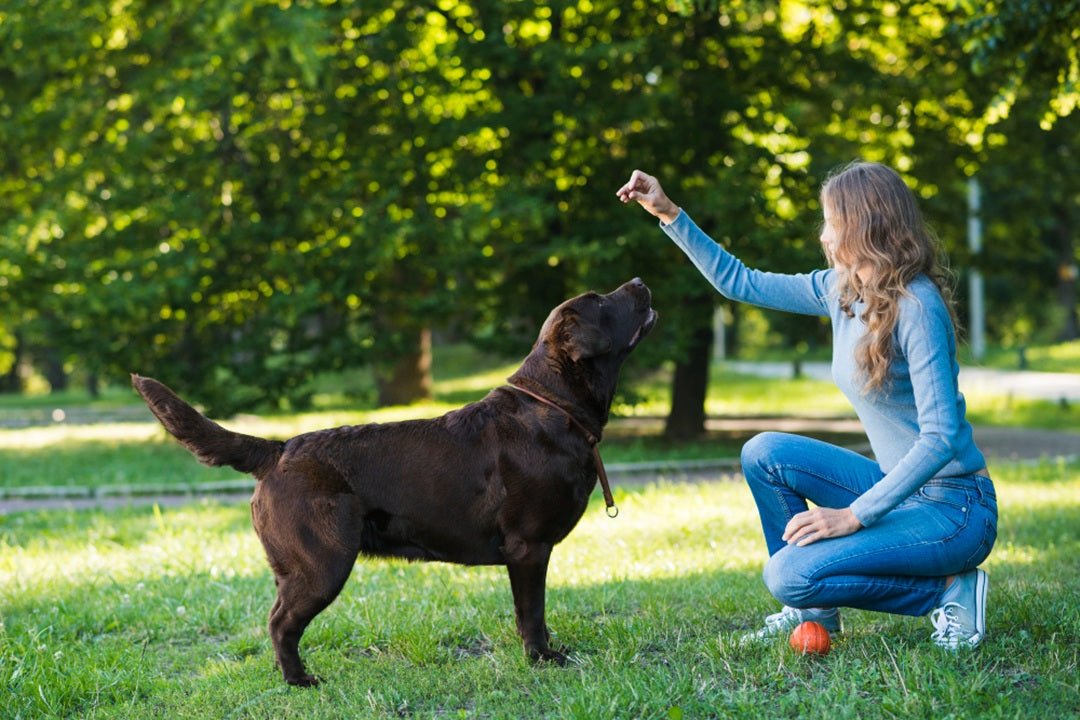
Treats work because dogs are wired to repeat behaviours that pay off. When your dog sits and immediately gets something delicious, their brain links that action with a positive outcome. The next time you say sit, the response is faster, keener, and more focused.
This is called positive reinforcement, and it is the most effective and humane training method available. The American Kennel Club notes that reward-based training builds trust, reduces fear, and produces longer-lasting results than punishment-based approaches. Positive methods also work better for fearful, shy, or rescue dogs, which are common among Indian adopters.
Treats sharpen timing too. A quick reward delivered within two to three seconds of the right behaviour helps your dog understand exactly what worked. Verbal praise alone often arrives too late or too softly for a puppy to notice. A tiny bite of something tasty cuts through distractions instantly, even in a busy Indian park or a noisy society compound.
The goal is not to bribe your dog forever. It is to teach behaviours quickly at the start, then fade treats gradually as skills become habits.
What Makes a Great Training Treat
Training treats are different from regular treats. They serve a specific purpose, so they need specific qualities:
-
Small: Pea-sized pieces your dog can swallow in one second, so training flow stays smooth
-
Soft: Easy to chew and eat quickly, especially for puppies and senior dogs
-
Smelly: Strong aroma grabs attention even in distracting environments
-
Low calorie: Training sessions may involve 30 to 50 treats, so calories add up fast
-
Easy to portion: Treats you can break or tear by hand without a knife or scissors
-
Non crumbly: Avoid treats that turn into powder in your pocket or training pouch
-
Shelf stable: Holds up well in Indian humidity during outdoor sessions
A good rule: if your dog stops mid-task to look around while chewing, the treat is too complex or too large. Training treats should disappear fast and leave your dog hungry for the next repetition.
Types of Training Treats
Think of training treats in three tiers based on how valuable they are to your dog.
High-Value Treats
These are the big guns. Use them for tough behaviours, new skills, or high-distraction environments like parks, streets, and vet clinics.
-
Chicken jerky: single-ingredient meat strips, intensely flavourful and easy to tear
-
Freeze-dried liver or chicken: ultra-aromatic, lightweight, and long lasting in the pouch
-
Small cheese cubes: loved by most dogs, use sparingly due to dairy content
-
Boiled chicken breast: homemade, lean, and universally appealing
-
Soft meat training bites: moist, chewy, packed with real protein
Medium-Value Treats
Ideal for reinforcing known commands in calm environments like your home, garden, or a familiar park.
-
Soft training biscuits with real meat: easy to break into pea-sized pieces
-
Cooked egg bits: affordable, protein rich, and easy to carry
-
Dehydrated fish cubes: omega-3 boost and great flavour for skin and coat health
-
Puppy training treats: softer, smaller, lower-calorie formulas made for growing dogs
Low-Value / Everyday Treats
These work well for repetition training, calm-down rewards, and low-energy moments around the house.
-
Kibble pieces: use your dog’s regular food as reward to prevent overfeeding
-
Plain oat biscuits: crunchy but low calorie and easy to find
-
Frozen carrot pieces: cold, crunchy, and nearly calorie free. A summer favourite.
-
Apple slices without seeds: sweet and tooth-friendly when cut small
Rotate across the three tiers to keep training exciting. Reserve high-value treats for breakthrough moments so they always feel special. Use low-value treats for everyday sits and stays at home.
How to Use Training Treats Effectively
A treat is only as useful as the way you deliver it.
-
Timing: Reward within two seconds of the desired behaviour. Late rewards confuse dogs.
-
Portion: Pea-sized pieces, always. Big treats slow training and add calories fast.
-
Pouch ready: Keep treats in a training pouch at hip level for quick, one-handed access.
-
Mix rewards: Combine treats with praise, petting, and toys to prevent treat dependency.
-
Fade gradually: As behaviours become reliable, reward every second or third repetition instead of every time.
-
Match calories: Keep total treats within 10 percent of your dog’s daily food intake.
For long training sessions, break one jerky strip into 10 to 15 tiny pieces. You will spend less, feed less, and still get the same motivation. Short, frequent sessions of 5 to 10 minutes also work better than one long session because dogs stay sharper and more engaged. Always end on a win.
Common Mistakes to Avoid
Training treats can backfire when used carelessly.
-
Too big: Large treats slow training and fill dogs up too quickly
-
Too predictable: Using the same treat for everything reduces motivation over time
-
Wrong timing: Reward immediately after the behaviour, not during or before the action
-
Overfeeding: Cutting back meals instead of treat portions throws off nutrition
-
Toxic ingredients: Skip anything with xylitol, chocolate, raisins, grapes, or onion powder
According to the ASPCA, many common human foods are toxic to dogs. Always read the label carefully, especially on imported or bulk treats, and stick with dog-specific brands when possible.
FAQs
What are the best training treats for puppies?
Soft, small, low-calorie treats work best for puppies. Good options include soft puppy training bites, boiled chicken cubes, small cheese pieces in moderation, and freeze-dried liver. Avoid hard biscuits until adult teeth come in fully, usually around six to seven months of age. Match treat size to your puppy’s mouth.
How many treats can I give during a training session?
Keep total treat calories within 10 percent of your dog’s daily food intake. For a medium-sized dog, that usually means 20 to 40 pea-sized pieces per day. If you train often, break bigger treats into multiple tiny pieces instead of feeding whole ones.
Can I use regular dog food as training treats?
Yes, absolutely. Using kibble from your dog’s regular food is a smart way to train without overfeeding. For high-distraction situations, top up with a high-value treat like jerky or freeze-dried meat to keep your dog’s attention locked in.
What are healthy homemade training treats?
Boiled chicken, diced lean mutton, scrambled egg bits, small cheese cubes, and baked oat-and-ragi mini biscuits all work well. Cook plain, without salt, oil, or spices, and store in the refrigerator during Indian summers. Homemade training treats are affordable, fresh, and easy to portion.
Do training treats cause weight gain in dogs?
Only when overused. Stick to the 10 percent rule and keep each treat pea-sized. Pair treat rewards with active walks, brain games, and regular play to keep your dog lean and fit. If your dog starts gaining weight, reduce treat sizes or switch to lower-calorie options like frozen carrots.
Final Thoughts
The right training treat turns everyday commands into fun wins for your dog. Match the treat to the moment, keep portions small, and rotate flavours to maintain motivation. Pair treats with praise and affection, and fade them gradually as behaviours become reliable. Consistency, not quantity, drives real results.
Browse PetsWorld’s dog treats and chews collection for training-friendly options that suit your pet’s age, size, and taste preferences.
[ad_2]
Source link


