
Table of Contents
[ad_1]


—
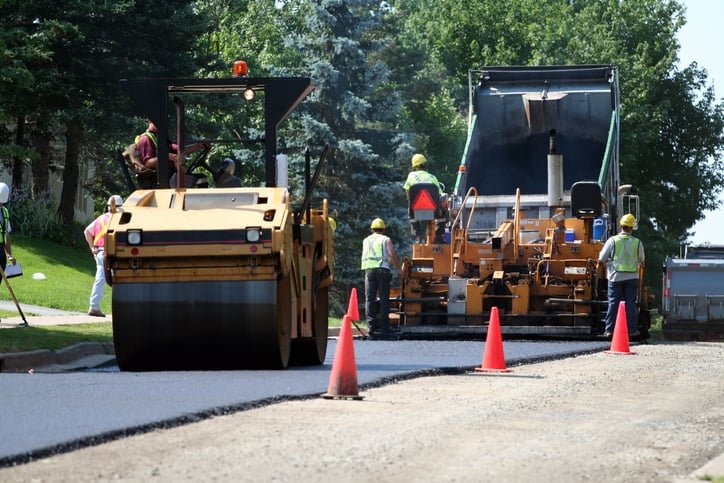
Commercial paving choices affect daily operations for years ahead. Property owners need surfaces that handle heavy use without constant trouble. Asphalt paving delivers strong performance across many important areas. It offers excellent durability and quick setup times.
Businesses benefit from lower costs and better safety too. Smart decisions here protect budgets and improve property value. Owners who choose wisely enjoy smooth traffic flow every day. Asphalt paving stands out as the practical favorite for commercial sites.
An experienced commercial asphalt paving contractor brings valuable expertise to every project. They understand local conditions and design custom solutions. Their knowledge helps avoid common mistakes during planning. Many properties achieve better results with professional guidance from the start.
Key Advantages of Asphalt Paving for Commercial Properties
Asphalt paving meets the real demands of busy commercial sites. It combines strength with practical benefits that save time and money. Property managers appreciate these features in daily use.
Durability Built for Commercial Traffic
Heavy vehicles roll across parking lots every single day. Asphalt paving flexes slightly under pressure instead of cracking. This flexibility prevents major damage from repeated loads. Strong base layers support thousands of daily passes. Well-designed asphalt surfaces last many years, even in busy zones. Asphalt durability handles delivery trucks without constant repairs.
Cost-Effectiveness Over the Long Term
Initial installation costs stay lower than many alternatives. Asphalt paving spreads expenses evenly across its full lifespan. Repairs stay simple and affordable when needed. Total ownership costs drop significantly over ten to twenty years. Cost-effectiveness makes it attractive for budget-conscious owners. Savings grow larger with proper care over time.
Fast Installation and Reduced Business Downtime
New paving work finishes quickly with modern equipment. Crews complete large areas in just a few days. Businesses resume normal operations much sooner than with slower materials. Fast installation limits lost revenue during construction. Customers face minimal disruption throughout the project timeline.
Low Maintenance Requirements
Routine care keeps asphalt surfaces in excellent condition. Simple sealcoating protects against sun and water damage. Low maintenance means fewer headaches for property teams. Regular sweeping removes debris that causes wear. These easy steps extend surface life without high expenses.
Safety Advantages for Businesses and Visitors
Smooth asphalt surfaces reduce trip hazards for pedestrians. Good traction helps vehicles stop safely in wet weather. Clear line striping improves visibility during the day and night. Safety advantages protect customers and staff members alike. Proper drainage prevents dangerous standing water after rain.
Aesthetic and Curb Appeal Benefits
Fresh asphalt paving creates a clean, professional appearance. Dark surfaces highlight bright line markings beautifully. Property managers enjoy enhanced curb appeal that attracts tenants. Well-maintained lots make strong first impressions on visitors. Regular sealcoating keeps the look fresh for years.
Eco-Friendly and Sustainable Material Choice
Asphalt paving uses high percentages of recycled materials. Old pavement gets milled and reused in new projects. This process reduces landfill waste significantly. Sustainable paving options continue to improve each year. Modern mixtures also lower energy use during production.
Budgeting and Long-Term Value for Property Owners
Asphalt paving supports smart financial planning over the long term. Predictable costs help create accurate long-term budgets. Long-term value grows through extended service life. Owners protect their investment while controlling expenses. This balance delivers excellent returns for commercial properties.
Asphalt vs Other Commercial Paving Materials
Different paving options exist for commercial projects. Direct comparisons show why asphalt paving often wins. It balances performance with practical daily advantages.
Asphalt vs Concrete: Key Differences
Concrete stays rigid and can develop cracks over time. Asphalt paving flexes with temperature changes instead. This movement reduces stress on the surface layer. Repairs on asphalt are quicker and less expensive. Concrete needs longer curing periods before use.
Performance Comparison in Heavy Traffic Areas
Heavy trucks test any surface daily in loading zones. Asphalt paving distributes weight more evenly across the base. It resists fatigue cracking better than rigid materials. Heavy traffic performance remains strong even after many years. Delivery areas stay functional without frequent closures.
Cost and Maintenance Comparison Over Time
Concrete may appear cheaper at first glance in some bids. Yet total costs rise higher due to repair complexity. Asphalt paving offers lower lifetime expenses overall. Cost-effectiveness becomes clear after five to ten years. Maintenance stays simpler throughout the entire service period.
Installation Time and Operational Disruption Differences
Concrete projects require extended curing before traffic resumes. Asphalt paving allows use within hours after cooling. Installation time stays much shorter in most cases. Businesses lose fewer operating hours during construction. This difference reduces the financial impact dramatically.
Common Misconceptions About Asphalt Paving
Several myths surround asphalt paving choices for commercial sites. Clearing these misunderstandings helps owners decide confidently. Facts show the true picture clearly.
- Many believe asphalt paving lacks enough strength for business use. Modern mixtures handle heavy commercial loads without trouble. Proper design ensures excellent performance for decades.
- Others think asphalt requires frequent repairs. Routine sealcoating actually prevents most major issues. Simple care keeps surfaces strong year after year.
- Some claim asphalt paving looks cheap or unprofessional. Fresh installations create modern appearances. Sealcoating maintains an attractive dark color consistently.
- A common worry involves poor performance in extreme weather. Quality asphalt paving withstands heat and cold cycles well. Flexible nature prevents cracking during temperature swings.
Finally, people question the environmental impact of large projects. Recycled content makes asphalt paving highly sustainable. Many new mixes contain over fifty percent reclaimed materials.
Conclusion
Asphalt paving continues to serve commercial properties better than alternatives. It delivers superior durability with excellent cost-effectiveness. Quick installation and low maintenance add practical value daily. Safety features and strong curb appeal impress visitors consistently. Sustainable options make it environmentally responsible too.
Property owners gain reliable long-term performance at reasonable costs. Working with a qualified commercial asphalt paving contractor ensures optimal design and execution. Make the smart choice today. Your commercial property will benefit for many successful years ahead.
FAQs
How long does commercial asphalt typically last?
Commercial asphalt usually lasts fifteen to twenty-five years. Proper maintenance extends this lifespan even further. Heavy traffic areas may need earlier attention. Regular sealcoating protects the surface effectively. Quality installation plays a major role in total durability.
Is asphalt cheaper than concrete for large commercial areas?
Asphalt paving costs less both initially and over time. Installation expenses stay lower for big lots. Maintenance remains simpler throughout the years. Total ownership costs favor asphalt paving clearly. Many properties save thousands with this choice.
How often should asphalt be sealcoated in commercial properties?
Apply the first sealcoat within twelve months of installation. Then repeat every two to three years. This schedule protects against oxidation and water damage. Consistent sealcoating programs extend surface life dramatically. Professional crews complete the work efficiently.
Can asphalt handle heavy trucks and delivery traffic?
Yes, modern asphalt paving supports heavy truck loads well. Strong base layers distribute weight evenly. Flexible material resists cracking from repeated stress. Heavy traffic performance stays reliable for many years. Proper thickness ensures excellent results in busy zones.
—
This content is brought to you by IQNewswire
iStockPhoto
[ad_2]
Source link


