
[ad_1]
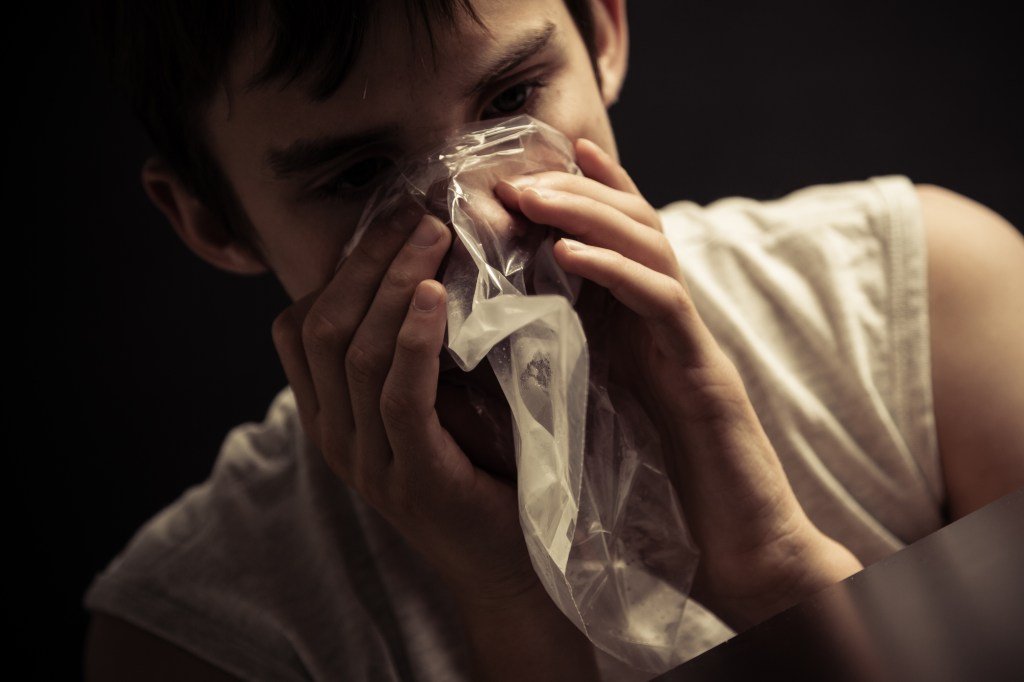
When parents think about substance use, the focus tends to be on vaping, alcohol, and weed. But new research suggests there’s another category that hasn’t disappeared, it’s just less talked about, and that’s the misuse of inhalants.
A recent study published in Preventive Medicine takes a closer look at inhalant misuse among adolescents in the United States, using nationally representative data from the National Survey on Drug Use and Health (NSDUH) from 2021 to 2023. And while it’s not widespread, it’s persistent, and more concentrated among younger teens than parents might expect.

Related story
Why Teen ‘Promposals’ Are Now for Friends, Too: ‘Open Displays of Platonic Love’
The study found that about 2.2% of adolescents ages 12 to 17 reported using inhalants in the past year, with smaller percentages reporting more recent use. (For context. about 5.9% of adolescents vape.)
While that number may seem low — and is, when compared to broader substance use trends —researchers emphasize that this doesn’t make inhalant use insignificant. Even at lower prevalence rates, it represents a measurable and ongoing form of substance misuse among teens, and it’s one that continues to show up in national data. In other words, “huffing” hasn’t gone away.
Findings In the Data
One of the clearest patterns in the research is age. The study found that younger adolescents are more likely to report inhalant use than older teens, distinguishing it from many other substances that tend to increase with age. This suggests to us that inhalants may be part of earlier-stage experimentation, happening at a point when kids are just beginning to navigate independence, peer dynamics, and risk-taking behaviors.
It makes sense. Adolescence is a period marked by rapid cognitive and social change, where trying new experiences (and many times without fully understanding the consequences) is part of the process — whether we parents like it or not.
Unlike substances that require access through purchases, inhalants are often described in research as more opportunistic. While the study doesn’t focus on specific products, other sources consider the following items used for “huffing”: aerosol cans, paint thinner, or glue, all of which can be easily found in most homes and, when inhaled, can produce chemical vapors capable of giving psychoactive effects.
The data also notes that inhalant misuse is associated with a range of behavioral and demographic factors. It doesn’t occur in isolation. Like other forms of substance use, it tends to intersect with broader patterns in adolescent health and behavior.
The study goes a step further by looking not just at use, but at inhalant use disorder — something that just a fraction of adolescents studied meet the criteria for. Such a diagnosis means that repeated use is accompanied by impairment or distress. Basically, while some teens may experiment, researchers found a smaller group who inhaled more regularly, and an even smaller group who developed more serious patterns.
Again, while the number of teens inhaling substances in this study was relatively low, it’s important to know the signs of huffing, which may include chemical odors on breath or clothing, paint stains on face or clothes, hidden or empty spray-paint cans, dazed appearance, slurred speech, nausea or vomiting, or lack of coordination, according to the National Institute on Drug Abuse. Also according to NIDA, such inhalant use also comes with frightening risks, including mental health disorders, brain damage, and heart strain that can be fatal.
Bottom line: while this study doesn’t suggest a widespread crisis, inhalant use among adolescents hasn’t disappeared. It tends to start younger, and it exists within a broader landscape of adolescent risk-taking and development. Consider this an FYI.
[ad_2]
Source link


