
Table of Contents
[ad_1]
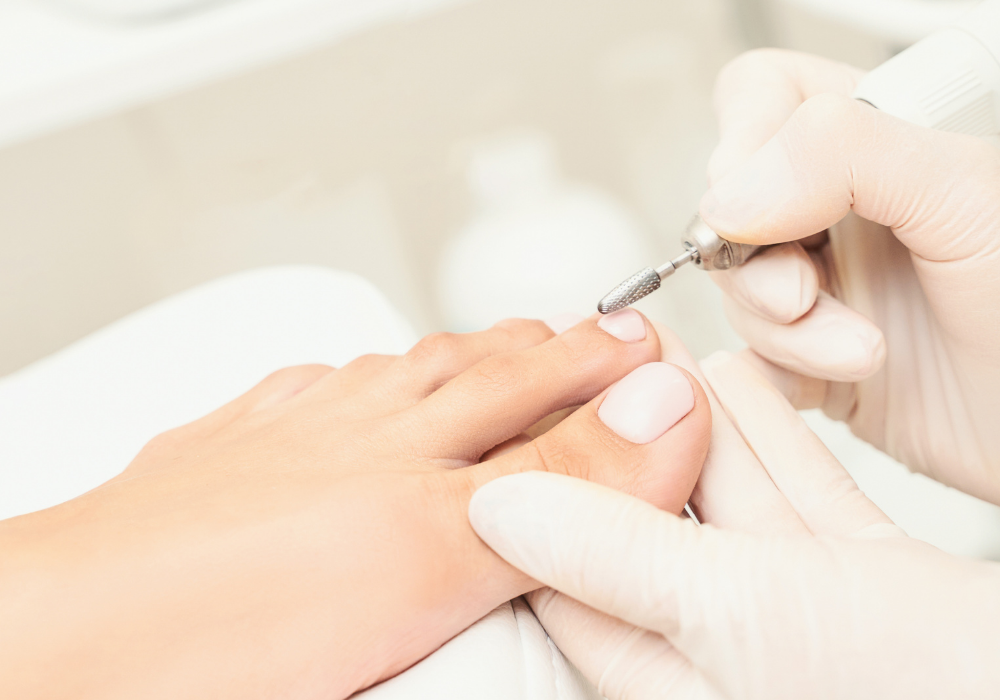
TikTok has a way of showing me treatments I didn’t know I needed. Lately, in between buccal massages and scalp detox treatments, my feed has been serving up medical pedicures. They may not sound particularly glamorous, but they blend traditional salon pedicures with a more clinical approach to foot care.
The specific clip that sent me down the rabbit hole came from Los Angeles-based content creator Maddie J (aka @mj_726), who documented her visit after developing toenail fungus from a nail salon pedicure. Now, she says she exclusively gets pedicures at a doctor’s office, aiming to go once a month. Judging by the comments section, plenty of viewers were equally surprised that medical pedicures even existed—and immediately wanted to book one.
So what’s the deal with them? Is there actually a standardized definition for a medical pedicure, or can anyone slap the label onto a service? With sandal season creeping closer, the timing feels right to dig deeper. Ahead, everything to know about medical pedicures, including what makes them different from traditional salon pedicures and whether they’re worth booking. But first, the TikTok that started it all.
What Exactly Is a Medical Pedicure?
“A medical pedicure is performed in a clinical setting or medical spa and focuses on foot health rather than just cosmetic appearance,” says California podiatrist and Dr. AntiFungus founder Nasim Kalhor, MD. “It is typically done by a podiatrist or a trained medical professional.” Unlike a traditional salon pedicure, though, a medical pedicure doesn’t always include polish unless it’s specifically noted as part of your service—definitely something worth asking about ahead of your appointment if that’s a non-negotiable for you.
Minnesota registered nurse Delaney Olson, who works for the medical pedicure and foot-care company The Foot Nurse, adds that medical pedicures are sometimes cleverly called “medi-pedis” and take place in either a clinical setting or one’s home. “While a regular pedicure focuses on appearance, a medical pedicure prioritizes foot health, hygiene and safety to prevent infections or complications,” she says.
One of the biggest distinctions between a medical pedicure and a traditional salon service comes down to sanitation and oversight. “Unlike traditional pedicures, there is no use of shared soaking basins, and all instruments are either medical-grade sterilized or single-use,” Dr. Kalhor explains. “That level of control, combined with medical oversight, makes the process much more hygienic than a standard salon pedicure.”
Dr. Kalhor notes that many people may already be exposed to fungal organisms without realizing it, whether from locker rooms, beaches or even pets at home. Add heat and moisture into the mix—like during a traditional pedicure—and those organisms can multiply more easily on the skin and nails.
That’s part of why some medical practices incorporate antifungal soaking systems into their services. “In more advanced settings, including medical spas, we often incorporate controlled, pre-measured soak systems such as the Dr. AntiFungus Mani-Pedi Kit ($59), says Dr. Kalhor, founder of the brand. “Each kit contains six individual bottles that are added to clean water per service, ensuring a fresh and hygienic soak every time.”
Who Are Medical Pedicures Best For?
Medical pedicures aren’t solely for people with medical concerns. “They’re a great option for anyone who wants a thorough, hygienic and professionally supervised foot-care experience, compared to a standard salon pedicure,” says Olson.
That said, they can be especially beneficial for people with underlying health conditions, such as “diabetes, circulation issues or compromised immune systems,” Dr. Kalhor points out. “They reduce the risk of cuts, ingrown toenails or infections, which can lead to serious problems for these patients,” Olson adds. She notes that “traditional salon pedicures can be risky due to non-sterile tools that may spread infections or aggressive trimming or cutting, which can cause injuries and introduce microorganisms,” she adds.
Dr. Kalhor says medical pedicures “are also ideal for anyone dealing with chronic foot conditions, such as thickened or discolored nails, ingrown nails, calluses, corns, cracked heels and fungal infection.” And if you simply prefer the idea of receiving foot care under the supervision of a medical professional, that alone may be reason enough to book one.
Are Medical Pedicures Covered by Insurance?
While scrolling through the comments section of the TikTok video I shared earlier, I noticed plenty of people asking whether medical pedicures are ever covered by insurance. The answer: sometimes, but usually not.
“In general, they are not covered when performed for routine or cosmetic maintenance, ” says Dr. Kalhor. “However, portions of the visit may be covered if there is a documented medical condition, such as diabetic foot care, painful calluses or fungal infections.”
If you do end up paying out of pocket, Olson says pricing typically ranges from $75 to $175 depending on your provider and location. “It’s usually more expensive than a salon pedicure because of the sterilized equipment, specialized care and health-care expertise,” she adds, noting that “prices may be higher in cities or when performed by a podiatrist.”
[ad_2]
Source link


