
120
Justice For Animals: Iowa Becomes The 50th State To Make Animal Torture A Felony – World Animal News

Table of Contents
[ad_1]
After years of advocacy and growing outrage over horrific acts of animal cruelty, Iowa has officially become the final state in the U.S. to make the torture of companion animals a felony offense. This marks a major victory for animals and the advocates who fought tirelessly to strengthen protections for vulnerable pets and hold abusers accountable.
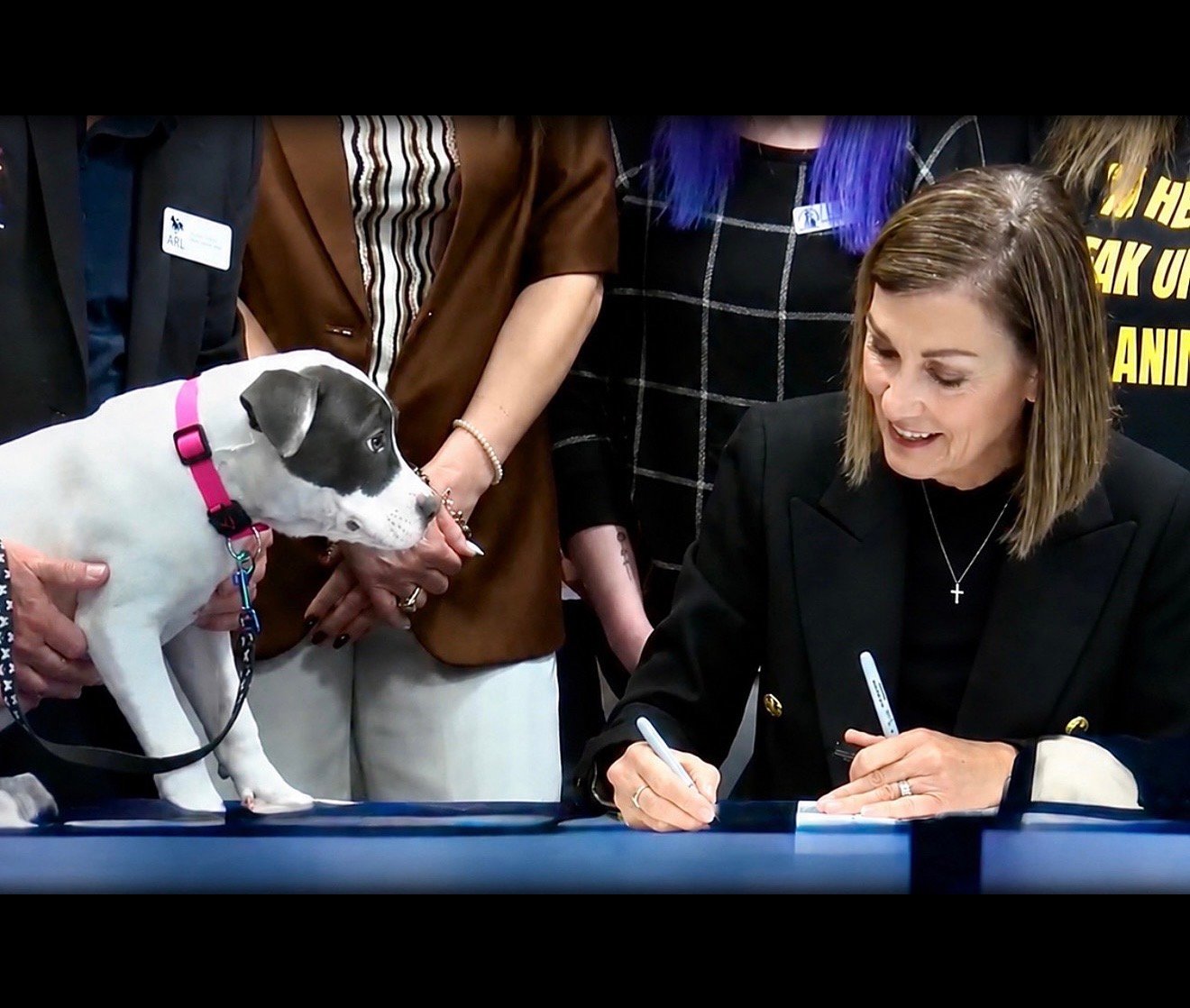
Governor Kim Reynolds signed House File 2348, also known as “Ember’s Law,” on Friday, strengthening Iowa’s animal cruelty laws and marking a historic step in the fight against animal abuse.
The legislation was inspired by Ember, a puppy who survived a horrific abuse case that sparked public outrage and renewed calls for stronger legal protections for animals across the state.
Under the new law, individuals convicted of torturing a companion animal can now face Class D felony charges on a first offense, with repeat offenses escalating to Class C felonies. The law is scheduled to take effect on July 1, 2026.
For years, Iowa remained the only state in the country without felony-level penalties specifically addressing the torture of companion animals. Animal advocates and rescue organizations say the passage of Ember’s Law closes a longstanding gap in protections for animals and sends a powerful message that extreme cruelty will no longer be tolerated.
“This is about cracking down on intentional, willful, and malicious infliction of pain or prolonged death on animals. Horrible acts of violence that are evil in their own right and linked to crimes against people,” Governor Reynolds stated.
Organizations including the Animal Rescue League of Iowa have spent years pushing for stronger animal cruelty laws while also raising awareness about the link between animal abuse and violence against humans.
For many animal advocates, Ember’s Law represents far more than a legal victory. It represents justice for innocent animals who have suffered horrific abuse in silence and renewed hope that stronger protections and accountability will help prevent future acts of violence and cruelty.
[ad_2]
Source link


