
[ad_1]
For a franchise where the main hook is time travel, “Terminator” probably wishes it could take us back in time… or just borrow the neuralyzer from “Men in Black” to wipe everybody’s mind after everything post-1991. Now, as “Terminator 2: Judgment Day” turns 35 this month, we think it’s time to call it: Terminator shouldn’t be back.
The decline of the “Terminator” franchise might be one of the greatest falls from grace ever seen in cinema. The first two movies established themselves as genre classics, combining heart-stopping action with futuristic sci-fi that explored the threat of AI bringing about an apocalypse.
No one could get enough of the concept, with several clones such as Jean-Claude Van Damme’s “Universal Soldier” and Mario Van Peebles’ “Solo” copying James Cameron’s homework and trying to ride its coattails. In the end, none of them were fit to lick the boots of Arnold Schwarzenegger’s T-800. And as it turns out, neither were any of the subsequent Terminator sequels that followed.

1991’s “Terminator 2: Judgment Day” is one of the best sequels of all time, but it also wraps up the story perfectly in retrospect. It nearly ended there, too, as the franchise sat in limbo for the next decade, buried in legal battles and rights disputes.
Cameron had plans for a third film, but he moved on to create “Avatar”, leaving “Terminator 3: Rise of the Machines” to blast into theatres in 2003 without him. Is it an awful film? No, but it fails to do or say anything new. It’s “a rusted robot compared to the first two films”, as a fan referred to it in a Rotten Tomatoes review.
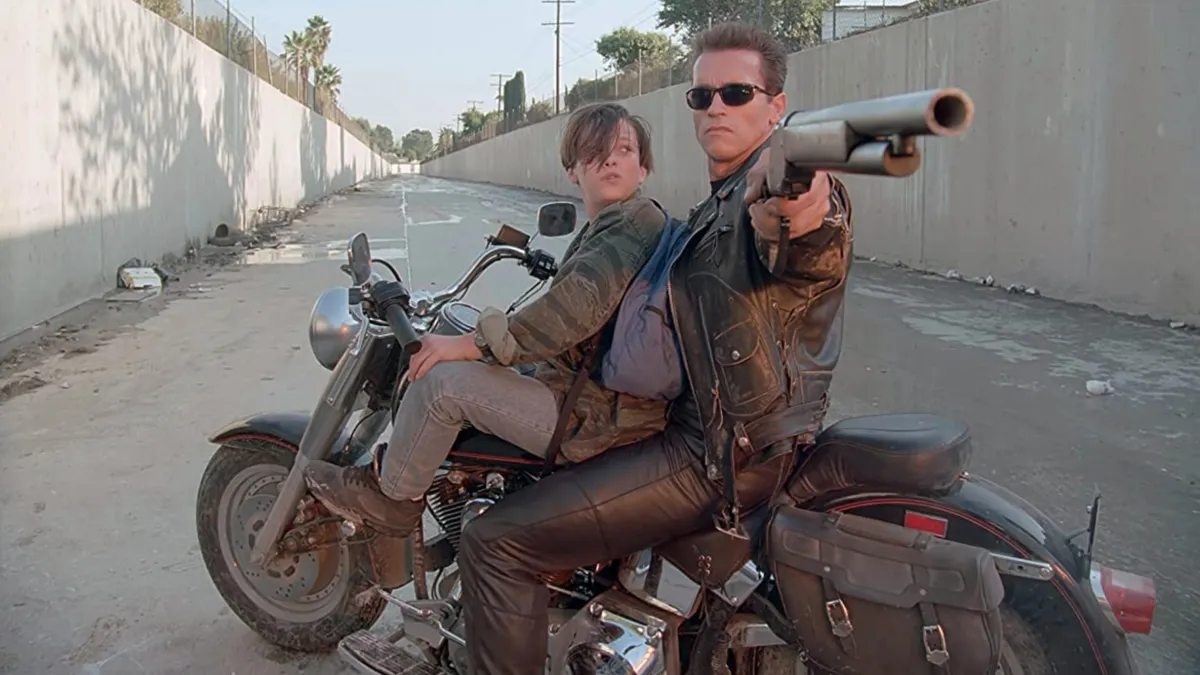
A TV series titled “Terminator: The Sarah Connor Chronicles” debuted in 2008. It ignores the events of the last movie, as Sarah Connor (Lena Headey) and her son, John (Thomas Dekker), continue to do everything in their power to stop the creation of Skynet. An interesting and alternate continuation of the story, but no one really watched the show, resulting in a quick pull of the plug after two seasons.
From there, the franchise shot forward into the future in 2009’s “Terminator Salvation”. Despite Christian Bale’s spirited performance as John Connor, including an infamous leaked behind-the-scenes rant, there’s no salvation to be found here – only the damnation of a soulless story and deliberate nostalgia-bait. And the less said about 2015’s reboot-but-not-a-reboot “Terminator Genisys”, the better.

Then, 2019’s “Terminator: Dark Fate” arrived. Out of all the sequels, this is likely the best of the lot, as it attempts to inject fresh blood into the franchise, but it’s still hamstrung by hanging onto the narrative threads of the past. The decision to kill John Connor is daft to the nth degree, effectively nullifying the entire point of the series. But the worst part about “Terminator: Dark Fate” wasn’t the middling reviews or online hullabaloo about John; it was how it tanked at the box office. It’s the lowest-performing “Terminator” sequel – all but killing the chances of more movies for at least the immediate future.
So, what did the franchise do? It pivoted. The murder bots headed back to the comics and video game arena, while an anime show, “Terminator Zero” arrived on streaming in 2024. Maybe the audience changed, so the franchise needed to change along with it? Well, about that…
In February 2026, news broke that Netflix had cancelled “Terminator Zero”. It’s a cruel move, especially since the Mattson Tomlin-created show attempted to do something different by telling a Terminator story that isn’t about John Connor.
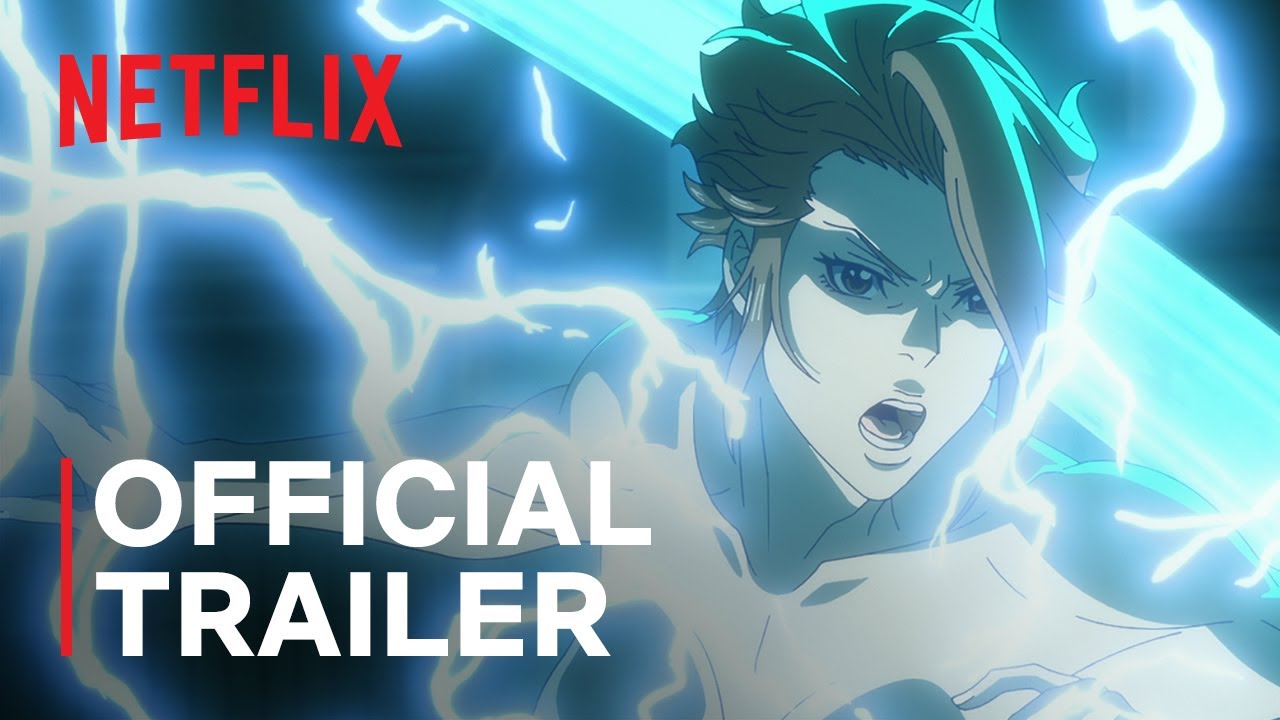
It’s set in Japan and follows Malcolm Lee (voiced by André Holland), who attempts to stop the rise of Skynet by creating his own AI named Kokoro. The series isn’t afraid of having tough discussions about humanity and if we’re fated to destroy ourselves, no matter how many times someone tries to prevent it by changing the course of history. Should we even be saved from ourselves?
“Terminator Zero” proves to be a breath of fresh air, keeping the John Connor chronicles out of the picture and introducing new characters to propel the action forward. It’s the shot in the arm that the franchise desperately needed; the core themes of Cameron’s two movies are still in check, but the additional layers help to evolve and widen the landscape of the story. This is something the fandom had been calling out for many times before in the years prior. Yet, when originality finally arrived in the form of “Terminator Zero”, the amount of eyeballs on the series didn’t justify Netflix’s continued investment in it.
If it wasn’t clear before, it is now. The return of both Schwarzenegger and Linda Hamilton didn’t make an iota of a difference in “Terminator: Dark Fate”, while the decision to go in a bold new direction with the anime series hardly made a splash. The general public has lost interest in “Terminator” – and there’s no coming back from it. No amount of time-traveling expeditions to reboot or create alternate timelines can save it now, because it’s been done to the point of overkill.

It’s not just that the movies failed to change with the times, though… we’ve changed. The “Terminator” movies are a warning about the dangers of technology and AI. The problem with watching it now is that it doesn’t feel like fiction anymore. As the irresponsible use of AI escalates and an OpenAI smart model has already refused to follow instructions, Cameron’s nightmare is turning into reality. Will ChatGPT be building humanoid robots to hunt us down in 50 years time? Probably not. Reality tends to offer less stylish and cinematic ends for its protagonists.
In August 2025, Cameron admitted that he’s struggling to write a new “Terminator” film for this very reason. “I’m tasked with writing a new ‘Terminator’ story,” he said. “I’ve been unable to get started on that very far because I don’t know what to say that won’t be overtaken by real events. We are living in a science fiction age right now.”
Despite this, Cameron confirmed that he’s working on a new Terminator script — this time sans Schwarzenegger — in a December 2025 interview with The Hollywood Reporter. “It’s time for a new generation of characters,” said Cameron. “There needs to be a broader interpretation of Terminator and the idea of a time war and super intelligence. I want to do new stuff that people aren’t imagining”.

And so we’re destined to do this dance once more. Kyle Reese warned us as much in the original. “It absolutely will not stop… ever, until you are dead!” We thought he was talking about the T-800, but maybe what he was really warning us about was the dark fate of this iconic movie franchise.
The harsh truth is that every good story needs to know when to end. The obsession with turning everything into a franchise and extending it until it’s limping along and slack-jawed needs to be curbed. Not everything needs to go on for all eternity. Look at “Back to the Future” as a prime example; despite repeated calls for “Back to the Future Part IV”, Robert Zemeckis and Bob Gale have rejected it. Consequently, the legacy of “Back to the Future” seems far more secure than “Terminator’s” in the modern era, because they know the story’s done.
Schwarzenegger’s T-800 famously said, “I’ll be back,” and he kept his promise for over three decades. This time, though, it’s time for him to stay gone.
[ad_2]
Source link


