
Table of Contents
Walk down any beauty aisle and you’ll see “natural” plastered on everything from cleansers to moisturizers. But what does that word actually mean? And more importantly, does natural skin care work better than conventional products? After years of testing and researching, I’ve learned that natural doesn’t automatically mean effective—or safe. Let’s cut through the marketing hype and look at what natural skin care can and can’t do for your skin.
Why Natural Skin Care Isn’t a One-Size-Fits-All Solution
I’ve seen people ditch their dermatologist-recommended routine for a jar of coconut oil and end up with a face full of breakouts. Natural ingredients are still chemicals—they just come from plants, minerals, or animals rather than a lab. Your skin doesn’t care about the source; it cares about molecular structure and concentration.
For instance, essential oils like lavender and tea tree are natural, but they can cause irritation or allergic reactions in some people, especially at high concentrations. On the flip side, synthetic ingredients like hyaluronic acid or salicylic acid are lab-made but can be gentler and more stable than their natural counterparts. The key is knowing which natural ingredients are backed by science and which are just trendy.
Ingredients That Actually Deliver in Natural Skin Care
Not all natural ingredients are created equal. Here are the ones that have solid research behind them:

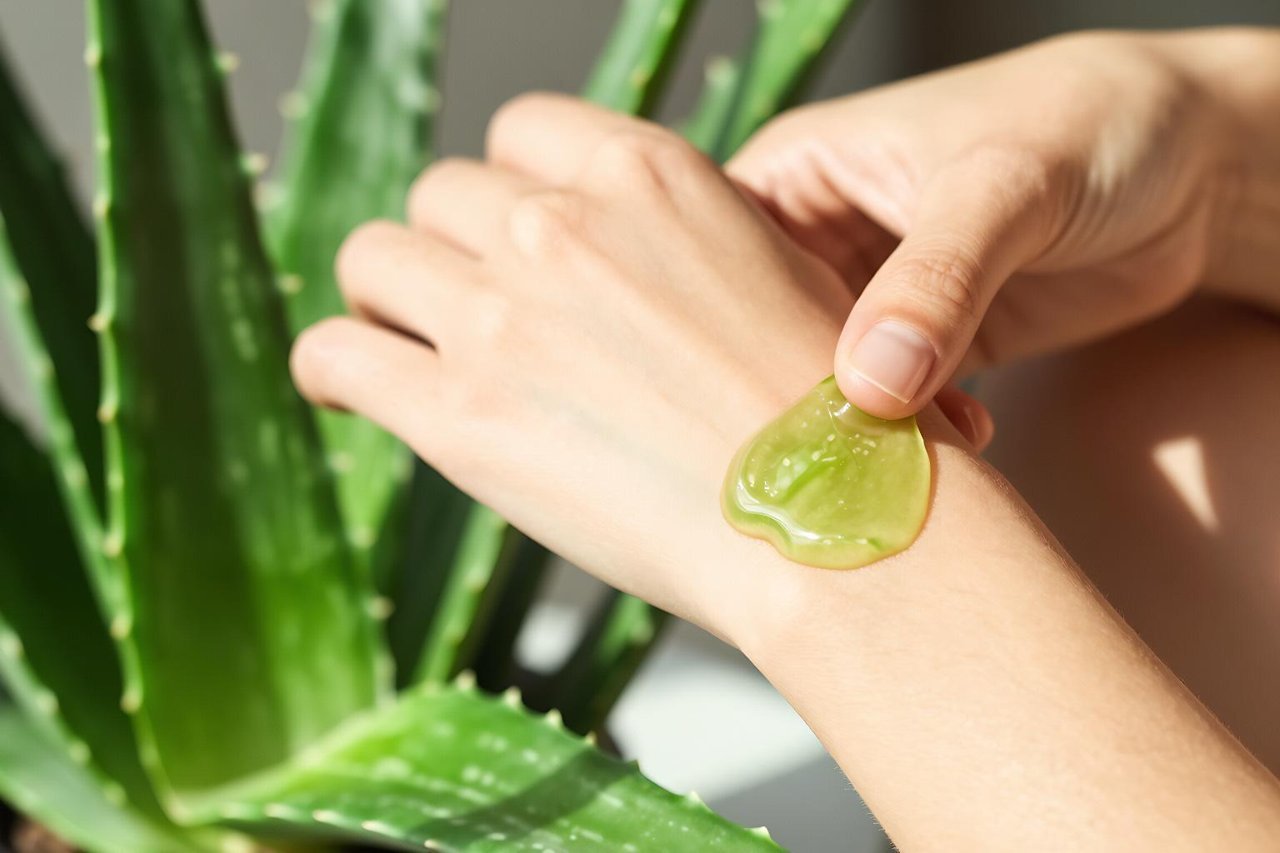
Aloe Vera
This succulent plant is a hydration powerhouse. A 2019 study found that aloe vera gel can increase skin hydration and reduce erythema (redness) better than a placebo. Look for products where aloe is one of the first ingredients, not just a drop at the bottom of the list.
Green Tea Extract
Rich in antioxidants called catechins, green tea can help protect your skin from UV damage and reduce inflammation. One study showed that applying a 3% green tea lotion for 12 weeks improved skin elasticity and texture. It’s especially good for oily or acne-prone skin.
Oatmeal
Colloidal oatmeal (finely ground oats) is FDA-approved as a skin protectant. It’s excellent for soothing eczema, dry skin, and irritation. The beta-glucans in oatmeal form a protective film that locks in moisture without feeling greasy.
Shea Butter
Unrefined shea butter is packed with vitamins A, E, and F. Its high concentration of fatty acids makes it deeply moisturizing. A 2010 study found that shea butter has anti-inflammatory properties comparable to those of hydrocortisone in some tests. Just don’t use it on acne-prone areas—it’s comedogenic for some.
Rosehip Seed Oil
This oil is rich in linoleic acid and vitamin C. Studies show it can improve hyperpigmentation and scar appearance when used consistently over 12 weeks. It’s lightweight enough for most skin types, but always patch test first.
- Aloe vera – hydrates and soothes
- Green tea extract – antioxidant and anti-inflammatory
- Colloidal oatmeal – barrier repair for sensitive skin
- Shea butter – deep moisture for dry skin
- Rosehip seed oil – brightening and scar fading
Common Myths That Sabotage Your Skin
The natural skin care movement has spawned some persistent misconceptions. Let’s bust a few.
“Natural means preservative-free”
Untrue. Many natural products still need preservatives to prevent microbial growth. Without them, you risk bacterial contamination that can cause acne or infections. Look for natural preservatives like grapefruit seed extract, sodium benzoate, or potassium sorbate—but don’t fear them.
“You can DIY everything at home”
While a honey mask can be lovely, making your own sunscreen or anti-aging serum is risky. You can’t control pH, concentration, or stability. A homemade vitamin C serum with orange juice, for example, will oxidize within hours and may even damage your skin barrier. Leave the complex formulations to professionals.
“Natural products are always gentler”
Not necessarily. Poison ivy is natural. Cinnamon essential oil can burn skin. Even “gentle” ingredients like chamomile can cause contact dermatitis in sensitive individuals. Always introduce new products slowly, natural or not.
How to Build a Simple, Effective Natural Routine
You don’t need a dozen products. Here’s a streamlined routine using natural skin care that actually works:
1. Cleanse Gently
Start with a non-stripping cleanser. Oil-based cleansers (like those with jojoba or sunflower oil) can dissolve makeup and sunscreen without disrupting your moisture barrier. Follow with a water-based cleanser if you’re double-cleansing at night. For mornings, just splash with water or use a mild milk cleanser.
2. Treat with Targeted Serums
If you have specific concerns, use a serum. For acne, try a 2% salicylic acid formula (yes, it’s synthetic, but derived from willow bark). For hyperpigmentation, look for a vitamin C serum stabilized with ferulic acid—many natural brands use ascorbic acid from citrus sources. For aging, a bakuchiol serum (a gentler plant-based alternative to retinol) can improve fine lines without irritation.
3. Moisturize According to Your Skin Type
Oily skin: a lightweight gel with aloe and hyaluronic acid. Dry skin: a richer cream with shea butter and squalane (often derived from olives). Combination skin: a lotion with jojoba oil and glycerin. Don’t skip this step even if you’re oily—moisturizing actually signals your skin to produce less oil.
4. Protect with Sunscreen – Always
This is non-negotiable. Natural sunscreens use mineral filters like zinc oxide or titanium dioxide. They’re effective and less likely to irritate than chemical sunscreens. Aim for an SPF of 30 or higher, and reapply every two hours if you’re outdoors. Remember: no natural ingredient can replace sunscreen.
Reading Labels: What to Look For and What to Avoid
Natural skin care products often have long ingredient lists. Here’s how to decode them:
- Look for: Ingredients listed with their Latin name (e.g., Aloe barbadensis leaf juice) or common names you recognize. The first five ingredients make up the bulk of the product.
- Avoid: Fragrance (unless it’s from essential oils and you’re not sensitive), sulfates (sodium lauryl sulfate can be drying), and parabens (if you prefer to avoid them, though they’re not as scary as often claimed).
- Beware of greenwashing: Just because a label says “natural” doesn’t mean it is. Look for third-party certifications like USDA Organic, Ecocert, or NSF to ensure the product meets real standards.
The Bottom Line on Natural Skin Care
Natural skin care can be a fantastic choice—if you choose wisely. Stick with ingredients backed by research, avoid falling for marketing fluff, and remember that your skin’s needs come before any label. A product can be 100% natural and still break you out. Another can be half synthetic and give you the best skin of your life. Focus on what works for your unique skin, not on whether the ingredient came from a plant or a test tube.
Start with a simple routine, patch test everything, and give each product at least four weeks to show results. Your skin will thank you—naturally.


