
Table of Contents
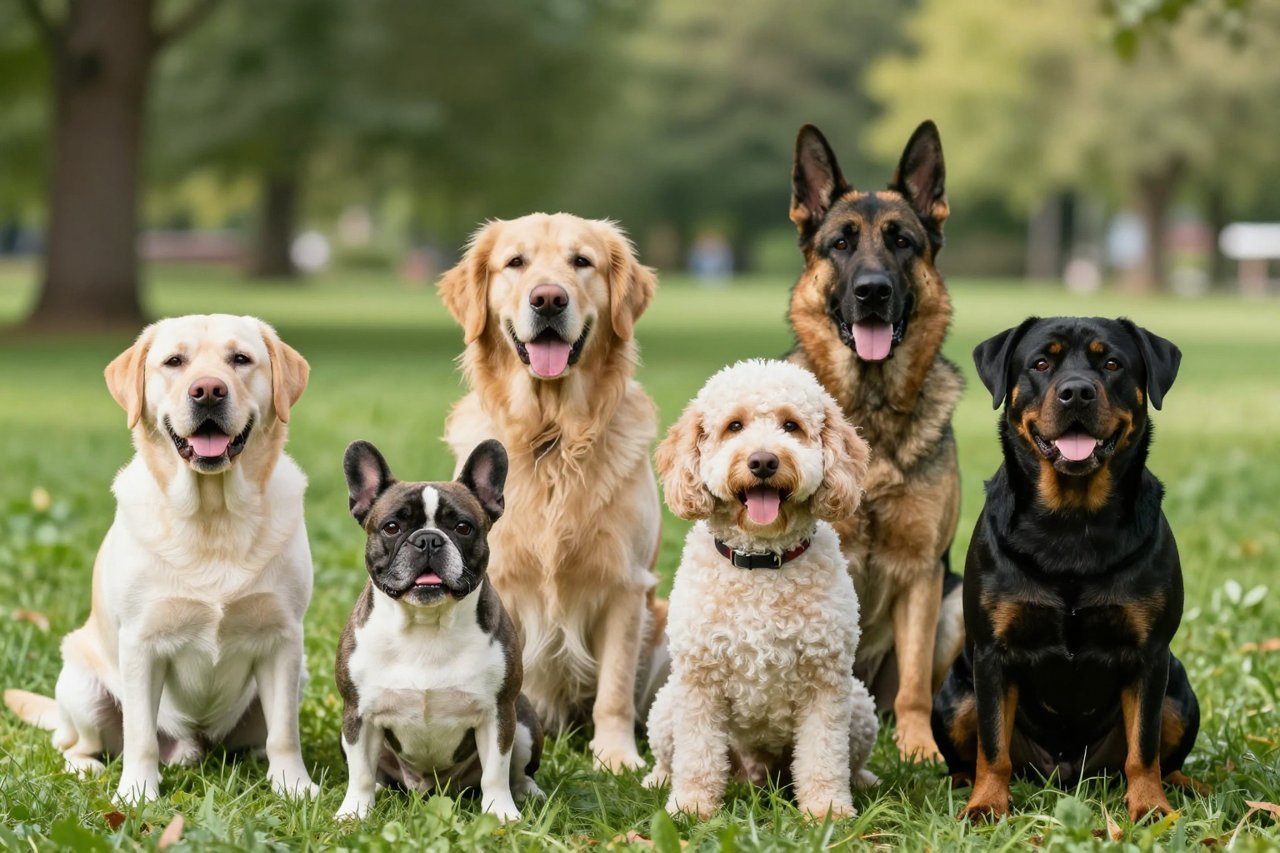
Dogs have been our companions for thousands of years, and today there are over 340 recognized breeds worldwide. But which ones truly stand out? Whether you’re a first-time owner or a seasoned enthusiast, finding the right breed can feel overwhelming. That’s why we’ve narrowed down the top 7 dog breeds in the world—each chosen for their popularity, temperament, and unique qualities. From the ever-friendly Labrador Retriever to the elegant Golden Retriever, these breeds have earned their spots through centuries of loyalty and love. Let’s explore what makes each one special and help you decide which might be your perfect match.
1. Labrador Retriever: The All-American Favorite
Labrador Retrievers have topped the American Kennel Club’s most popular list for over 30 years—and for good reason. These medium-to-large dogs are bursting with energy, intelligence, and an eagerness to please. Originally bred as fishing dogs in Newfoundland, they have a natural love for water and a soft mouth for retrieving game.
Temperament & Personality
Labs are famously outgoing, even-tempered, and gentle. They thrive on human interaction and make excellent family pets, especially with children. Their patience and playful nature mean they’ll happily join a game of fetch or snuggle on the couch. However, they need plenty of exercise—at least an hour of vigorous activity daily—to prevent boredom and destructive behavior.
Care & Health
Labradors are prone to obesity, so a balanced diet and regular exercise are crucial. Hip and elbow dysplasia are common, along with eye conditions like progressive retinal atrophy. Their short, dense coat sheds moderately year-round, so weekly brushing helps keep loose hair under control. With proper care, Labs live 10–12 years.

2. French Bulldog: The Compact Charmer
Small but mighty, French Bulldogs have skyrocketed in popularity over the past decade. Their distinctive bat ears, wrinkled face, and muscular build make them instantly recognizable. Originally bred as companion dogs for lace workers in England (before moving to France), they are the ultimate lapdogs.
Temperament & Personality
Frenchies are affectionate, playful, and remarkably adaptable. They don’t need a huge yard—a short daily walk and indoor play suffice. They’re known for their silly antics and love of attention, but they can be stubborn. Early training with positive reinforcement works best. They are generally good with other pets and children, though their brachycephalic (flat-faced) structure means they don’t tolerate heat or heavy exercise well.
Care & Health
Because of their short snouts, French Bulldogs are prone to breathing difficulties, overheating, and skin infections in their facial folds. Clean those wrinkles daily with a damp cloth. They also often have spinal issues like IVDD. Weight management is key, as extra pounds worsen respiratory problems. Lifespan is typically 10–12 years.
3. Golden Retriever: The Sunshine Dog
Golden Retrievers are the epitome of a friendly, reliable family dog. With their lustrous golden coats and perpetual smiles, they radiate warmth. Bred as hunting retrievers in Scotland, they excel in obedience and are among the top choices for service and therapy work.
Temperament & Personality
Goldens are intelligent, eager to please, and incredibly patient. They get along with everyone—strangers, kids, other dogs—and rarely show aggression. Their energy level is high but manageable with daily exercise like walks, runs, or swimming. They love to carry things in their mouths (often your slippers) and are natural swimmers.
Care & Health
Their beautiful double coat requires brushing 2–3 times a week to prevent mats and control shedding. Goldens are prone to cancer, hip dysplasia, and heart conditions. Regular vet check-ups and a healthy diet can mitigate some risks. They live 10–12 years on average.
4. German Shepherd Dog: The Loyal Protector
German Shepherds are renowned for their courage, intelligence, and versatility. Used as police, military, and search-and-rescue dogs worldwide, they are also devoted family guardians. Their erect ears, strong build, and confident gait command respect.
Temperament & Personality
GSDs are highly trainable but need a confident owner who provides structure. They form deep bonds with their family and are naturally protective, which can lead to wariness of strangers. Early socialization is essential to prevent over-protectiveness. They thrive on having a job—whether it’s agility, herding, or simply learning new tricks.
Care & Health
These dogs shed heavily, especially during seasonal changes. Weekly brushing is a must. Common health issues include hip and elbow dysplasia, bloat, and degenerative myelopathy. They need at least two hours of exercise daily and mental stimulation. Lifespan is 9–13 years.
5. Poodle: The Brainiac in Three Sizes
Poodles are often unfairly stereotyped as prim and proper, but they are actually athletic, sharp, and hilarious. Available in standard, miniature, and toy sizes, they suit various living spaces. Bred as water retrievers in Germany, their curly coats are hypoallergenic—a major plus for allergy sufferers.
Temperament & Personality
Poodles are among the smartest dog breeds, ranking second in canine intelligence. They learn commands quickly and excel in obedience competitions. They can be sensitive and prefer gentle training methods. Contrary to their fancy image, they love to run, swim, and play. They are excellent with children when raised with them.
Care & Health
Their coat needs professional grooming every 4–6 weeks to avoid matting. Daily brushing helps. Poodles are prone to hip dysplasia, eye disorders, and skin issues. They are active dogs—standard Poodles need at least an hour of exercise daily. Lifespan ranges from 12–15 years, with toys living longest.
6. Beagle: The Merry Hound
Beagles are small hounds with a big personality. Known for their soulful eyes, floppy ears, and melodious howl, they were bred to hunt rabbits in packs. Their keen sense of smell is second only to the Bloodhound.
Temperament & Personality
Beagles are friendly, curious, and merry. They get along well with children and other dogs. However, their independent nature can make training challenging—they follow their nose, not always your commands. A secure fence is a must, as they will wander off chasing a scent. They have a moderate energy level and enjoy daily walks and sniffing games.
Care & Health
Their short coat is easy to care for—weekly brushing suffices. Beagles are prone to obesity, so portion control is vital. They can also develop epilepsy, hip dysplasia, and eye problems. Lifespan is 12–15 years.
7. Rottweiler: The Steadfast Guardian
Rottweilers are powerful, confident dogs with a calm demeanor. Descended from Roman drover dogs, they have been used for herding, guarding, and police work. Their muscular frame and black-and-tan markings are imposing, but they are often gentle giants with their families.
Temperament & Personality
Rotties are loyal, self-assured, and protective. They are not overly friendly with strangers but are devoted to their owners. Early socialization and firm, consistent training are non-negotiable. They thrive when given a purpose, like carting or obedience. Rottweilers are calm indoors but need daily exercise to stay fit.
Care & Health
Their short coat requires minimal grooming—just weekly brushing. Health concerns include hip and elbow dysplasia, heart conditions, and cancer. Rottweilers are prone to bloat, so feed them multiple small meals. They can be stubborn, so patience is key. Lifespan is 8–10 years.
Each of these top 7 dog breeds in the world offers something unique—whether it’s the Labrador’s boundless enthusiasm, the French Bulldog’s easygoing nature, or the German Shepherd’s unwavering loyalty. The best breed for you depends on your lifestyle, living space, and experience level. Before choosing, consider how much time you can dedicate to exercise, grooming, and training. A dog is a long-term commitment, but with the right match, you’ll gain a best friend for life.


