
Table of Contents
Redefining Personal Care: More Than Just Lotions and Labels
Walk down any drugstore aisle and you’ll see shelves stacked with creams, serums, and gadgets all promising to transform your personal care routine. But real personal care runs deeper than product packaging. It’s the deliberate choice to tend to your own well-being—physically, mentally, and emotionally—in ways that sustain you through life’s ups and downs.
I’ve come to see personal care as a quiet act of resilience. It’s not about indulgence or perfection. It’s about showing up for yourself, even when no one is watching. A 2022 survey by the American Psychological Association found that 44% of adults said they don’t do enough to manage their stress. The same report noted that small, consistent personal care habits—like a five-minute breathing exercise or a consistent bedtime—were linked to lower anxiety levels.
That’s the core insight: personal care isn’t selfish. It’s the foundation that lets you show up better for work, family, and everything else.
The Skin You Live In: Why Facial Care Matters Beyond Appearance
Your skin barrier is your first line of defense
Think of your skin as a brick wall. The skin cells are the bricks, and natural oils are the mortar. When you skip cleansing or over‑exfoliate, the mortar weakens. You end up with dryness, redness, or breakouts. A simple routine—cleanse, moisturize, protect—can strengthen that barrier. Dermatologists recommend a gentle cleanser (pH 4.5–5.5) and a moisturizer with ceramides to lock in hydration.

The ritual of touch
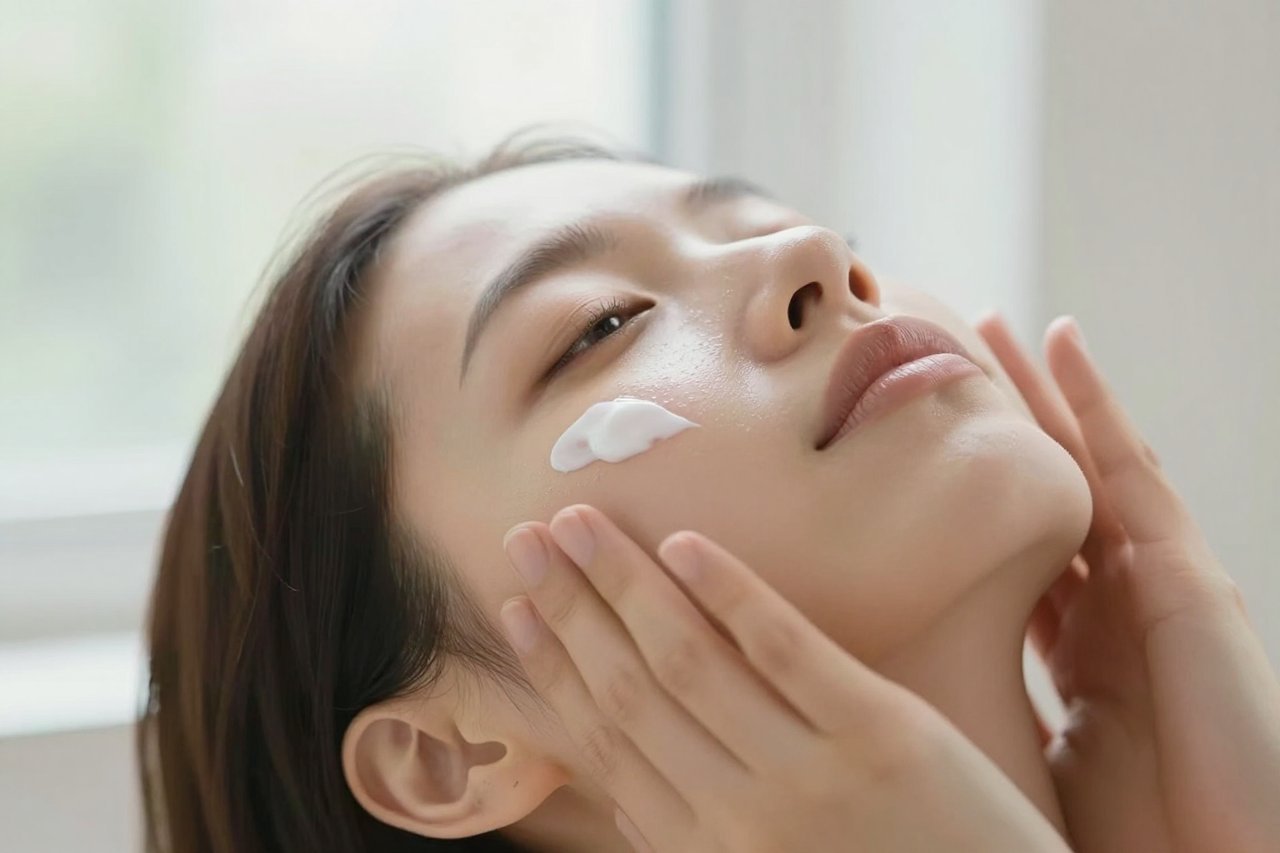
Applying moisturizer isn’t just about chemistry. The act of massaging your face for thirty seconds each morning can lower cortisol levels. A 2019 study in the Journal of Clinical and Aesthetic Dermatology showed that daily facial massage improved circulation and reduced tension in the jaw and forehead. That’s personal care you can feel.
Sleep Hygiene: The Bedrock of Personal Care
You can’t pour from an empty cup, and you can’t operate on five hours of sleep. Sleep is when your body repairs cells, consolidates memory, and balances hormones. The National Sleep Foundation recommends 7–9 hours for adults, but quality matters as much as quantity.
Three practical shifts for better sleep
- Keep your bedroom cool (60–67°F / 15–19°C). A drop in core temperature signals your body it’s time to sleep.
- Ban screens 60 minutes before bed. Blue light suppresses melatonin production. Instead, try reading a physical book or listening to a podcast.
- Use a consistent wake‑up time—even on weekends. This anchors your circadian rhythm, making it easier to fall asleep at night.
I used to think I could “catch up” on sleep later. After a month of prioritizing seven hours, my skin cleared up, my midday cravings dropped, and I snapped less at my partner.
Movement as Medicine: Personal Care That Gets You Moving
Exercise is often framed as a chore, but it’s one of the most effective personal care tools. You don’t need a gym membership or a 60‑minute session. The World Health Organization says 150 minutes of moderate activity per week—that’s just 22 minutes a day—can reduce the risk of heart disease, depression, and type 2 diabetes.
Find movement you actually enjoy
Maybe it’s a brisk walk during your lunch break, a 10‑minute yoga flow in the living room, or dancing to three songs before a shower. The key is consistency, not intensity. A 2021 study in the British Journal of Sports Medicine found that even short bursts of activity (like taking the stairs) improved mood and energy within minutes.
Mindful Moments: Mental Personal Care for Overloaded Brains
We’re bombarded with notifications, deadlines, and news. Mental personal care means carving out space to reset. It doesn’t have to be meditation—though that works for many. It could be:
- Journaling for 5 minutes about what went well that day.
- Single‑tasking instead of juggling three things at once.
- Walking without headphones and noticing the sounds around you.
Neuroscience research from Harvard shows that mindfulness practice can actually thicken the prefrontal cortex, the area responsible for focus and emotional regulation. Just 10 minutes a day can make a difference.
Nutrition: Fueling Your Body for Resilience
Personal care also means what you put inside. You don’t need a strict diet—just a few smart swaps. For example, swapping one sugary drink for water saves about 10 teaspoons of sugar. Over a year, that’s over 15 pounds of sugar avoided.
Focus on fiber (beans, oats, vegetables) and healthy fats (avocado, nuts, olive oil). Fiber stabilizes blood sugar, which reduces energy crashes and mood swings. Omega‑3s from fish or flaxseeds support brain health. A 2020 meta‑analysis found that people with higher omega‑3 intake had a 20% lower risk of depression.
Building Your Personal Care Routine (Without Overwhelming Yourself)
Start with one habit. Just one. Here’s a framework:
- Pick a keystone habit—like drinking a full glass of water first thing in the morning.
- Attach it to an existing cue—after you brush your teeth, for instance.
- Do it for two weeks before adding another habit.
I started with a three‑step evening skincare routine: cleanse, moisturize, eye cream. It took less than five minutes. After a few weeks, I naturally added a 10‑minute wind‑down before bed. That led to better sleep, which gave me energy to exercise. One small domino tipped the rest.
When life gets messy
Personal care isn’t about perfection. Some days you’ll skip the routine, eat junk, or stare at your phone until 2 a.m. That’s okay. The goal isn’t a flawless streak—it’s returning to your habits without guilt. Resilience is built in the recovery, not in the never‑falling.
The Social Side of Self‑Care: Connection as Personal Care
We often think of personal care as solitary—a bubble bath or a solo walk. But humans are wired for connection. A 2023 study from UCLA found that people with strong social ties had lower levels of inflammation and a 50% greater likelihood of survival over a 7‑year period.
Make time for a phone call with a friend. Join a book club or a walking group. Even a 10‑minute conversation can release oxytocin, the bonding hormone that reduces stress. Personal care can include “we time” as much as “me time.”
Personal Care on a Budget: What Actually Works
You don’t need expensive products or fancy retreats. Some of the most effective personal care is free:
- Sunlight—10 minutes of morning sun boosts vitamin D and sets your circadian clock.
- Breathing exercises—box breathing (inhale 4 seconds, hold 4, exhale 4, hold 4) can calm your nervous system instantly.
- Stretching—a few minutes of stretching reduces muscle tension and improves posture.
I’ve tried $50 face masks and free yoga videos on YouTube. The free ones often made me feel better because I actually did them consistently. The real luxury is showing up.
Listening to Your Body’s Signals
Personal care is ultimately about tuning in. That tightness in your shoulders? Maybe it’s time to stand up and roll them. That craving for sugar? Could be dehydration. That urge to snap at a coworker? Might mean you need a five‑minute break.
One practice I love is the “body scan” before meals. I pause, take a breath, and ask: Am I hungry? Thirsty? Bored? Stressed? Often, I’m just thirsty or tired. That simple check prevents mindless snacking and helps me address the real need.
Personal care isn’t a checklist you complete once. It’s an ongoing conversation with yourself. The more you listen, the better you know what you need—and the more resilient you become.


