
Table of Contents
The allure of private aviation has never been stronger. Whether it’s skipping security lines, setting your own schedule, or arriving at smaller airports closer to your final destination, flying private offers unmatched convenience and comfort. But for most of us, buying a jet isn’t practical. Enter personal jet rental — a flexible, cost-effective way to access the skies without the burden of ownership.
What Exactly Is Personal Jet Rental?
Personal jet rental, also known as private jet charter, is exactly what it sounds like: you rent an entire aircraft for your trip, paying for the flight hours, fuel, crew, and other operational costs. You don’t own the plane, but you get the full private experience — from the moment you step into the terminal to the moment you land.
Unlike commercial first class, where you’re still bound by airline schedules and security protocols, personal jet rental puts you in control. You choose the departure time, the airport (even small regional ones), and who travels with you. It’s your plane for the day.
How Personal Jet Rental Works
Step 1: Choose Your Aircraft
Not all jets are created equal. The market offers a spectrum from light jets (like the Citation Mustang, seating 4-5 passengers) to heavy jets (like the Gulfstream G650, seating up to 18). Your choice depends on distance, passenger count, and desired amenities. For a short hop from New York to Boston, a light jet suffices. For a transatlantic flight, you’ll want a super-mid or heavy jet with lie-flat seats and a full galley.

Step 2: Get a Quote
Most charter companies and brokers provide instant online quotes or a quick call. Pricing is typically based on flight hours, with additional fees for landing, de-icing, catering, and overnight crew expenses. A typical light jet might cost $2,500–$4,000 per flight hour; a heavy jet can exceed $10,000 per hour.
Step 3: Book and Fly
Once you confirm, the operator handles everything — flight planning, fuel, crew, catering. You arrive at the private terminal (FBO) 15 minutes before departure, show your ID, and board. No TSA lines, no waiting gates, no boarding announcements.
When Does Personal Jet Rental Make Sense?
Private jet rental isn’t cheap, but it’s often more affordable than people think, especially for groups. Here are scenarios where it truly shines:
- Group travel to remote destinations: Flying a group of 5–10 people to a ski resort or beach town can be cheaper per person than first-class commercial tickets, especially when you consider time saved.
- Business trips with multiple stops: You can visit three cities in one day without waiting for connecting flights.
- Emergencies or time-sensitive events: Need to get to a family reunion or a crucial meeting? You leave when you’re ready.
- Special occasions: Anniversary getaway, bachelor party, or family vacation — the experience itself becomes part of the memory.
Consider a trip to Jackson Hole, Wyoming, for example. Commercial flights are limited and often expensive. With a private jet, you can fly directly into Jackson Hole Airport (JAC) — one of the most scenic approaches in the world. For a detailed look at what to do once you land, check out our Jackson Hole, Wyoming, Travel Guide.
Cost Breakdown: What You Actually Pay
Understanding pricing helps you budget. Here’s a typical line item for a 2-hour flight on a light jet:
- Flight time: 2 hours × $3,000/hour = $6,000
- Fuel surcharge: 10–20% of flight cost
- Landing fees: $100–$500 per stop
- De-icing: $500–$2,000 (winter)
- Catering: $50–$500
- Crew overnight: $500–$1,000 if they need to stay
Total for a 2-hour trip: roughly $7,000–$9,000. Split among 5 passengers, that’s $1,400–$1,800 per person — comparable to a last-minute first-class ticket, but with far more flexibility.
Personal Jet Rental vs. Jet Cards vs. Fractional Ownership
If you fly more than a few times a year, you might consider alternatives to one-off rentals.
Jet Cards
Jet cards let you prepay for a set number of hours (e.g., 25 hours) at a fixed rate, often with guaranteed availability. Providers like NetJets, Flexjet, and Wheels Up offer these. The per-hour cost is higher than a one-off charter, but you get perks like no repositioning fees and consistent service. If you fly 50+ hours a year, a jet card can be cost-effective.
Fractional Ownership
You buy a share (e.g., 1/16th) of a specific aircraft, giving you a set number of flight hours annually. You pay a purchase price plus monthly management fees and hourly operating costs. This works for frequent flyers (100+ hours/year) who want guaranteed access to the same aircraft type.
Personal Jet Rental (On-Demand Charter)
This is the simplest: pay per trip. No long-term commitment. It’s ideal for people who fly privately 1–10 times a year. The downsides: pricing varies, and you may not get your preferred aircraft if booked last minute.
How to Choose a Charter Broker or Operator
Safety and reliability are paramount. Look for operators that are Wyvern Wingman or ARG/US Platinum rated — these are industry safety standards. A good broker will ask about your trip and recommend suitable aircraft, not just the most expensive one. Read reviews, ask about their safety record, and always confirm the specific tail number assigned to your flight.
Another pro tip: book round trips. One-way charters often cost more because the plane has to fly empty back (repositioning). If you can book a round trip or a multi-leg itinerary, you can save significantly.
The Experience: What It’s Really Like
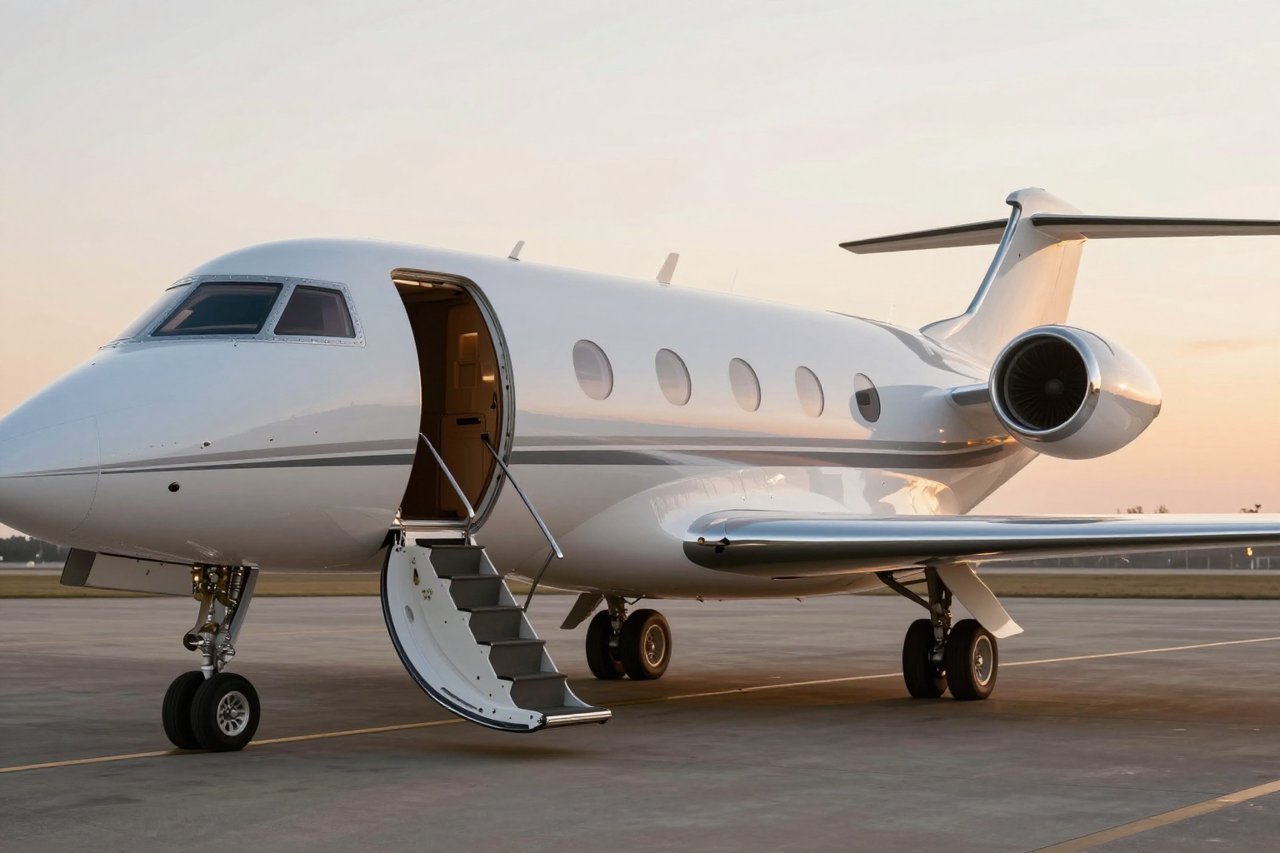
Imagine driving your car to a small terminal building. A friendly greeter takes your bags. You walk straight onto the tarmac and up the steps of a sleek jet. Inside, leather seats face each other, a table holds fresh snacks and drinks, and the cabin is quiet. The pilot shakes your hand, closes the door, and within minutes you’re taxiing. No delays, no crowds, no stress.
That’s the reality of personal jet rental. It’s not just about luxury — it’s about reclaiming your time. A flight that would take 6 hours commercially (including travel to airport, security, layovers) might take 2 hours door-to-door in a private jet.
Environmental Considerations
Private aviation has a higher carbon footprint per passenger than commercial. However, many operators now offer carbon offset programs. You can also choose newer, more fuel-efficient aircraft models. For short trips, consider if a train or car could work instead. When you do fly private, offsetting the emissions is a responsible choice.
Tips for Your First Personal Jet Rental
- Book early: Especially during holidays or peak seasons (like Christmas at Aspen), demand is high. Book at least a week ahead, or months for popular events.
- Pack light: Weight affects fuel burn and cost. Most light jets have limited baggage space. Heavy bags may incur extra fees.
- Bring your own food: You can request any catering, but it’s often cheaper to bring your own. The crew will serve it.
- Ask about repositioning deals: If a jet is flying empty to your city, you might get a discounted rate for a one-way trip.
- Use a broker for best pricing: Brokers compare multiple operators and can often find better rates than booking direct.
If you’re planning a trip and looking to save on travel gear, check out the Best Black Friday Deals for Travelers 2024 for luggage and accessories that fit perfectly in a private jet cabin.
Is Personal Jet Rental Worth It?
For the right trip, absolutely. It’s not about showing off — it’s about efficiency, privacy, and comfort. If you value your time and travel with a group, the cost can be surprisingly reasonable. Start with a short hop to test the waters. Once you experience the convenience, you may never want to go back to commercial.
And if you’re curious about the peculiarities of luxury travel, you might enjoy reading about Why Civility Starts With Civets: The Ugly Truth Behind the World’s Most Expensive Coffee — a fascinating detour into the world of high-end commodities.


