
Table of Contents
Ringworm is a common fungal infection that shows up as a red, circular, itchy rash. Despite its name, no worm is involved—it’s caused by dermatophytes, fungi that thrive on keratin in skin, hair, and nails. The good news: ringworm treatment is straightforward for most cases, but knowing the right steps can make a big difference in how quickly you heal.
Understanding Ringworm: Signs and Symptoms
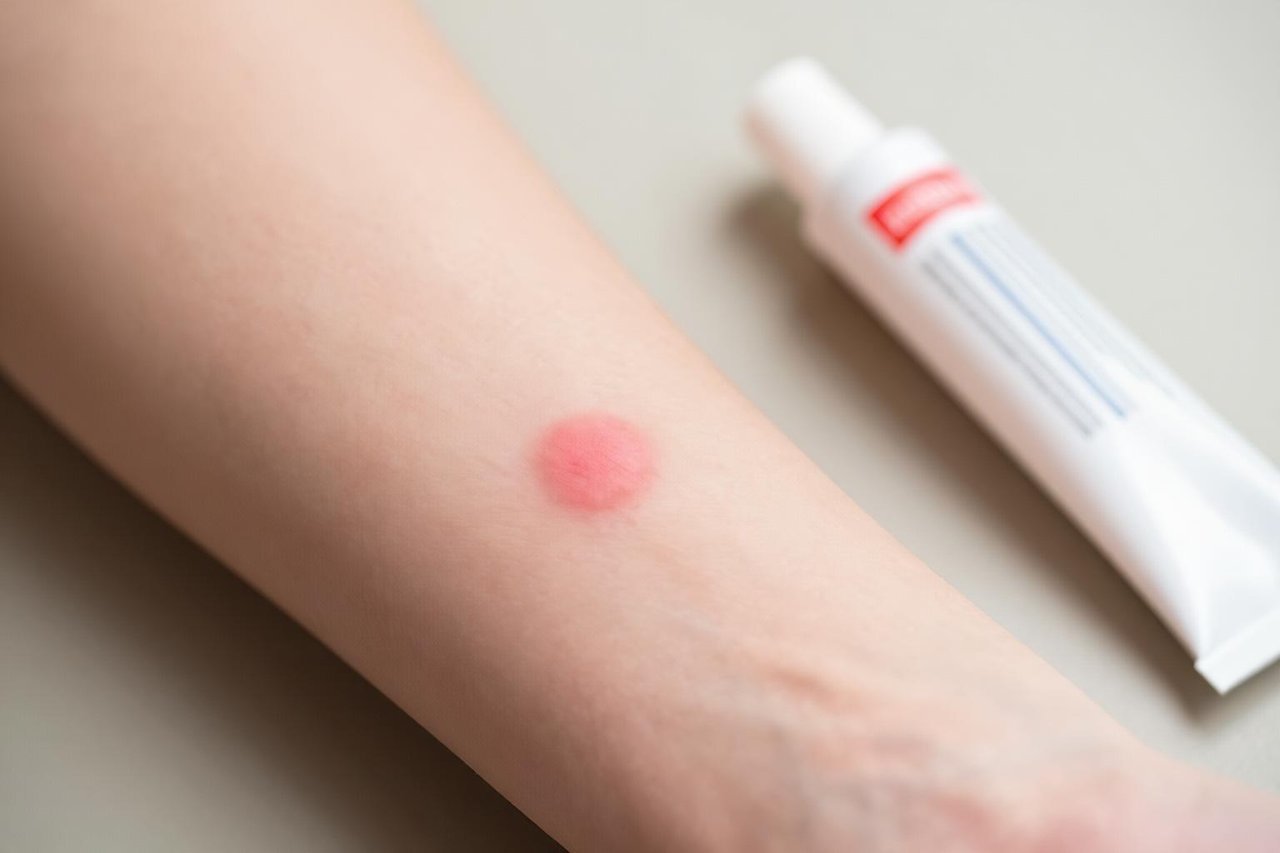
Before diving into treatment, it helps to recognize what you’re dealing with. Ringworm typically appears as one or more round, red patches with raised edges that slowly expand. The center often clears, giving a ring-like appearance. It can be intensely itchy, and the skin may become scaly, cracked, or blistered. On the scalp, it can cause patchy hair loss; on nails, thickening and discoloration. If you suspect ringworm, a quick check with your doctor or a look at reliable resources like this guide on ringworm symptoms and prevention can confirm it.
First-Line Ringworm Treatment: Over-the-Counter Antifungals
For most mild to moderate ringworm infections on the body (tinea corporis), athlete’s foot (tinea pedis), or jock itch (tinea cruris), over-the-counter antifungal creams work well. Look for active ingredients like:
- Clotrimazole (Lotrimin, Mycelex)
- Miconazole (Micatin, Monistat)
- Terbinafine (Lamisil) – often works faster, sometimes in just one week
- Tolnaftate (Tinactin)
Apply the cream to the affected area and about an inch beyond the rash’s edge. Use it once or twice daily for at least 2–4 weeks, even after the rash disappears, to prevent recurrence. If you notice no improvement after two weeks, you may need a stronger prescription.

How to Apply Antifungal Cream Correctly
Clean and dry the area first. Rub a thin layer of cream into the skin, covering the entire rash. Wash your hands after application (unless treating ringworm on hands). Don’t cover with bandages unless directed—let the skin breathe. For athlete’s foot, pay special attention to the spaces between toes.
When Over-the-Counter Isn’t Enough: Prescription Options
Some cases require a stronger approach. If the infection covers a large area, doesn’t respond to OTC creams, or affects the scalp or nails, your doctor may prescribe:
- Prescription-strength topical antifungals like econazole or ketoconazole cream
- Oral antifungal medications such as terbinafine (Lamisil), itraconazole (Sporanox), or fluconazole (Diflucan)
- Antifungal shampoos (e.g., ketoconazole 2%) for scalp ringworm, often combined with oral meds
Oral antifungals are typically taken for 4–12 weeks, depending on the infection site. They can have side effects, including liver enzyme elevation, so your doctor may monitor blood tests. For nail infections, treatment can take months, but success rates are high.
Ringworm on the Scalp: Special Considerations
Scalp ringworm (tinea capitis) is more common in children and requires oral medication because topical creams can’t penetrate hair follicles. Treatment usually involves 4–8 weeks of oral terbinafine or griseofulvin, plus a medicated shampoo to reduce fungal shedding. Keep in mind that hair loss from scalp ringworm can be temporary—hair typically regrows after successful treatment, though scarring alopecia is possible in severe cases.
Home Care to Speed Up Healing
While medication does the heavy lifting, good habits can help you recover faster and prevent spreading the fungus to others or other parts of your body.
- Keep the area clean and dry. Fungi love moisture. After showering, pat the rash dry gently with a clean towel—don’t rub.
- Wash bedding, towels, and clothing in hot water with detergent. Change them daily during treatment.
- Avoid sharing personal items like razors, combs, or sports equipment.
- Wear loose, breathable fabrics (cotton) to reduce sweating.
- Treat pets if needed. Ringworm can pass between humans and animals. If your pet has bald patches, take them to the vet.
- Don’t scratch. Scratching can spread the infection and cause bacterial superinfection. If itching is severe, ask your doctor about an antihistamine.
Natural and Alternative Remedies: Do They Work?
You’ll find many home remedies online, but few have solid evidence. Some people try tea tree oil, apple cider vinegar, or garlic. While tea tree oil has antifungal properties in lab studies, it can irritate skin and isn’t as effective as OTC antifungals. Apple cider vinegar may help dry the rash but can burn if undiluted. If you choose a natural approach, use it alongside—not instead of—proven treatments. Always patch test first.
How to Prevent Ringworm Recurrence
Even after successful treatment, ringworm can come back if you don’t address risk factors. Key prevention tips:
- Practice good hygiene: Shower after sweating, dry thoroughly, and wear flip-flops in public showers or locker rooms.
- Keep skin dry: If you’re prone to athlete’s foot, use antifungal powder daily.
- Don’t walk barefoot in communal areas.
- Check your skin regularly if you have pets or are around infected individuals.
- Treat any underlying conditions that weaken immunity, like diabetes. For broader skin health, see this guide on skin infection treatment and prevention.
When to See a Doctor
Most ringworm cases clear with OTC treatment, but see a healthcare provider if:
- The rash is spreading or not improving after 2 weeks of OTC use.
- The infection covers a large area (e.g., more than 5% of your body).
- You have ringworm on your scalp, face, or nails.
- You have a weakened immune system (e.g., from HIV, chemotherapy, or organ transplant).
- The rash is painful, oozing, or you develop a fever—signs of bacterial infection.
Your doctor can take a skin scraping to confirm the diagnosis and prescribe the right medication. If you’re also experiencing unexplained hair loss that might be related to alopecia, a professional assessment can distinguish ringworm from other causes.
Ringworm in Children and Pets
Kids are especially prone to ringworm because they’re in close contact at school and play. Treatment is the same as for adults, but always check with a pediatrician before using any cream. For infants under two months, doctor’s guidance is essential. Pets with ringworm show circular bald patches, often on the head, ears, or paws. A vet can prescribe topical or oral antifungals for your pet. Remember to vacuum frequently and disinfect surfaces to break the cycle of reinfection.
Myths About Ringworm Treatment
Let’s clear up a few misconceptions. Ringworm is not caused by a worm, so anti-worm medications won’t help. Bleach or rubbing alcohol may kill fungi on surfaces but are too harsh for skin—they can cause chemical burns. Also, covering the rash with a bandage doesn’t speed healing; it can trap moisture and make things worse. Stick to proven treatments and you’ll be on the right track.
Effective ringworm treatment is about consistency—using the right medication for the full duration, keeping the area clean, and preventing spread. With the right approach, most infections clear within a few weeks. If you’re unsure or dealing with a stubborn case, don’t hesitate to seek medical advice.


