
Table of Contents
Vitiligo is more than a skin condition—it’s an autoimmune disorder that causes melanocytes to stop producing pigment, leading to white patches on the skin. For those living with it, finding an effective vitiligo treatment can feel like navigating a maze. Some treatments restore color slowly; others aim to stop new spots. The good news: options have expanded significantly in the past decade. This guide breaks down the most proven approaches, from creams and light therapy to surgery, so you can have informed conversations with your dermatologist.
Understanding Vitiligo: Why Treatment Differs for Everyone
Vitiligo affects about 1% of the global population, regardless of skin type. The condition is unpredictable—patches may stay stable for years or spread rapidly. Treatment success depends on factors like how long you’ve had vitiligo, where the patches are located, and your skin tone. For example, darker skin tones often see more dramatic contrast, which can make repigmentation more noticeable and rewarding. Early intervention typically yields better results, especially if you catch it within the first year.
Topical Therapies: The First Line of Defense
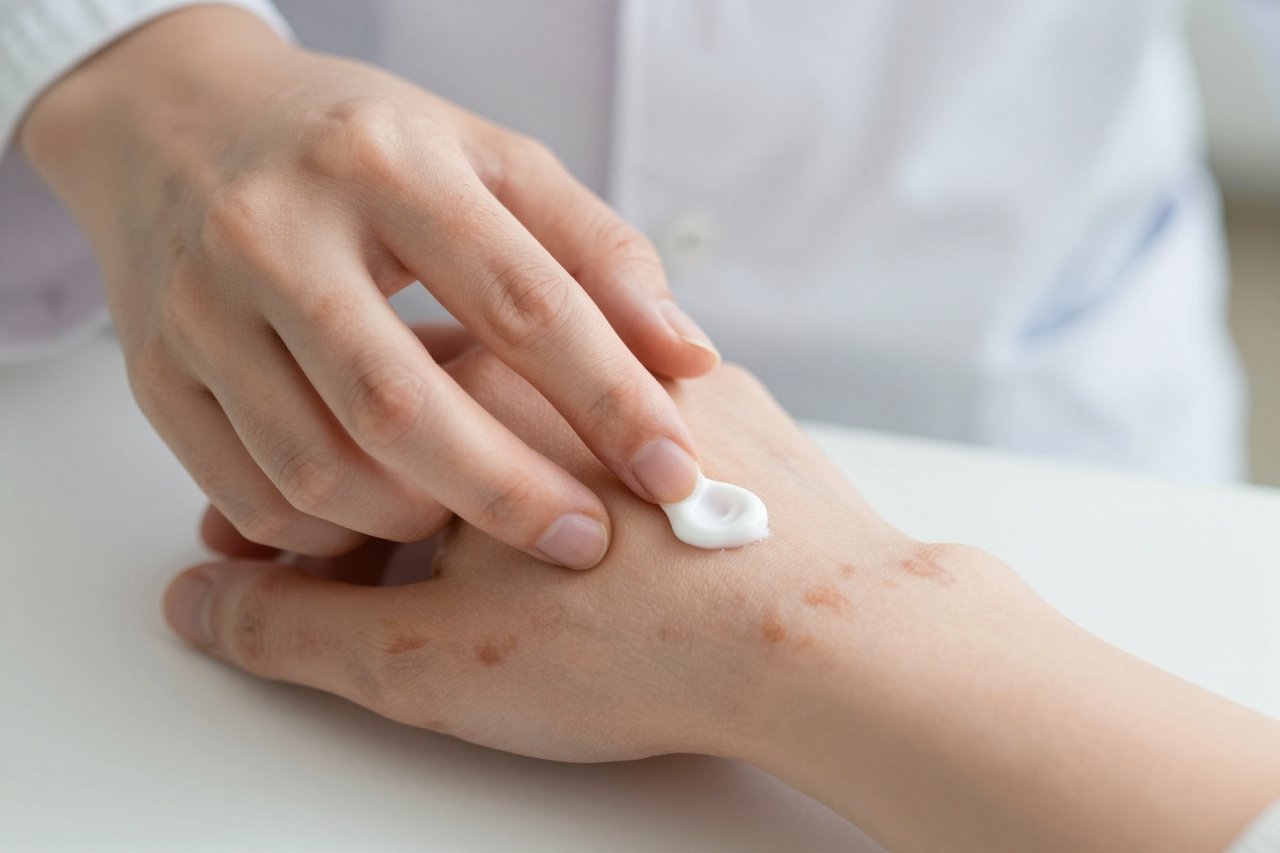
Topical treatments are usually where most people start. They’re applied directly to white patches and work by calming the immune attack or stimulating melanocytes.
Corticosteroids and Calcineurin Inhibitors
Strong prescription corticosteroid creams (like clobetasol) can restore pigment in many patients, but long-term use thins the skin. That’s why dermatologists often cycle them or switch to calcineurin inhibitors such as tacrolimus or pimecrolimus. These are steroid-free and safer for sensitive areas like the face, armpits, and genitals. A 2019 review found that tacrolimus combined with narrowband UVB light therapy improved repigmentation by 40–60% over six months. Consistency is key—missing even a few days can set you back.

JAK Inhibitors: A New Hope
In 2022, the FDA approved ruxolitinib cream (Opzelura) for non-segmental vitiligo in patients 12 and older. This JAK inhibitor blocks the immune signals that destroy melanocytes. Clinical trials showed that nearly 30% of patients achieved at least 75% repigmentation on the face after one year. It’s expensive, but many insurance plans now cover it. For some, this is the most effective vitiligo treatment they’ve ever tried.
Phototherapy: Light That Restores Color
Light therapy has been a cornerstone of vitiligo management for decades. The most common form is narrowband UVB (NB-UVB), which you can get in a dermatologist’s office or with a home unit. Treatments are typically two to three times per week. A 2020 study reported that after one year of NB-UVB, about 60% of patients saw 50% or more repigmentation. The face and trunk respond best; hands and feet are stubborn. Excimer laser (308 nm) is a targeted option for small patches, often used on the face or scalp. It delivers higher intensity light to a limited area, so sessions are shorter.
Surgical Treatments: When Topicals and Light Aren’t Enough
For stable vitiligo (no new patches for at least a year), surgical options can be highly effective. These are not for active spreading disease.
Skin Grafting and Blister Grafting
In punch grafting, tiny plugs of normal skin are transplanted into depigmented areas. Suction blister grafting creates blisters on pigmented skin, then the roof of the blister is transferred to a prepared white patch. These techniques can achieve 80–95% repigmentation in stable cases. Healing takes a week or two, and color matching usually improves over months.
Melanocyte Keratinocyte Transplant Procedure (MKTP)
Also called cellular grafting, MKTP involves taking a small sample of pigmented skin (about the size of a postage stamp), separating the melanocytes in a lab, and applying them to a larger white area. This can cover patches up to ten times the donor size. Success rates range from 60 to 85%, depending on the body site.
Lifestyle and Complementary Approaches
While no diet or supplement can cure vitiligo, some people find that certain changes support conventional treatment. Vitamin D, folic acid, and B12 supplements may help because they’re involved in melanin production. But evidence is mixed—a 2021 meta-analysis found no strong proof that supplements alone repigment skin. Sun protection is non-negotiable: white patches burn easily, and sun exposure can trigger new patches in some people. Stress management matters too. Many patients report flare-ups after emotional trauma. For example, Debbie Rowe, who was Michael Jackson’s wife, faced her own health challenges after years of stress. You can read about her story in this article about Debbie Rowe’s breast cancer journey. While her condition differs, the link between stress and immune health is a reminder that mental well-being plays a role in managing chronic conditions.
Camouflage and Cosmetic Options
Not everyone wants or needs medical treatment. High-coverage makeup, self-tanners containing dihydroxyacetone (DHA), and micropigmentation (medical tattooing) can even out skin tone instantly. Dermablend and Covermark are popular brands. For larger areas, some people use spray tans weekly. These options don’t change the disease but can boost confidence while you decide on a long-term plan.
Emerging Therapies on the Horizon
Research is moving fast. Afamelanotide, an implant that stimulates melanin production, has shown promise in combination with NB-UVB. A 2022 trial found that the combo led to 50% more repigmentation than UVB alone. Other JAK inhibitors, like upadacitinib and baricitinib, are being tested in cream and pill forms. Gene therapy and stem cell treatments are still in early stages but could one day offer a permanent fix.
Choosing the Right Vitiligo Treatment for You
No single approach works for everyone. Start with a dermatologist who specializes in pigment disorders. They’ll assess your vitiligo type—segmental (one side of body) vs. non-segmental (both sides)—and its activity level. If patches are spreading, you need immune-modulating treatment first (topicals or phototherapy). If stable, consider surgery. Cost and convenience matter too: home phototherapy units cost about $1,500–$3,000 upfront but can save money over time. Insurance coverage varies widely, so check before committing. Track your progress with photos every month. Repigmentation is slow—it can take six months to a year to see visible change. Patience and persistence are your best allies.


