
Table of Contents
High end designer fashion sits in a curious space. It’s aspirational, sure, but it’s also deeply personal. For some, it’s the thrill of owning a piece of art. For others, it’s about quality that lasts decades. But what actually separates a true luxury piece from a well-made mid-range garment? The answer goes far beyond the logo.
The Anatomy of a Luxury Garment
When you hold a truly high end piece, you feel it immediately. The weight of the fabric, the precision of the stitching, the finish of a button. These aren’t accidents. They’re the result of decades of refined technique.
Fabric and Material Selection
Luxury houses source the finest raw materials. Italian mills produce cashmere so fine it feels liquid. Japanese denim is woven on vintage shuttle looms, creating a texture that can’t be replicated. Silk charmeuse from Como has a drape and sheen that mass-produced versions lack.
For example, a single Hermès scarf uses silk from 250 mulberry silkworm cocoons. The dyeing process involves up to 40 layers of color. That’s why it holds its hue for decades.

Construction and Tailoring
High end designer fashion often involves hand-finishing. A Chanel jacket has a tiny chain sewn into the hem so it hangs perfectly. A Brioni suit requires over 200 steps and 18 hours of handwork. Even ready-to-wear pieces from houses like Loro Piana use full-canvas construction, which molds to your body over time.
Compare that to fused construction in fast fashion—where glue eventually breaks down. That’s the difference between a piece you wear once and one you hand down.
Heritage and Craftsmanship
Many luxury brands have stories that go back a century or more. That history isn’t just marketing—it’s embedded in their techniques.
Gucci’s horsebit loafer, introduced in 1953, still uses the same hand-stitching method. Louis Vuitton’s monogram canvas is heat-stamped by artisans in Asnières. These traditions ensure consistency and quality that factories can’t match.
But heritage isn’t static. Modern designers reinterpret codes in fresh ways. The thoughts on A Presse (and fashion silhouettes) – Permanent Style article explores how silhouette and proportion evolve while respecting classic foundations. That tension between past and present keeps high end fashion relevant.
Investment Pieces That Hold Value
One practical reason people buy luxury is resale value. Certain items actually appreciate. A classic Chanel flap bag has increased in price faster than the stock market over the last decade. Hermès Birkins are famously the best-performing asset class in fashion.
But not everything is an investment. The key is to know which pieces retain value—and which you buy purely for joy. Among most popular designer bracelets of all time in 2026, many are from heritage houses and keep their worth. Cartier’s Love bracelet, for instance, sells for nearly retail on the secondary market.
When building a collection, prioritize timeless designs over trends. A classic trench coat, a well-cut blazer, a leather tote—these are the anchors. Then add seasonal pieces that express your personality.
How to Spot Authentic Quality
Even in high end designer fashion, not everything is created equal. Here’s what to look for:
- Stitching: Luxury garments have 8–12 stitches per inch. Any fewer and the seams may pucker.
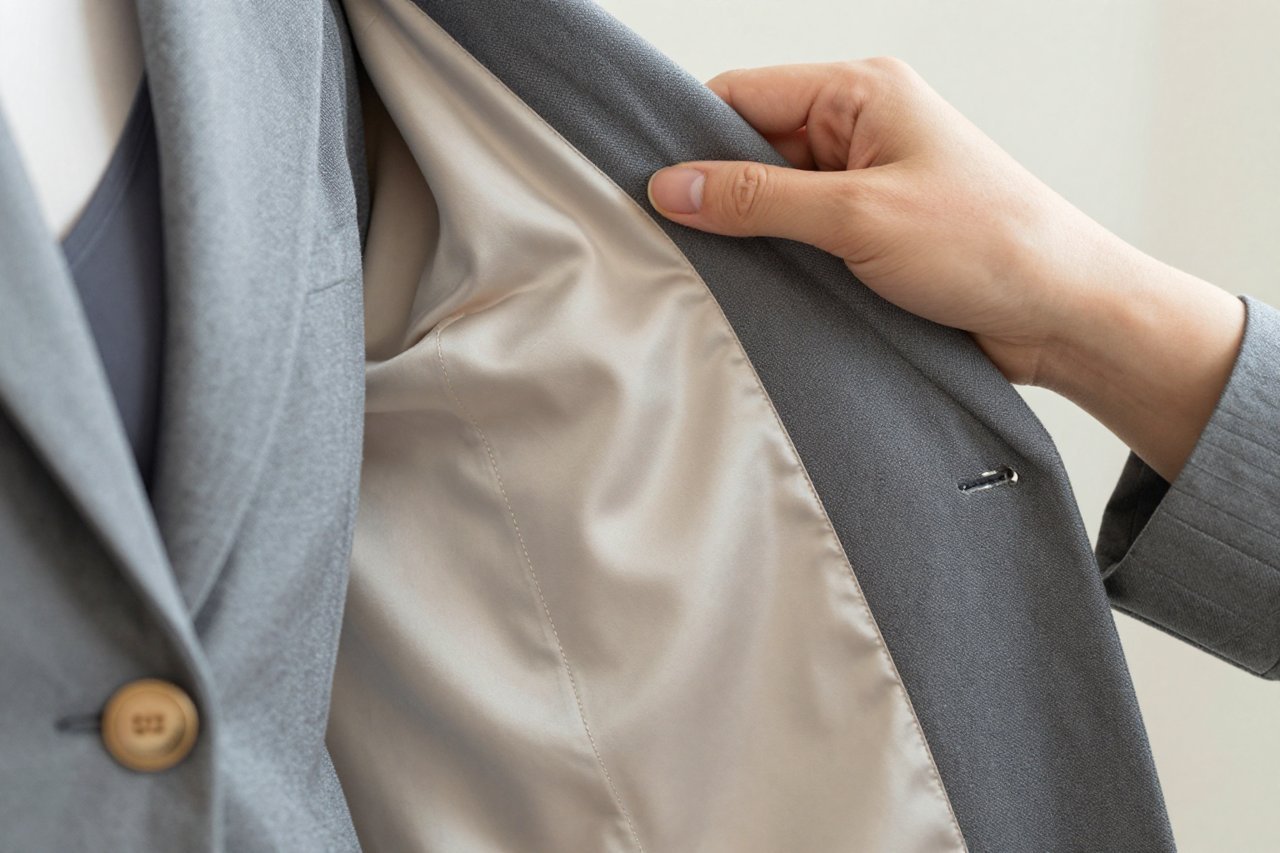
- Lining: Premium pieces use silk or viscose, not polyester. The lining should be finished with French seams—no raw edges.
- Buttons: Horn, mother-of-pearl, or metal. If they’re plastic, walk away.
- Zippers: Riri, Lampo, or YKK Excella are markers of quality. Cheap zippers catch and break.
- Pattern matching: On checked or striped fabric, the pattern should align perfectly at seams. That requires extra fabric and skill.
These details matter because they affect how the piece wears over time. A well-made garment only gets better with age—the leather softens, the wool mellows, the patina deepens.
Styling High End Pieces for Everyday
Luxury fashion doesn’t have to be reserved for special occasions. In fact, the most stylish people integrate it into daily life. A cashmere sweater with jeans. A silk scarf tied to a tote bag. Statement sandals with a simple linen dress.
Take a cue from summer trends: the best wedge thong sandals 2026 show how a designer shoe can lift an entire outfit. Pair them with cropped trousers or a midi skirt for effortless polish.
Even playful pieces like jelly sandals can work in a high-low mix. The trick is balance: one statement piece against a neutral backdrop. That creates contrast without looking costumey.
The Role of Exclusivity and Scarcity
Part of the allure of high end designer fashion is that not everyone can have it. Limited production runs, waiting lists, and made-to-order services create a sense of rarity. But that exclusivity also protects design integrity. When a brand produces fewer units, it can oversee every step of production.
Sneaker collaborations, for instance, drop in tiny batches. The hype is real—but so is the quality. Brands like Dior and Nike have partnered on sneakers that combine luxury leather with performance technology. Those releases sell out in minutes.
For the buyer, scarcity means you’re joining a small community of owners. That shared knowledge is part of the experience, from recognizing a rare colorway to appreciating an obscure archival reference.
Seasonal Highlights and Runway Moments
Fashion week remains the pulse of the industry. Each season, designers present collections that set the tone for what’s next. The fashion highlights and shared prizes at closing ceremony of recent shows reveal which trends gained traction—and which houses pushed boundaries.
For example, the Spring 2026 runways saw a return to sculptural tailoring. Oversized shoulders, cinched waists, and architectural draping dominated. That’s a shift from the relaxed silhouettes of previous years. It signals a desire for structure and confidence.
If you follow these moments, you can spot emerging themes early. Invest in a key runway piece—like a voluminous coat or a dramatic collar—and it will feel current for several seasons.
Where to Start Building Your Collection
If you’re new to high end designer fashion, start with accessories. They’re easier to wear, easier to maintain, and often hold value better than clothing. A leather belt, a silk twilly, or a pair of sunglasses can transform even basic outfits.
Then move to outerwear. A trench coat from Burberry or a leather jacket from Saint Laurent will serve you for years. Buy classic colors—beige, black, navy—and let the cut speak.
Experimentation comes later. Once you understand the fundamentals, you can explore avant-garde designers like Rick Owens or Comme des Garçons. But don’t skip the basics. A white cotton shirt from a luxury house feels entirely different from a department store version. The cotton is denser, the collar sits crisper, the mother-of-pearl buttons catch the light.
That tactile pleasure is the real point. High end designer fashion isn’t about status. It’s about surrounding yourself with objects made with care, skill, and intention. They make your daily life more beautiful—and that’s a luxury everyone deserves.


