
Table of Contents
If you love dogs but sneeze every time you’re near one, you’ve probably searched for a “hypoallergenic dog breed.” The term promises a pet that won’t trigger your allergies. But here’s the reality: no dog is truly 100% allergy-free. However, some breeds produce fewer allergens and can make life much easier for allergy sufferers. Let’s separate fact from fiction and look at which breeds actually help—and how to manage allergies even with a dog that sheds.
What Makes a Dog Hypoallergenic?
Allergies are caused by proteins found in dog dander (dead skin flakes), saliva, and urine. A dog’s hair itself isn’t the problem—it’s the dander and dried saliva that stick to the hair. Breeds often called hypoallergenic typically have hair that grows continuously (like human hair) rather than fur that sheds seasonally. This means less dander and saliva are released into your home. But no breed is guaranteed not to cause a reaction. Individual dogs vary, and people react differently.
Top Hypoallergenic Dog Breeds That Actually Work
These breeds are consistently recommended by veterinarians and allergy organizations. They produce less dander and drool less, which reduces allergen spread.
Poodle (All Sizes)
The Poodle is the gold standard for hypoallergenic breeds. Their curly, single-layer coat traps dander and doesn’t shed much. Toy, Miniature, and Standard Poodles all share this trait. They’re also highly trainable and come in many colors. However, they need regular grooming—every 4–6 weeks—to prevent matting. If you’re considering a Poodle mix like a Labradoodle, be cautious: mixed breeds aren’t always consistent. For a deeper look at popular breeds, check out our guide on top 7 dog breeds in the world to see how Poodles compare.

Bichon Frise
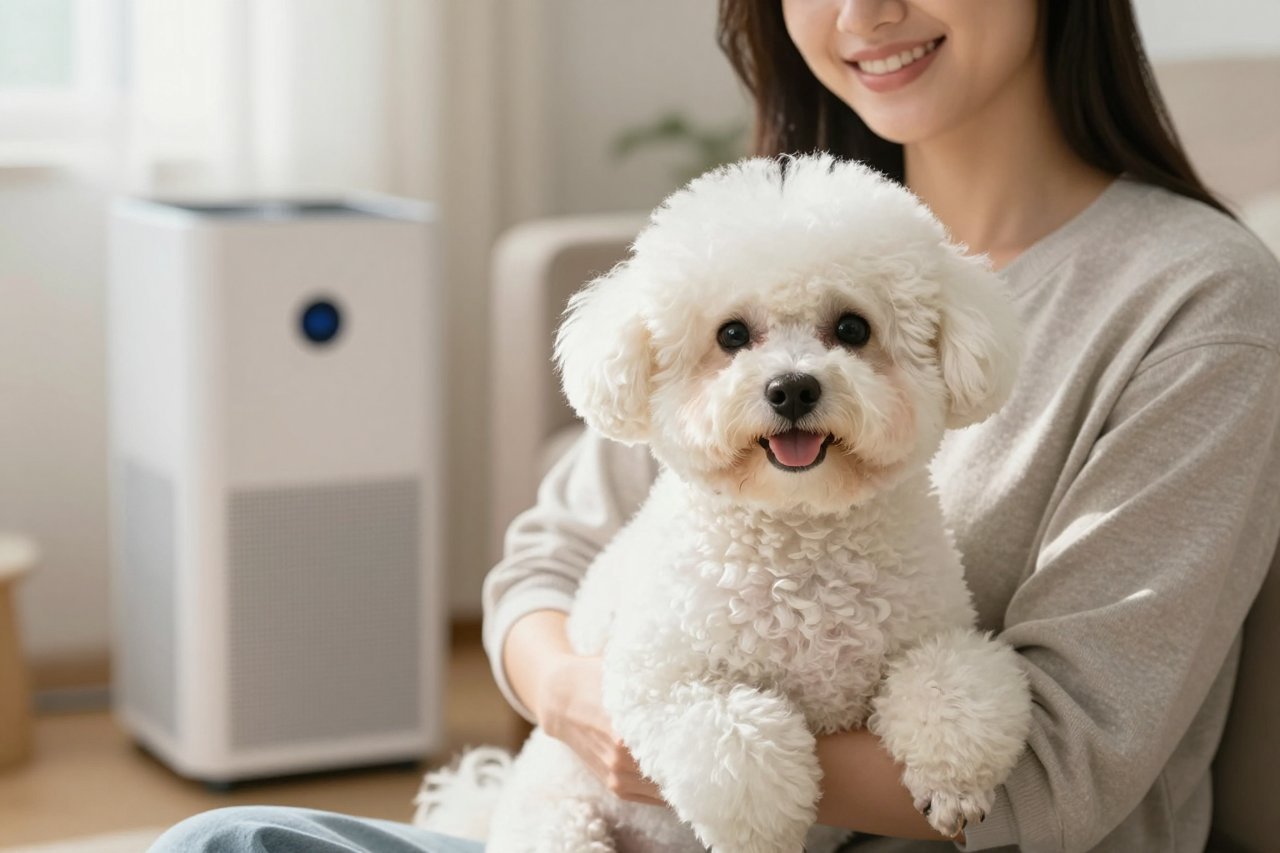
This small, fluffy white dog has a curly double coat that sheds very little. Bichons are cheerful, gentle, and great for apartments. They require daily brushing and monthly grooming. Their small size means less dander overall, making them a favorite for allergy sufferers.
Schnauzer (Miniature, Standard, Giant)
Schnauzers have a wiry, double coat that sheds minimally. Their distinctive beard and eyebrows can trap saliva, but regular cleaning helps. They are alert, intelligent dogs that adapt well to various living situations. Miniature Schnauzers are especially popular for allergy-prone owners.
Portuguese Water Dog
Made famous by the Obama family, this breed has a thick, curly coat that doesn’t shed. They are energetic, loyal, and love water. Portuguese Water Dogs need plenty of exercise and regular grooming. Their low-dander coat makes them a solid choice for allergy sufferers.
Maltese
The Maltese has a long, silky coat that is similar to human hair. They shed very little and produce less dander. However, their coat requires daily brushing to prevent tangles. Maltese dogs are affectionate lapdogs that thrive in calm homes.
Hypoallergenic Mixes: Jack Russell Terrier Mixes
Some mixed breeds can also be low-allergen. For example, certain Jack Russell Terrier crosses inherit a wiry coat that sheds less. If you’re interested in specific mixes, read about 4 hypoallergenic Jack Russell Terrier mixes that combine the terrier’s energy with a low-shedding coat.
Breeds That Are NOT Hypoallergenic (Despite Myths)
Many people assume short-haired dogs or those that don’t shed are safe. But dander is the real culprit. Breeds like the Labrador Retriever, German Shepherd, and Siberian Husky shed heavily and produce more dander. Even “hairless” breeds like the Chinese Crested can cause allergies because they still have dander and saliva. Always spend time with a breed before committing.
Tips for Living with a Dog When You Have Allergies
Choosing a hypoallergenic breed is just the first step. Here are practical ways to reduce allergens in your home:
- Bathe your dog weekly with a gentle, pet-safe shampoo to wash away dander.
- Use a HEPA air purifier in the rooms where your dog spends the most time.
- Wash your dog’s bedding weekly in hot water.
- Vacuum carpets and upholstery frequently with a vacuum that has a HEPA filter.
- Keep your dog out of the bedroom to create an allergen-free sleeping area.
- Consider allergy medications or immunotherapy if symptoms persist.
Grooming is especially crucial for high-maintenance coats. Some breeds require salon-level care; you can learn more about 13 high-maintenance dog breeds that require salon-level grooming to see if you’re up for the task.
Apartment Living and Hypoallergenic Breeds
Many hypoallergenic breeds are small to medium-sized, making them ideal for apartments. Breeds like the Bichon Frise, Maltese, and Miniature Schnauzer adapt well to limited space. However, even a larger Poodle can thrive in an apartment if exercised properly. For more suggestions, explore 7 best pets for apartments that includes low-allergen options.
Testing Your Reaction Before Committing
Before bringing a hypoallergenic dog home, spend time with the specific breed—or better yet, the individual dog. Ask breeders or shelters if you can visit multiple times. Some people react to one dog but not another of the same breed. Also, consider fostering first to test your allergies in a real living situation.
Grooming Is Non-Negotiable
Low-shedding coats require regular maintenance. If you skip brushing or professional grooming, mats can form, trapping dander and making allergies worse. Invest in quality grooming tools and establish a routine. If you’re a fan of unique gifts for dog lovers, you might enjoy celebrate your dog with these must-have gifts this National Pet Day—many items can help with grooming and allergy management.
Ultimately, finding the right hypoallergenic dog breed takes research and patience. No breed guarantees zero symptoms, but many people with mild to moderate allergies live comfortably with a Poodle, Bichon, or Schnauzer. Focus on the dog’s temperament, exercise needs, and grooming requirements as much as its allergen profile. With the right precautions, you can enjoy the companionship of a dog without constant sniffles.


