
Table of Contents
Leaving your dog behind while you travel can be nerve-wracking. You want them to be safe, happy, and well cared for. Whether you’re planning a vacation or a business trip, boarding a dog is a popular option, but it requires preparation to ensure it goes smoothly. This guide covers everything from selecting a facility to packing your pup’s bag, so you can relax knowing your furry friend is in good hands.
What Is Dog Boarding?
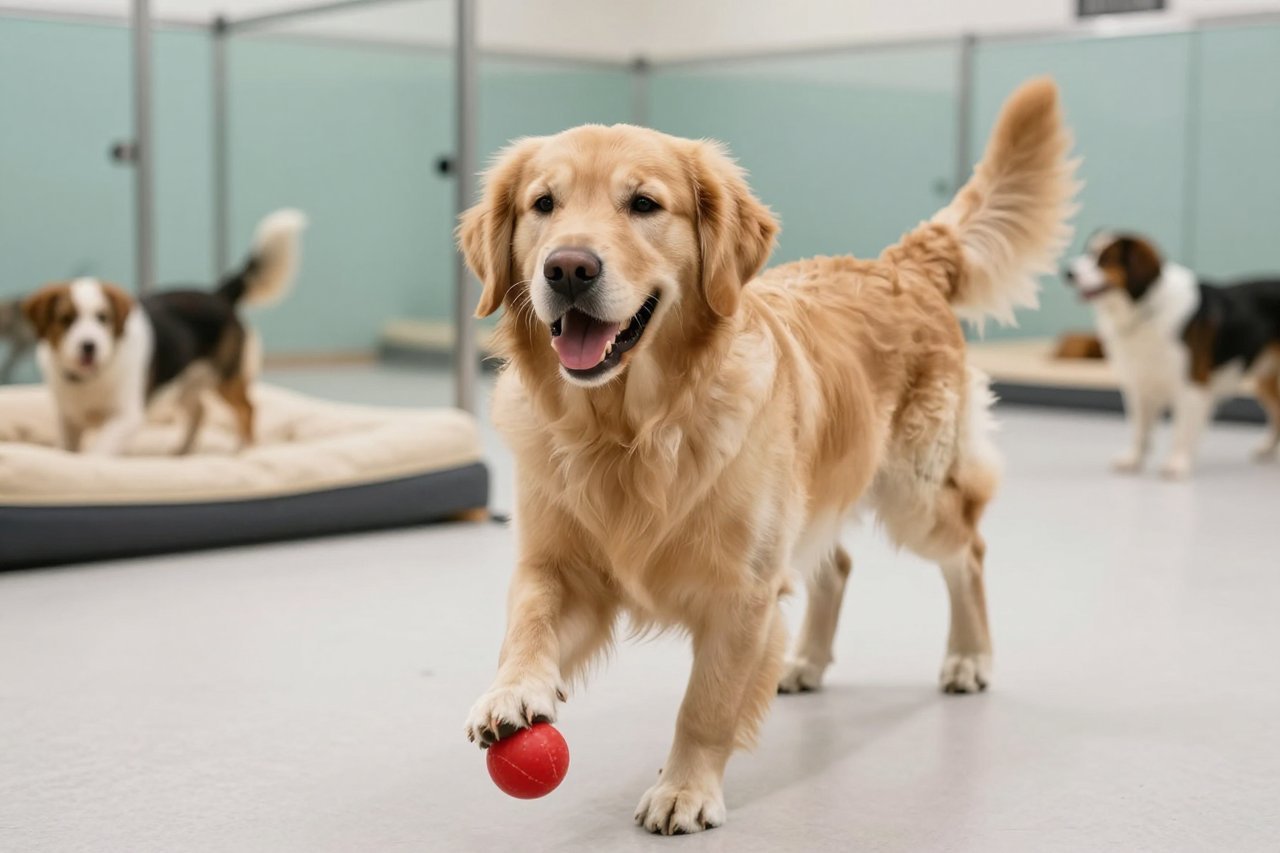
Dog boarding means your dog stays overnight at a facility designed to care for pets while you’re away. These range from basic kennels to luxury resorts offering suites, playtime, grooming, and even webcam access. Unlike pet sitting, where someone stays in your home or visits daily, boarding provides 24/7 supervision and socialisation with other dogs.
If you’re weighing options, you might want to read about pet sitting versus dog boarding pros and cons to decide which suits your dog best.
How to Choose the Right Boarding Facility
Not all boarding facilities are created equal. A little research goes a long way. Start by asking for recommendations from your vet, dog trainer, or fellow dog owners. Then, schedule visits to a few places. Here’s what to look for:

- Cleanliness and smell – A good facility should smell clean, not overwhelmingly of ammonia. Look for visible cleaning protocols.
- Staff-to-dog ratio – Ask how many staff members are on duty and how many dogs they supervise during playtime.
- Exercise and enrichment – How often do dogs get outdoor time? Are there toys, agility equipment, or structured activities?
- Emergency procedures – Do they have a vet on call? What happens if your dog gets sick or injured?
- Separation of dogs – Are dogs grouped by size, temperament, and play style? Aggressive dogs should be housed separately.
Trust your gut. If something feels off, keep looking. You can also check reviews online, but take overly negative or positive ones with a grain of salt.
Questions to Ask Before Booking
Before you commit, have a list of questions ready. For example, ask about vaccination requirements, whether they provide food or you need to bring your own, and what happens if your dog refuses to eat. For a comprehensive list, check out questions to ask before boarding your dog. It covers everything from medication administration to emergency contacts.
Preparing Your Dog for Boarding
Preparation starts weeks before drop-off. Here are key steps to make boarding a dog a positive experience:
Update Vaccinations and Health Records
Most facilities require proof of rabies, distemper, parvovirus, and Bordetella (kennel cough). Some also recommend the canine influenza vaccine. Get a copy of your dog’s records from your vet. If your dog is on medication, ensure the facility is comfortable administering it. You might also consider pet insurance for dogs to cover unexpected medical expenses during their stay.
Pack Familiar Items
Bringing items from home can ease anxiety. Pack your dog’s regular food (portion it in bags), a bed or blanket that smells like home, favorite toys, and a piece of your clothing. Avoid bringing anything you can’t afford to lose – toys get chewed or lost. Also, pack a leash, collar with ID tags, and any medications.
Do a Trial Run
If your dog has never been boarded, consider a short stay – one night or a day of daycare at the same facility. This introduces them to the environment without a long separation. Many facilities offer discounted trial stays.
For first-time boarders, 10 tips for your dog’s first boarding experience offers practical advice like starting with daycare and keeping your own anxiety in check.
What to Do on Drop-Off Day
On the day you board your dog, keep things calm and routine. Here’s a quick checklist:
- Feed your dog a light meal a few hours before – a full stomach can lead to car sickness.
- Exercise your dog beforehand so they are tired and more relaxed.
- Arrive with all paperwork, food, medications, and comfort items.
- Stay positive and cheerful. Dogs pick up on your emotions. A quick, confident goodbye is better than a long, anxious farewell.
Don’t linger. Hand over your dog to staff and leave. Most dogs settle down quickly once their owner is out of sight.
During the Stay: Staying Connected
Many facilities offer updates via text, email, or social media. Some have webcams so you can check in. If you’re worried, ask for a daily photo or brief message. But try not to overdo it – constant checking can increase your anxiety. Trust the staff you selected.
If you have a multi-dog household, boarding them together can reduce stress. Some kennels offer shared suites for dogs from the same home. Ask about this option if it applies.
Picking Up Your Dog and Aftercare
When you return, expect a happy reunion. Your dog might be extra excited, tired, or even a bit clingy. That’s normal. Here’s what to do after boarding a dog:
- Give them a quiet space to decompress. They may want to sleep a lot after the stimulation of boarding.
- Check for any signs of illness: coughing, sneezing, diarrhea, or lethargy. If you notice anything, contact your vet.
- Return to normal routines quickly – regular walks, meals, and bedtime help them readjust.
- Wash their bedding and toys to remove any kennel smells.
Most dogs bounce back within a day or two. If your dog seems stressed for longer, consider a different type of care next time, like a pet sitter.
Common Concerns and How to Address Them
Will My Dog Be Sad or Think I Abandoned Them?
Dogs live in the moment. They may be confused at first, but they adapt quickly, especially with good care and stimulation. They don’t hold grudges. Your happy reunion proves they missed you, not that they felt abandoned.
What About Kennel Cough?
Kennel cough is a risk in any group setting, like daycare or boarding. The Bordetella vaccine reduces severity but doesn’t guarantee prevention. Reputable facilities clean rigorously and isolate sick dogs. If your dog develops a cough after boarding, a vet visit is wise, but most cases resolve on their own.
Is Boarding Expensive?
Costs vary widely. Basic kennels might charge $25–$40 per night, while luxury suites can run $75–$150. Extras like grooming, training, or private playtime add up. Budget accordingly and ask about discounts for extended stays or multiple dogs. To save on other dog expenses, this secret Amazon hack could save you up to 50% on dog essentials, freeing up money for boarding costs.
Alternatives to Traditional Boarding
If boarding doesn’t seem right for your dog, consider alternatives. In-home pet sitting keeps your dog in their familiar environment. Some vets and trainers offer boarding with medical expertise. Or you could trade pet care with a trusted friend. Each option has trade-offs in cost, convenience, and stress levels.
For example, a shy or anxious dog might do better at home with a sitter, while a social, energetic dog often thrives in a boarding environment with playmates. Think about your dog’s personality first.
Final Preparation Checklist
Before you go, run through this list:
- ✔ Confirm reservation and facility hours.
- ✔ Pack food, meds, bed, toys, leash, collar with tags.
- ✔ Bring vaccination records and emergency contact info.
- ✔ Provide written instructions for feeding, medication, and routine.
- ✔ Leave your itinerary and a backup contact for the facility.
Boarding a dog doesn’t have to be stressful. With the right facility and thorough preparation, both you and your dog can enjoy the separation. Your dog gets a mini-vacation with new friends, and you get peace of mind. Safe travels!


