
Table of Contents
Korean skincare has taken the world by storm, but it’s more than just a trend. At its heart is a philosophy that treats skincare as self-care, not a chore. The goal isn’t to fix problems overnight but to maintain healthy, radiant skin over time. This approach, often called the “Korean skincare routine,” has evolved from centuries of traditional herbal remedies and modern K-beauty innovation.
What Makes Korean Skincare Different?
Western skincare often focuses on active ingredients and quick fixes—think retinol for wrinkles or benzoyl peroxide for acne. Korean skincare, on the other hand, emphasizes prevention, hydration, and gentle nourishment. The famous 10-step routine might sound overwhelming, but it’s really about layering lightweight, hydrating products to build a strong skin barrier.
The key difference lies in the philosophy: instead of stripping the skin to fix it, you give it what it needs to thrive. This means fewer harsh actives and more soothing ingredients like centella asiatica, snail mucin, and green tea.
The Core Steps of a Korean Skincare Routine
While no two routines are identical, most Korean skincare enthusiasts follow a similar sequence. You can tailor it to your skin type and concerns. For a deeper breakdown of each step, check out our step-by-step guide to building a skincare routine that works.

1. Oil-Based Cleanser
Double cleansing is the foundation of Korean skincare. The first step uses an oil-based cleanser to dissolve sunscreen, sebum, and waterproof makeup. Massage it into dry skin, then emulsify with water—it rinses clean without stripping.
2. Water-Based Cleanser
Next, a gentle foaming or cream cleanser removes any leftover residue. Look for low-pH formulas (pH 5.5 or so) to keep your acid mantle happy.
3. Exfoliation (1-2 times per week)
Chemical exfoliants like AHAs and BHAs are preferred over harsh physical scrubs. They slough off dead cells without micro-tears. Start with a low concentration (e.g., 5% lactic acid) and build up.
4. Toner
In Korean skincare, toners are hydrating, not astringent. They prep the skin for better absorption of subsequent products. Essences, which are lighter than toners, also fall into this step.
5. Ampoules and Serums
This is where targeted treatment happens. Ampoules are highly concentrated, while serums are slightly less potent. Use one or two based on your concerns—vitamin C for brightening, hyaluronic acid for hydration, or niacinamide for pore care.
6. Sheet Masks
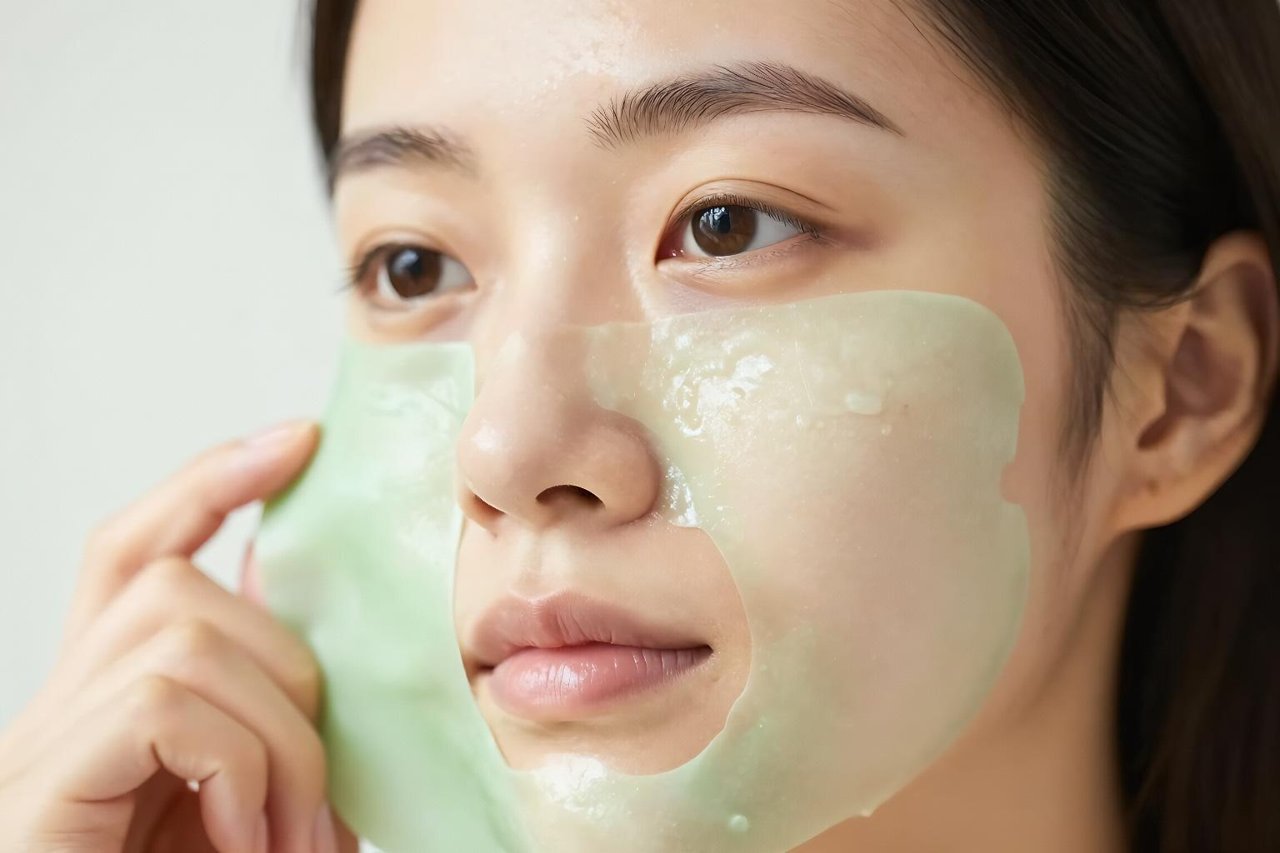
Sheet masks are a quintessential K-beauty step. They deliver a boost of ingredients in a short time—use them 1-3 times a week. The fabric traps moisture, allowing deeper penetration.
7. Eye Cream
A dedicated eye cream addresses the delicate under-eye area. Look for caffeine to depuff or peptides for firmness.
8. Moisturizer
Seal everything in with a moisturizer. Gel creams work for oily skin; richer creams suit dry skin. Don’t skip this even if your skin is oily—hydration keeps oil production balanced.
9. Sunscreen (Morning Routine)
Every morning, finish with SPF 30 or higher. Korean sunscreens are famously lightweight and cosmetically elegant—no white cast. Reapply during the day if you’re outdoors.
Key Ingredients in Korean Skincare
Korean skincare is famous for unique, often fermented ingredients. Here are some stars:
- Snail Mucin: Packed with glycoproteins, hyaluronic acid, and antimicrobial peptides. It hydrates, soothes, and repairs.
- Centella Asiatica (Cica): A powerhouse for calming inflammation and healing wounds. Great for sensitive or acne-prone skin.
- Fermented Yeast: Rich in amino acids and vitamins, it improves skin texture and radiance. Think sake or kombucha for your face.
- Green Tea: Antioxidant-rich, it protects against environmental damage and controls sebum.
- Hyaluronic Acid: A humectant that holds 1,000 times its weight in water. A staple for plump, hydrated skin.
For a comprehensive overview of popular brands and products, see our ultimate guide to Korean brand skincare.
How to Customize Your Routine
Not everyone needs 10 steps. If you have oily skin, skip the heavy cream. If you’re dry, add an extra hydrating step. Listen to your skin—if it feels tight, scale back on exfoliation. The beauty of Korean skincare is its flexibility. You can mix and match products from different brands. For example, if you’re looking for targeted treatments, the Medicube line offers affordable, effective options that converted many K-beauty skeptics.
For Acne-Prone Skin
Focus on gentle cleansing, non-comedogenic products, and ingredients like tea tree oil, salicylic acid, and centella. Avoid heavy oils. A lightweight gel moisturizer works best.
For Dry or Dehydrated Skin
Layer hydrating toners and essences. Use a rich cream and consider adding a facial oil. Sheet masks weekly can make a big difference.
For Aging Concerns
Incorporate retinol (start low), peptides, and antioxidants. Sunscreen is non-negotiable. Korean anti-aging products often include ginseng and fermented ingredients.
Korean Skincare Beyond the Face
The philosophy extends to the body and hair. Korean body scrubs, like those from Italy towels, exfoliate and smooth skin. If you want to try them, check out our list of best Korean body scrubs according to experts. For hair, Korean hair care products focus on scalp health and shine—think rice water rinses and protein treatments. The secret to glossy locks might be in these Korean hair care products.
Myths About Korean Skincare
Let’s bust a few common misconceptions. First, you don’t need to spend a fortune. Many Korean drugstore brands like Cosrx, Etude House, and Innisfree are affordable and effective. Second, the 10-step routine isn’t mandatory—you can use just 4-5 steps and still see results. Third, “natural” doesn’t always mean better; some natural ingredients can be irritating. Always patch-test.
Another myth: Korean skincare is only for women. Not true. Men in South Korea are major consumers of skincare, with routines often including multiple steps. The focus is on healthy skin, not gender.
How to Shop Smart for K-Beauty
With so many brands, it’s easy to get overwhelmed. Start by identifying your skin type and main concern. Read ingredient lists—look for the key ingredients mentioned above. Check reviews and buy from reputable sellers to avoid fakes. If you’re in the US, sites like YesStyle, Jolse, and Soko Glam are reliable. In the UK, look for Boots or Cult Beauty.
Keep an eye out for deals, especially around holidays. For example, Cyber Monday often brings steep discounts on K-beauty favorites.
Building Your Own Routine: A Simple Start
If you’re new to Korean skincare, start with three essentials: a gentle cleanser, a hydrating toner or essence, and a moisturizer with SPF for daytime. Add an oil cleanser for double cleansing at night. Once you’re comfortable, introduce a serum or ampoule. The key is consistency—use products daily for at least four weeks to see changes.
Remember, skin cell turnover takes about 28 days. Be patient. Korean skincare is a journey, not a race. The glow comes from caring for your skin day after day, not from any single miracle product.


