
Table of Contents
Scalp psoriasis can be stubborn, itchy, and embarrassing. The silvery scales and redness don’t just affect your scalp—they can spread to your forehead, neck, and behind your ears. But here’s the good news: with the right approach, you can control flare-ups and keep symptoms at bay. This guide walks you through the most effective scalp psoriasis treatments, from over-the-counter options to prescription therapies, along with practical tips for daily management.
Understanding Scalp Psoriasis
Scalp psoriasis is an autoimmune condition that causes skin cells to multiply too quickly. Instead of shedding normally, they pile up into thick, silvery patches. It’s not contagious, but it can be chronic and unpredictable. About half of people with psoriasis have it on their scalp, and for some, it’s the only affected area.
Symptoms include red patches covered with silvery scales, itching, burning, and temporary hair loss from scratching or harsh treatments. The severity varies—some have mild flaking similar to dandruff, while others have thick, crusted plaques.
Over-the-Counter Treatments
For mild to moderate cases, you can start with products you find at the drugstore. These are often the first line of defense.

Medicated Shampoos
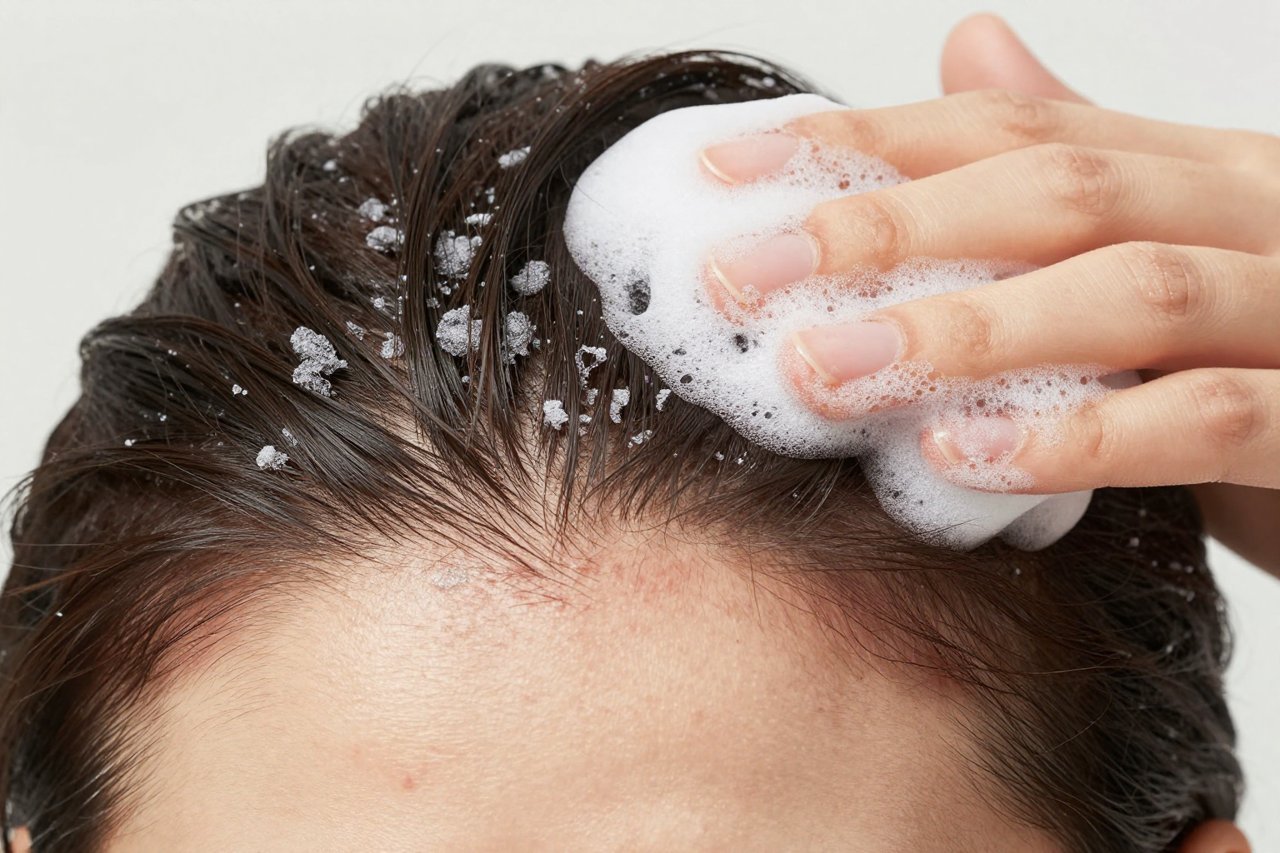
Look for shampoos containing active ingredients like salicylic acid, coal tar, or selenium sulfide. Salicylic acid helps soften and remove scales, while coal tar slows skin cell growth and reduces inflammation. Selenium sulfide targets the yeast that can worsen scaling. Use these as directed—usually 2-3 times per week—and follow with a conditioner to prevent dryness.
One common mistake is expecting results overnight. Medicated shampoos need consistent use for several weeks to show improvement. Also, avoid scrubbing too hard; let the shampoo sit on your scalp for 5-10 minutes before rinsing.
Scalp Oils and Lotions
Oils containing salicylic acid, lactic acid, or urea can soften thick scales. Apply them directly to plaques, cover with a shower cap for an hour or overnight, then gently comb out loosened scales. For itching, lotions with menthol or camphor provide temporary relief.
Prescription Treatments
If OTC products aren’t enough, your dermatologist can prescribe stronger options.
Topical Corticosteroids
These are the mainstay of prescription treatment. They reduce inflammation and slow skin cell turnover. For the scalp, doctors often prescribe solutions, foams, or sprays that are easy to apply without messing up your hair. Potency varies, so use them exactly as directed—overuse can thin the skin. Typically, you apply once or twice daily for 2-4 weeks, then taper off.
Vitamin D Analogues
Calcipotriene (a form of vitamin D) helps normalize skin cell growth. It’s available as a solution or cream and is often combined with a corticosteroid for better results. Side effects are minimal, usually mild irritation.
Topical Retinoids
Tazarotene is a vitamin A derivative that reduces scaling and inflammation. It can be irritating, so it’s often used in short bursts or combined with a moisturizer. Apply a thin layer to plaques at night.
Calcineurin Inhibitors
Tacrolimus and pimecrolimus are steroid-free options that suppress the immune response. They’re useful for sensitive areas like the face or skin folds, and they don’t cause skin thinning. However, they carry a black box warning about a potential cancer risk, so they’re usually reserved for short-term use.
Phototherapy
UVB light therapy can effectively clear scalp psoriasis. You can receive treatments at a dermatologist’s office or use a home unit. The scalp can be tricky because hair blocks light, but special combs or handheld devices with UVB bulbs can part the hair and expose the skin. Typically, you need 2-3 sessions per week for several months. Phototherapy is safe and doesn’t have the side effects of systemic medications.
Systemic Medications
For severe scalp psoriasis that doesn’t respond to topicals or light, oral or injectable medications may be necessary. Methotrexate, cyclosporine, and acitretin are traditional options, but they require regular blood tests due to potential side effects. Biologics—like adalimumab, etanercept, and secukinumab—target specific parts of the immune system and are highly effective. They’re usually reserved for moderate to severe disease that affects quality of life.
Lifestyle and Home Remedies
Beyond medical treatments, daily habits can make a big difference.
Gentle Hair Care
Use lukewarm water (hot water worsens itching), and avoid harsh shampoos with sulfates or alcohol. Brush gently with a soft-bristle brush to remove scales without damaging skin. Avoid tight hairstyles that pull on the scalp, and don’t pick at plaques—this can cause bleeding and infection.
Moisturize Regularly
A dry scalp can trigger flare-ups. Apply a fragrance-free moisturizer or scalp oil after washing. Aloe vera gel, coconut oil, and jojoba oil are popular natural options. For thick scales, consider apple cider vinegar diluted with water (1:1 ratio) as a rinse—but avoid open sores.
Manage Triggers
Stress, infections, cold weather, and certain medications (like beta-blockers or lithium) can trigger flare-ups. Keep a diary to identify your personal triggers. Stress management through meditation, exercise, or therapy can help reduce episodes. Also, avoid alcohol and smoking, as both are linked to worse psoriasis.
Diet and Supplements
While diet alone won’t cure scalp psoriasis, some people find relief with anti-inflammatory foods. Omega-3 fatty acids (from fish oil or flaxseed) may reduce inflammation. Vitamin D supplements can help, especially if you have low levels. Some studies suggest a gluten-free diet benefits those with gluten sensitivity, but there’s no strong evidence for everyone.
Always talk to your doctor before starting supplements, especially if you’re on prescription medications.
When to See a Dermatologist
If OTC treatments haven’t helped after 6-8 weeks, or if the itching is unbearable, it’s time to see a specialist. Also, if you notice signs of infection—like oozing, crusting, or swelling—seek medical care. A dermatologist can confirm the diagnosis, as scalp psoriasis can look similar to seborrheic dermatitis or dandruff. In fact, many people confuse it with dandruff, but psoriasis tends to have thicker, more defined plaques.
Your dermatologist will consider the extent of your psoriasis, your hair type, and your lifestyle when recommending a treatment plan. For example, thick hair might require a foam or solution rather than a cream. They can also help you differentiate scalp psoriasis from ringworm, which is a fungal infection that requires antifungal treatment.
Managing Flare-Ups
Even with treatment, flare-ups can happen. Have a plan: at the first sign of itching or redness, apply your topical medication. Avoid scratching—instead, use a cool compress or an anti-itch lotion. If you’re experiencing a severe flare, your doctor might prescribe a short course of a stronger steroid or an oral medication.
Remember that scalp psoriasis is a chronic condition, so the goal is to manage it long-term. Many people achieve clear or near-clear skin with the right combination of treatments. And while there’s no cure, you can keep symptoms under control and enjoy a normal life.
For more on general psoriasis management, check out our practical guide to psoriasis treatment. And if you’re dealing with itching and scaling elsewhere on the body, our psoriasis removal and beauty tips offer additional advice.
If you’re ever unsure about a new symptom—like a sore that won’t heal—it’s always wise to get it checked. While scalp psoriasis is benign, it’s important to rule out other conditions like squamous cell carcinoma, especially if you have a history of sun exposure or light skin.


