
Table of Contents
Retinol cream has earned its reputation as a gold standard in skincare, and for good reason. Backed by decades of research, this vitamin A derivative can visibly reduce fine lines, smooth texture, and even out skin tone. But with so many formulations and conflicting advice, it’s easy to feel overwhelmed. Whether you’re a retinol newbie or looking to level up your routine, this guide covers the science, the strategy, and the best way to incorporate it without irritation.
What Exactly Is Retinol Cream?
Retinol belongs to the retinoid family, which includes everything from over-the-counter retinol to prescription-strength tretinoin. When applied topically, retinol converts to retinoic acid in the skin, accelerating cell turnover and boosting collagen production. The result? A smoother, firmer, more radiant complexion over time.
Unlike some active ingredients that work on the surface, retinol penetrates deeper, influencing how skin cells behave. That’s why it’s often called the “workhorse” of anti-aging—it addresses multiple concerns at once: fine lines, sun damage, enlarged pores, and uneven texture.
Retinol vs. Retinoids: What’s the Difference?
Retinol is a type of retinoid, but not all retinoids are retinol. Prescription retinoids like tretinoin are stronger and work faster, but also cause more irritation. Over-the-counter retinol is milder, making it a better starting point for most people. If your skin is particularly sensitive, you might explore retinol alternatives for sensitive skin that offer similar benefits with less risk of redness or peeling.

Key Benefits of Using Retinol Cream
Consistent use of retinol cream yields measurable improvements. Here’s what you can realistically expect:
- Reduces fine lines and wrinkles: By stimulating collagen, retinol plumps skin and softens expression lines, especially around the eyes and mouth.
- Improves skin texture and tone: Faster cell turnover sloughs off dead cells, revealing smoother skin and fading dark spots from sun exposure or acne scars.
- Unclogs pores and reduces breakouts: Retinol normalises the shedding of cells inside pores, preventing blockages that lead to blackheads and pimples.
- Boosts glow: Regular use increases blood flow to the skin, giving a healthy, lit-from-within look.
How to Start Using Retinol Cream Without Wrecking Your Skin
Patience is non-negotiable. Jumping in too fast is the number one reason people give up on retinol. Follow these steps to build tolerance safely.
Step 1: Choose the Right Strength
Start with a low concentration—0.25% to 0.3% is ideal for beginners. You can gradually move up to 0.5% or 1% after a few months. Many brands offer a range, so you can step up as your skin adapts. If you’re unsure where to begin, check out our curated list of best retinol serums and creams for 2025 to find a product that matches your skin type and goals.
Step 2: Apply to Dry Skin
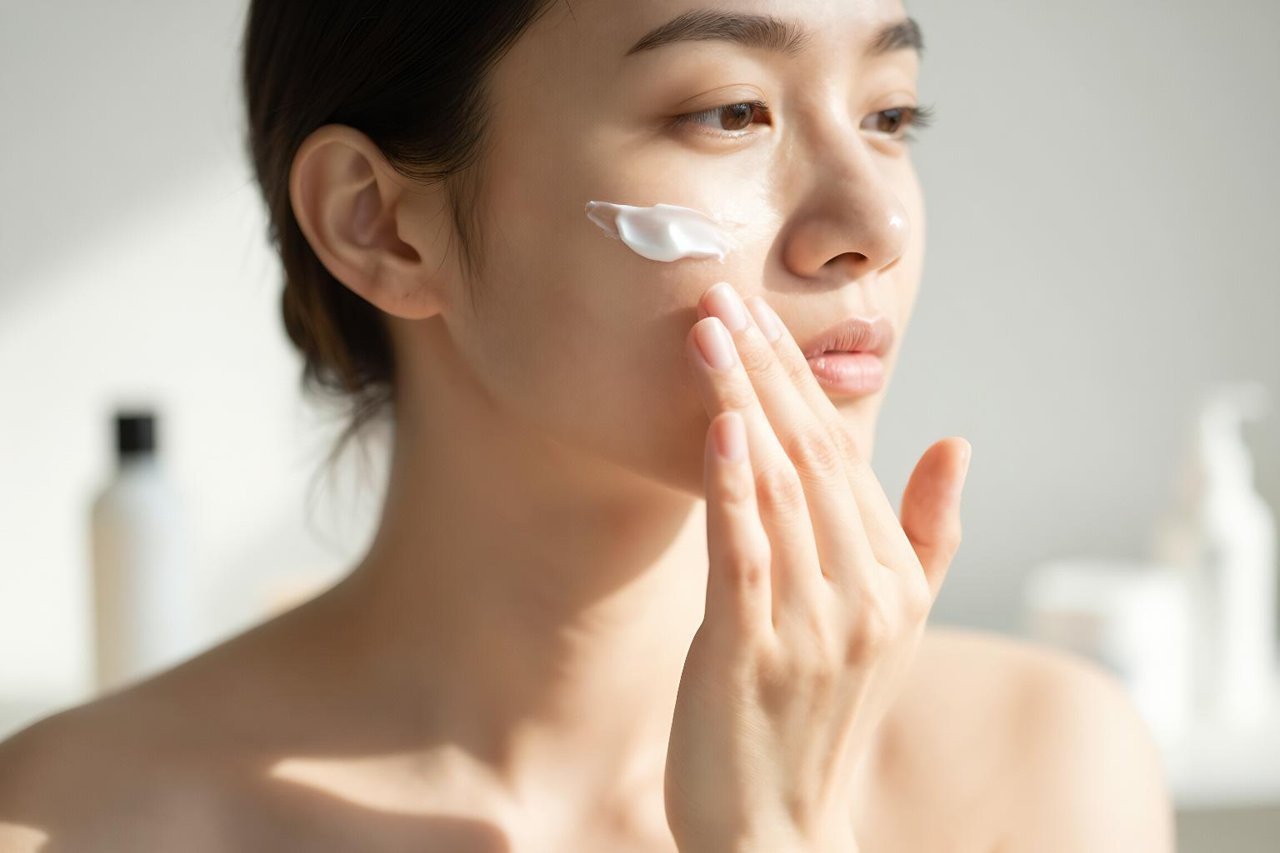
After cleansing, wait at least 20 minutes until your face is completely dry. Retinol on damp skin absorbs too deeply, increasing irritation risk. Then apply a pea-sized amount, avoiding the eye area and corners of the nose.
Step 3: Start Slow
Use retinol cream only twice a week for the first two weeks. If no redness or peeling occurs, increase to every other night. After a month, you can likely use it nightly. Many people find that every other night is sufficient for maintaining results without irritation.
Step 4: Moisturise and Protect
Retinol can be drying, so apply a rich moisturiser after it dries. In the morning, always use SPF 30 or higher—retinol makes skin more sensitive to UV damage. Sunscreen isn’t optional; it’s essential.
Common Side Effects and How to Manage Them
Even with a gentle approach, you may experience some “retinisation” in the first few weeks: redness, flaking, dryness, or a slight stinging sensation. This is normal and temporary. To minimise discomfort:
- Use a hydrating cleanser and avoid harsh exfoliants (AHAs, BHAs, physical scrubs) until your skin adjusts.
- Consider the “sandwich method”: apply moisturiser, then retinol, then another layer of moisturiser. This buffers the active without reducing efficacy.
- If irritation persists, skip a night and focus on soothing ingredients like ceramides, niacinamide, or centella asiatica.
For the delicate eye area, consider a dedicated product. Our guide to peptide eye creams for fine lines offers alternatives that target crow’s feet without the irritation retinol can cause near the eyes.
Who Should Avoid Retinol Cream?
While retinol is safe for most people, certain groups should skip it or consult a dermatologist first:
- Pregnant or breastfeeding women: Retinoids are linked to birth defects, so avoid all forms during pregnancy.
- Those with active eczema, rosacea, or very sensitive skin: Retinol can exacerbate inflammation. Milder alternatives may be better.
- Anyone currently using prescription retinoids: Double-check with your doctor before layering OTC retinol.
If you have sensitive skin, you might explore retinol alternatives that provide similar collagen-boosting effects with less irritation.
Can You Use Retinol Around the Eyes and Neck?
Yes, but with caution. The skin around your eyes is the thinnest on your body, making it prone to irritation. Use a lower-strength formula or a dedicated retinol eye cream. Many people find that a gentle eye cream works better for this area. For the neck, the same rules apply: start low, go slow, and always moisturise. Our best eye creams for 2024 list includes options with retinol for those who want to target fine lines around the eyes safely.
How Long Until You See Results?
Retinol is not an overnight miracle. Most people notice improvement in skin texture and glow within 4–6 weeks. For fine lines and dark spots, expect 3–6 months of consistent use. The key is sticking with it—skipping nights slows progress. After about six months, you’ll likely see a visible difference in firmness and evenness. And because collagen production continues to improve, results build over years.
Pairing Retinol with Other Active Ingredients
Retinol can be combined with certain ingredients for enhanced results, but avoid mixing it with strong acids or vitamin C at the same time. A good routine might be:
- Morning: Vitamin C serum, moisturiser, SPF.
- Evening: Gentle cleanser, retinol cream, moisturiser.
Niacinamide works beautifully with retinol, reducing irritation while brightening skin. Peptides also complement retinol—they support collagen synthesis from a different angle. For the neck and décolletage, retinol creams can help with sagging. Check out options for neck lifting creams if you’re targeting that area specifically.
Choosing the Right Retinol Cream for Your Skin Type
Not all retinol creams are created equal. Formulation matters as much as percentage. Look for:
- Encapsulated retinol: Delivers the ingredient gradually, reducing irritation.
- Soothing ingredients: Bisabolol, allantoin, or licorice root can calm the skin.
- Stable packaging: Retinol degrades in light and air, so opt for airless pumps or opaque tubes.
For oily or acne-prone skin, a gel-based retinol cream works well. Dry or mature skin benefits from a creamier formula with added ceramides or squalane. Combination skin can use a lightweight lotion. Always patch test before committing.


