
Table of Contents
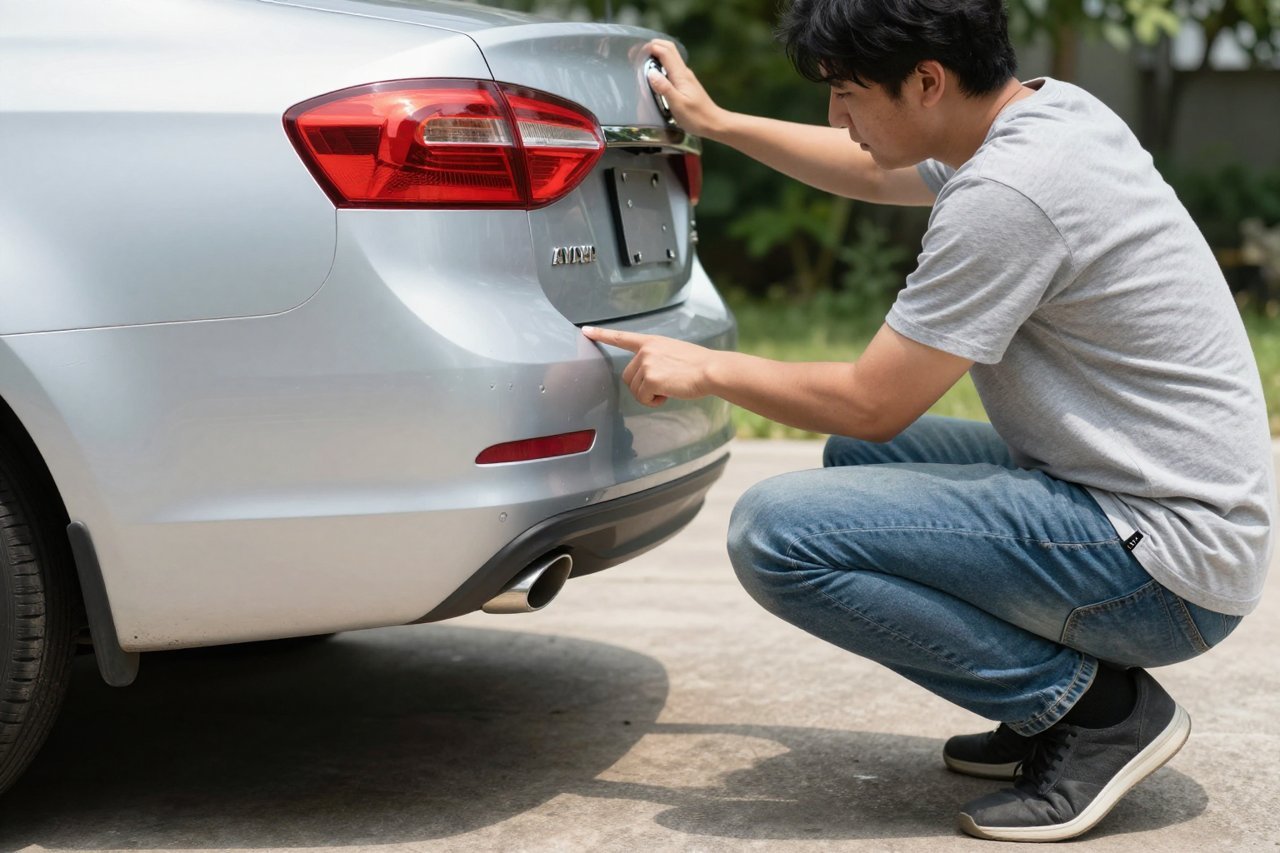
On a Tuesday morning, a delivery van ran a stop sign and caved in the side of Alisha’s sedan. The driver admitted fault. Her insurance company paid for a rental car and the repairs, because she had the right kind of auto insurance with coverage that matched her circumstances. If she’d carried only the state minimum, she would have been writing her own check to the body shop.
Auto insurance is easy to ignore until the moment you need it. By then, it’s too late to adjust your limits. This guide walks you through the parts that matter, the costs that don’t, and the decisions that put money back in your pocket.
What Auto Insurance Really Covers
Standard car insurance isn’t one product. It’s a package of protections, and each has its own price tag and purpose. When you hear “full coverage,” that usually means a combination of liability, collision, and comprehensive.
Liability Coverage
Liability pays for damage you cause to another person’s car or body. It doesn’t touch your own vehicle. Most states require a minimum amount, but those minimums can leave you exposed. A simple rear-end accident with injuries can generate medical bills in the tens of thousands. If your liability limit is $25,000, the rest comes out of your pocket.

Collision and Comprehensive
Collision fixes your car after you hit a car, a guardrail, or a pothole. Comprehensive covers non-crash damage such as theft, hail, fire, or a deer jumping into your hood. On a car worth $4,000, the annual premium for both might cover half the car’s value in a few years. Knowing what to skip can be smarter than blindly keeping every coverage. For a detailed breakdown on what’s worth buying and what’s not, look at car insurance basics that separate useful extras from waste.
Uninsured Motorist Coverage
Uninsured motorist coverage protects you when someone hits you and has no insurance, or not enough. It’s required in some states and optional in others. Given that roughly one in eight drivers has no coverage, paying a small premium for this protection is usually worth it.
How Much Auto Insurance Do You Actually Need?
Ask ten people for advice and you’ll get eleven opinions. A better question: what’s the worst-case financial hit you could survive? If you cause a crash that leaves someone with permanent injuries, the costs can run far beyond state minimums. A common recommendation is 100/300/50: $100,000 in bodily injury coverage per person, $300,000 per accident, and $50,000 in property damage. The price difference between that and a 25/50/25 minimum is often less than a fast-food meal each month.
If you lease or finance your car, your lender will set the required coverages. Once the loan is paid off, you can reassess. Collision and comprehensive on a 12-year-old car may cost more in a few years than the car’s actual value.
Why Your Rates Vary (and What You Can Control)
Insurance companies price risk, not fairness. Two neighbors with identical cars and clean records can receive very different premiums. The factors that give them pause include your age, ZIP code, credit-based insurance score, claim history, annual mileage, and even whether you’ve had a lapse in coverage. Some of these are outside your control. A few aren’t.
Your driving record is the obvious one. A single speeding ticket can raise your rate by 20 percent or more. You can also control your annual mileage; telling your insurer you now drive 6,000 miles a year instead of 18,000 can open the door to a low-mileage discount. Raising your deductible from $500 to $1,000 typically cuts your collision and comprehensive premium by up to 20 percent, though it means more out-of-pocket when you do file.
Smart Ways to Save on Auto Insurance
The biggest discount often comes from shopping around. Insurance companies don’t reward loyalty the way they used to. Instead, they raise rates each year to account for inflation and their own losses, assuming you won’t leave. That’s why getting fresh car insurance quotes every twelve months is the most reliable way to reset your premium.
When comparing quotes, make sure you’re comparing the same coverage levels and deductibles. A cheap quote that offers a lower liability limit isn’t a deal; it’s a trap. If you want a step-by-step approach to this, our guide on getting insurance quotes that actually save money covers what to ask and where to look.
Along with shopping, look for discounts you’re not getting:
- Bundling: Combining auto with home or renters insurance can cut both premiums by 15 percent or more. If you own a home, bundling is one of the easiest savings levers. See how to approach it with bundling home and auto insurance the smart way.
- Good driver: Three years without an accident or a moving violation usually qualifies you.
- Good student: A B average or better can earn a discount for drivers under 25.
- Paid in full: Paying the whole six-month premium upfront instead of monthly can reduce the total by 5 to 10 percent.
- Defensive driving: Many state-accepted courses knock 5 percent off, and the certificate lasts for a few years.
If you’re still seeing high rates, don’t settle for bare-minimum coverage just to get a lower number. There’s a proper way to lower your bill while keeping the protection you need, and it’s more about choosing the right carrier and adjusting the right details. Our guide to finding cheap car insurance without sacrificing coverage goes deeper into the strategy.
The Fine Print That Trips People Up
Your policy’s exclusions matter as much as its promises. Here are a few surprises that catch people off guard:
- Using your car for work: If you do food delivery or rideshare, a personal auto policy may not cover those trips. Some states require a separate rideshare endorsement.
- Aftermarket parts: Custom wheels, a sound system, or a lift kit are not automatically covered for full replacement cost. You’d need extra coverage.
- Rental cars: Rental reimbursement isn’t part of a standard policy. If your car is in the shop, your insurer pays for the repair, not a rental car, unless you add the endorsement.
- Friends driving your car: If you let a friend borrow your car and they crash it, your insurance follows the car, not the driver. Your rates can go up even if you weren’t in the vehicle.
When to Revisit Your Policy
Your life changes, and so should your insurance. Get married? Rates can go down. Move to a zip code with lower crash and theft rates? Premiums may follow. Retire and stop commuting? Removing your commute miles can save money.
Also, review your deductibles every few years. A $1,000 deductible makes sense if you have cash set aside for a minor repair. If that emergency fund doesn’t exist, a $500 deductible is worth the higher premium until you build one. The same goes for adding an older driver to your policy or taking a teen off after they move away. Every driver change affects your rate.
Set a calendar reminder to re-quote your auto insurance annually. It’s a ten-minute task that can save you hundreds. The moment you stop treating your policy like a set-and-forget bill, you start controlling what you pay and what it pays you back.


