
Table of Contents
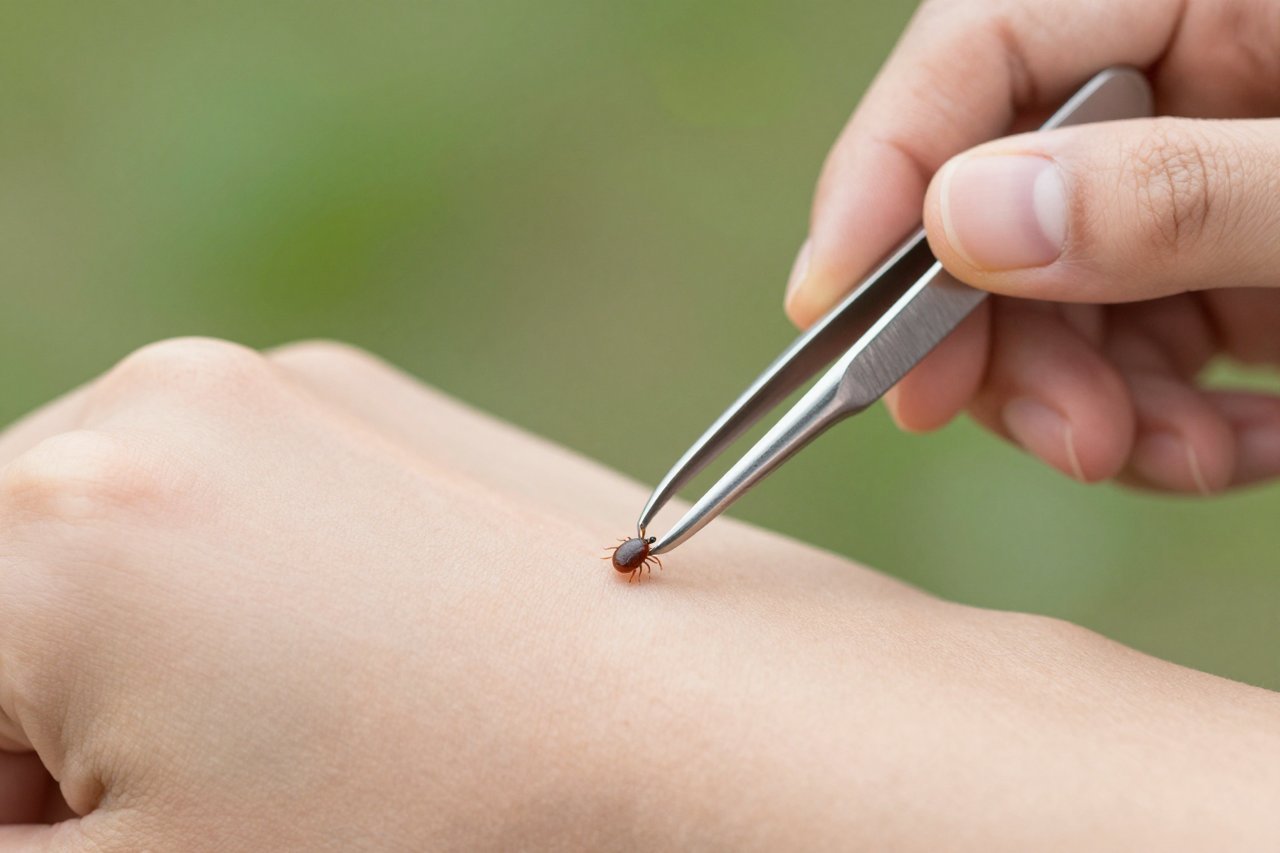
You pull out a pair of tweezers and stare at the tiny brown speck that’s been buried in your leg. A tick. Does this mean antibiotics? Whether you found it on yourself or your child, the next step is clear: get it checked, get tested if symptoms appear, and know what treatment looks like. Lyme disease is the most common vector-borne illness in the United States, with over 476,000 Americans diagnosed each year. The good news is that, when caught early, Lyme disease treatment is straightforward and often completely curative. The confusing part comes when symptoms linger after a standard course of medicine.
Early Localized Lyme Disease: The Window That Matters Most
If you are treated within the first month, oral antibiotics will almost always clear the infection. The classic early sign is an expanding rash called erythema migrans, which appears in 70-80% of infected people. It often resembles a bullseye, but not always – it can be a solid patch of redness that expands over days. If you see that, don’t wait for a test. The blood test can be negative in the first few weeks because your immune system hasn’t produced antibodies yet. Most doctors start treatment based on the rash alone.
Standard Antibiotics for Early Lyme
Doxycycline is the first-line therapy for adults and for children over the age of eight. A typical course is 100 mg taken twice a day for 10 to 14 days. For patients who can’t take doxycycline – including pregnant women and younger children – amoxicillin or cefuroxime axetil are equally effective options. These antibiotics work by targeting the bacterial protein-making machinery, killing Borrelia burgdorferi, the spirochete that causes Lyme.
It’s important to finish the entire course, even if you feel better after three days. The bacteria can persist if you stop early, and a shorter course may not clear deeper tissue. Studies have shown that a 14-day course of doxycycline is as effective as a 21-day course for early localized disease.

Disseminated and Late-Stage Lyme Disease: A Different Approach
Not everyone has the luxury of an early diagnosis. About 20-30% of people with Lyme disease never see a rash, and some are diagnosed only after developing joint swelling, facial palsy, or severe fatigue. Once the bacteria have spread throughout the body, treatment takes a more aggressive path.
For disseminated Lyme disease that hasn’t reached the nervous system, oral antibiotics are often still sufficient, but the course is longer: doxycycline twice daily for 21 to 28 days. If the nervous system is involved – with symptoms like shooting pains, facial drooping, or neck stiffness – intravenous (IV) antibiotics are the standard. Ceftriaxone, delivered through a PICC line once daily for two to four weeks, is the most common choice. IV therapy requires training, but many patients manage it at home with help from a home health nurse.
Late-stage Lyme arthritis – a swollen, painful knee that doesn’t improve with oral antibiotics – might also require a course of IV antibiotics. In some cases, a type of persistent arthritis responds well to anti-inflammatory medication, but the infection itself needs to be cleared first.
Post-Treatment Lyme Disease Syndrome: When Symptoms Linger
You’ve done everything right. You took your antibiotics for the full two weeks, your rash faded, and your blood tests now show no active infection. Yet you still feel exhausted, your joints ache, and you can’t find the right word in a conversation. If this sounds familiar, you might have post-treatment Lyme disease syndrome, or PTLDS.
Research suggests that 10 to 20 percent of people who are treated for Lyme disease develop these persistent symptoms. The cause remains unclear. It’s likely an immune response gone wrong – the bacteria are gone, but your immune system keeps fighting as if they aren’t. Or perhaps the infection caused tissue damage that takes months to heal. What’s certain is that long-term antibiotics don’t help. Two major NIH-funded trials found that giving people with PTLDS 90 days of antibiotics was no better than a placebo, and it led to more side effects.
Because of that, the CDC and IDSA recommend focusing on symptom management instead. That means NSAIDs for joint pain, physical therapy for weakness or balance issues, and sometimes certain antidepressants that help with nerve pain and sleep. Cognitive behavioral therapy (CBT) has been shown to reduce fatigue in PTLDS patients by helping them set realistic activity goals.
Living with an illness that doesn’t fit neatly into a treatment protocol can feel isolating. It’s crucial to find support – from a primary care doctor who listens, from a counselor who understands chronic illness, or from online communities of people with the same struggles. This kind of whole-person approach matters for many persistent infections, whether it’s learning to live with HIV or managing recurrent herpes outbreaks. You are not alone.
Practical Ways to Give Your Body the Best Shot at Recovery
While antibiotics are the foundation, your daily habits can influence how quickly you bounce back. During treatment and for weeks afterward, your immune system is working hard. Here’s what helps:
- Prioritize sleep. Your immune system does most of its repair work while you sleep. If you feel tired, rest. A mid-day nap isn’t laziness – it’s biology.
- Eat anti-inflammatory foods. Think colorful vegetables, berries, fatty fish, and olive oil. There’s no special “Lyme diet,” but reducing processed sugar and refined carbs can lower inflammation and improve joint comfort.
- Move a little, often. Twenty-minute walks do a lot more than a punishing gym session if you’re recovering. Listen to your body and stop before you crash.
- Track your symptoms. A simple notebook or phone app where you log your temperature, pain level, and energy can reveal patterns. It also provides useful data for your doctor.
- Partners and family members: Don’t underestimate the emotional toll. Encourage your loved one to talk about their fears and frustrations. Isolation makes everything worse.
Prevention: How to Avoid a Second Round (or a First)
Once you’ve been through treatment, the last thing you want is another tick bite – but ticks don’t care about hassle. Adults who spend time gardening, hiking, or walking their dog in wooded areas are at the highest risk. Here’s your practical shield:
- Wear light-colored clothing and tuck your pants into your socks.
- Use EPA-registered insect repellent with 20-30% DEET on exposed skin, and treat your clothes with permethrin.
- Check every part of your body after being outdoors – ticks love the back of knees, armpits, groin, and behind the ears.
- If you find a tick attached, remove it with fine-tipped tweezers, gripping it as close to the skin as possible and pulling straight out without twisting.
- Research suggests that a single dose of doxycycline (200 mg) given within 72 hours of a tick bite can prevent Lyme disease, but this is only considered if the tick was attached for at least 36 hours and you live in an area with high infection rates.
No one wants to be the person who’s terrified of every leaf and blade of grass. But taking a few precautions allows you to enjoy the outdoors without rolling the dice. And if you’re trying to decide whether that bite needs medical attention, this article on Lyme disease symptoms, treatment, and prevention walks you through the warning signs. The earlier you act, the less complicated treatment becomes – so if you spot a rash or a tick, don’t wait for symptoms to multiply. An extra day rarely makes a difference, but an extra week can.


