
Table of Contents
You’ve finally gotten serious about your fatty liver. You Googled the condition, read a few articles, and started making changes. A few months later, the ultrasound still shows fat, and your liver enzymes look the same. What’s going on?
Most of the time, the answer isn’t that you’re hopeless. It’s that you’re making one of several very common mistakes. These are the fatty liver treatment mistakes that keep people stuck. The frustrating part? They’re usually made in the spirit of being healthy. But they’ve got the effect backwards. Let’s walk through the pitfalls and the ways around them.
Mistake #1: Losing Weight Too Fast
When people hear “fatty liver”, the first impulse is to go on an aggressive crash diet. Some even tell themselves that a week-long juice cleanse will “reset” the liver. That backfires.
Studies show that losing more than about 3.5 pounds per week can rapidly increase liver fat for the first few weeks. That’s because when you restrict calories drastically, fat tissue breaks down and releases fatty acids into the bloodstream. The liver, which is already overloaded, has to scramble to process them. The result? Sometimes total liver fat goes up before it goes down.

Slow and steady wins here. Losing 1 to 2 pounds a week gives your liver time to adjust. It’s not as dramatic, but it’s the only pace that actually produces lasting results.
The Myth That Fat Is the Enemy
Here’s one of the most persistent fatty liver treatment myths: you need to eat a low-fat diet. It makes logical sense, but it’s wrong.
Your liver doesn’t accumulate fat because you ate fat. It accumulates because of a constant flow of carbohydrates and alcohol that it converts into fat. The real culprits are sugar, high-fructose corn syrup, and refined white flour. Fructose, especially, gets almost exclusively processed by the liver, and when there’s a flood of it, the liver turns the excess into fat droplets.
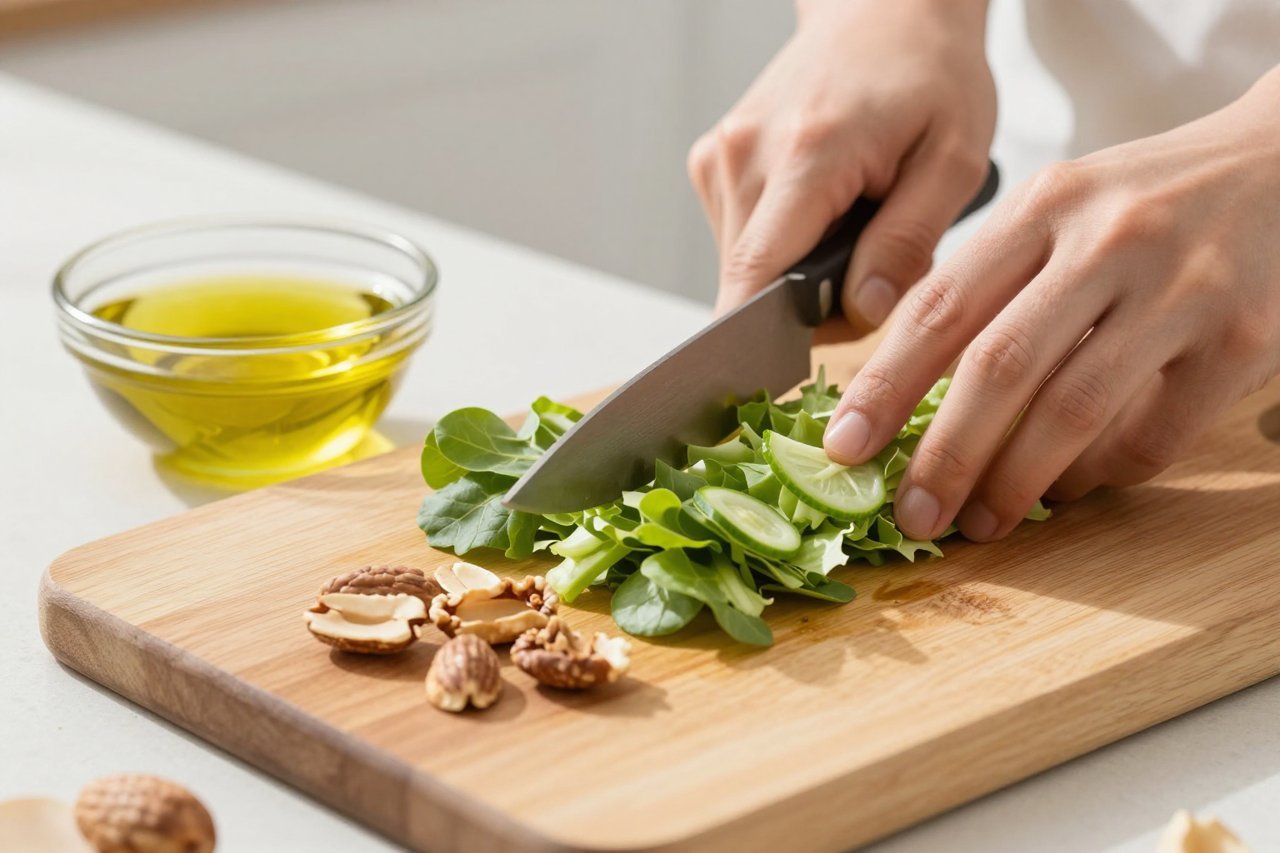
That means olive oil, nuts, seeds, and fatty fish are on your side, not against you. A Mediterranean-style pattern with healthy fats, plenty of greens, and minimal processed sugar is one of the most effective ways to reverse fatty liver. If you want to see what has the best shot at working, this breakdown of what actually works to reverse fatty liver lays out the evidence without the fluff.
Supplements and Detox Teas Won’t Rescue You
Walk into any pharmacy and you’ll see bottles of milk thistle, dandelion root, and turmeric marketed for “liver support”. Some of these are harmless. But the belief that a supplement can fix a bad diet is the biggest money-spinner in wellness, and it’s keeping people from getting real results.
Here’s what the research actually says about the most popular supplements:
- Milk thistle (silymarin): Some small studies show a modest reduction in liver fat, but larger trials have been mixed.
- Vitamin E: Shown to help in non-diabetic NASH patients, but only under a doctor’s supervision.
- Detox teas: No evidence; they’re mostly laxatives and herbs that won’t touch fat in the liver.
Before you spend another dollar on capsules, understand your options. There are significant differences between diets, exercise protocols, and sometimes medications. A side-by-side comparison of the pros and cons of every major fatty liver treatment approach can help you separate what matters from what doesn’t.
It’s Not Just a Liver Problem
If you’re treating your fatty liver in isolation, you’re missing the bigger picture. Most people with NAFLD also have insulin resistance. Their liver is simply the place where the metabolic imbalance shows up. Unless you fix the insulin resistance, the liver will keep producing fat despite your best efforts.
This is why eating only “less greasy food” isn’t the answer. You need to address blood sugar spikes, which means improving insulin sensitivity. That’s the same principle behind effective insulin resistance treatment using science-backed strategies. Work on that, and your liver typically follows.
The Alcohol Blind Spot
“But I’m not an alcoholic.” That’s true for many people with fatty liver. They think that because they don’t drink heavily, alcohol can’t be a factor. They’re often wrong.
Non-alcoholic fatty liver disease (NAFLD) is the most common type, and it can happen to people who never touch a drink. Still, even for those people, alcohol can accelerate the damage. The line between NAFLD and alcoholic liver disease isn’t as clear as you’d think. For someone with any degree of liver fat, the safest choice during treatment is to stop alcohol completely for a few months. One glass of wine a night might seem harmless, but it’s sugar plus alcohol, and your liver has to process both.
If you’re serious about reversing it, consider a structured approach. A 12-week plan that cuts out alcohol and walks you through dietary changes can break through the plateau that self-guided efforts often hit. This step-by-step guide to reversing fatty liver in 12 weeks gives you a realistic timeline and concrete milestones.
Failing to Measure What Matters
You can’t fix something you aren’t tracking. Many people make changes and then just hope it’s working. They step on the scale and consider themselves good. But your weight is not the same as your liver fat.
Ask your doctor for a baseline set of labs: ALT, AST, GGT, fasting insulin, and a homeostatic model assessment (HOMA-IR). Then repeat them in three months. If your liver enzymes are dropping but your weight hasn’t changed, that’s still a win. Muscle may be replacing fat. Using imaging like ultrasound or a FibroScan is even better for tracking fat content.
Without this data, you’re flying blind. You don’t know if what you’re doing is working, and that leaves room for discouragement and backsliding.
Trying Without a System
The final mistake is also the most common: trying to fix everything at once and giving up when it’s too hard. Or worse, following random tips from forums and applying them inconsistently.
Improving fatty liver is a series of small, cumulative changes. A single extra walk isn’t enough. Cutting sugar for two weeks isn’t enough. What works is repetition over months. That’s why a concrete plan is more effective than willpower alone. It gives you daily targets, meal ideas, and a timeline for when to check if you’re improving.
The biggest mistake of all may be waiting for the “perfect time” to start. The liver is remarkable—it can regenerate and shed fat when given the right signals. But it won’t wait forever. Start somewhere, keep it steady, and let the measuring tape tell you the truth six months from now.


