
Table of Contents
Turmeric has been a cornerstone of Indian cooking and Ayurvedic medicine for over 4,000 years. Its vibrant orange-yellow color comes from curcumin, a polyphenol compound that has become one of the most studied plant nutrients in modern science. But does the hype live up to the reality? The research suggests that turmeric benefits are real, especially when it comes to inflammation, joint health, brain function, and even your skin.
This is not just another wellness trend. Practitioners have been using turmeric for centuries, and now labs are catching up. Clinical trials and meta-analyses have given us hard numbers to work with. Here’s what the golden spice can actually do – and how to make sure your body absorbs enough curcumin to notice the difference.
What Makes Turmeric So Powerful?
The key is curcumin. It’s a bioactive compound in turmeric that gives it its deep yellow hue. Curcumin is a potent antioxidant that neutralizes free radicals, and it’s also a natural anti-inflammatory. According to a study published in the journal Oncogene, curcumin can match the effectiveness of some anti-inflammatory drugs without the side effects. That’s a bold claim, but it explains why turmeric has become a staple in the wellness world.
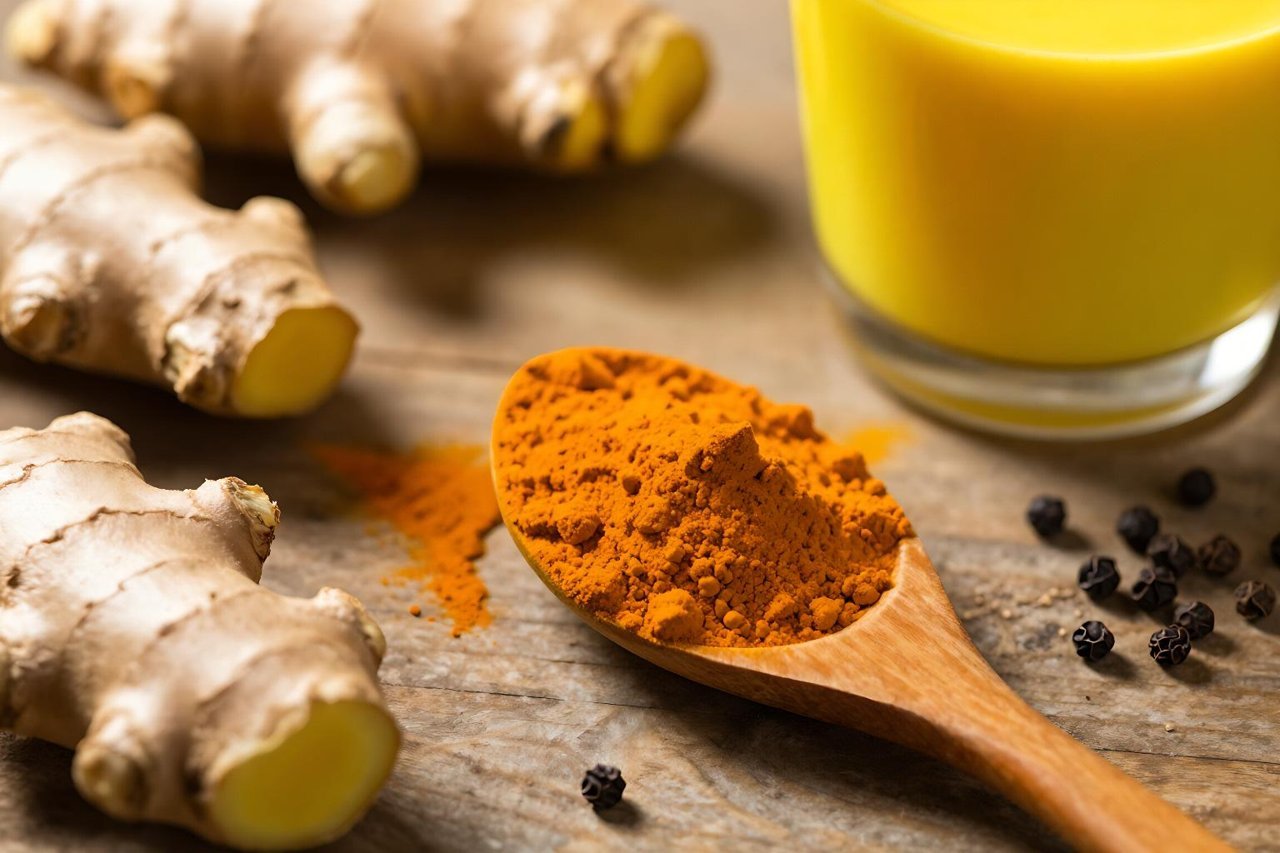
However, there’s a catch: curcumin has poor bioavailability on its own. Your liver quickly metabolizes and eliminates it, which means you only absorb a tiny fraction. That’s why you often see turmeric paired with black pepper. Black pepper contains piperine, a natural compound that enhances curcumin absorption by up to 2,000%. Fat also helps, since curcumin is fat-soluble.

Top Turmeric Benefits Backed by Research
The list of potential turmeric benefits is long, but we’ll focus on the ones with solid science behind them.
Eases Chronic Inflammation and Joint Pain
Inflammation is your body’s natural response to injury and stress, but chronic inflammation can cause conditions like arthritis, heart disease, and metabolic syndrome. Curcumin targets multiple inflammatory pathways, including the NF-κB molecule that switches on inflammation genes.
A 2016 clinical trial gave people with knee osteoarthritis 1,500 mg of curcumin daily, and they experienced significantly more pain relief than those taking ibuprofen. Another systematic review of 8 randomized controlled trials found that turmeric extract reduced joint pain and stiffness in people with arthritis. If you want to take advantage of this benefit, consistency matters. Try making a turmeric smoothie or blending it into cold coconut milk treats – these turmeric mango popsicles with coconut milk are a delicious, everyday-friendly option.
Supports Heart Health
Heart disease is a leading cause of death worldwide, and inflammation and oxidative stress play a major role. Curcumin can improve the function of the endothelium, the thin membrane lining your heart and blood vessels. The endothelium helps regulate blood pressure and blood clotting, and endothelial dysfunction is a major driver of heart disease.
In one small study, 8 weeks of curcumin supplementation improved blood flow and reduced arterial stiffness. It’s not a substitute for statins or lifestyle changes, but it’s a promising way to support your heart in the long run.
Boosts Brain Function and May Lower Depression Risk
Curcumin also boosts levels of brain-derived neurotrophic factor (BDNF), a protein that supports neuron growth and repair. Low BDNF levels are linked to Alzheimer’s disease, Parkinson’s, and depression. Researchers believe that increasing BDNF can delay cognitive decline and even improve memory.
And it’s not just about aging brains. A placebo-controlled trial from 2014 found that curcumin supplementation improved mood and reduced anxiety in 60 volunteers with mild depression. The effect was modest but similar to antidepressants, without the side effects.
Aids Digestion and Gut Health
Turmeric is a carminative, which means it helps reduce gas and bloating. It stimulates the gallbladder to release bile, which helps you digest fats more efficiently. In Ayurvedic medicine, turmeric is often recommended for indigestion and hyperacidity.
Modern research is also looking at turmeric’s effects on gut microbes and inflammatory bowel conditions. While more studies are needed, adding turmeric to your meals is a gentle, flavorful way to support your digestive system.
Strengthens the Immune System
Curcumin’s antioxidant activity supports your immune system by protecting cells from oxidative damage. It also modulates immune cell activity, and some research suggests it can reduce the severity of allergic asthma and other autoimmune reactions.
One easy way to give your immunity a boost is to incorporate turmeric into a daily ritual. Ginger and turmeric work especially well together, as both have warming, anti-inflammatory properties. If you’re looking for a quick way to get both into your system, try these anti-inflammatory ginger turmeric immunity shots – they’re easy to prep in advance and taste surprisingly good.
Promotes Healthy Skin
Thanks to its anti-inflammatory and antimicrobial properties, turmeric is a popular natural treatment for acne, eczema, and other inflammatory skin conditions. You’ll find it in beauty masks and serums, but eating it works too. Some people use a topical paste made from turmeric and water to calm redness, though it can temporarily stain the skin yellow.
A 2014 study found that curcumin mixed with high-quality aloe vera helped treat oral lichen planus, a severe inflammatory condition in the mouth. That gives you an idea of how powerful this compound is at the tissue level.
How to Get the Most Out of Turmeric
If you’re adding turmeric to food, always use a pinch of black pepper. That piperine boost is non-negotiable for getting measurable levels of curcumin into your bloodstream. Also, warm it with a little oil or full-fat coconut milk, because curcumin is fat-soluble and needs a carrier.
Beyond that, go for a high-quality turmeric powder from a trusted source. The spice aisle can be inconsistent, and adulteration is more common than you’d think. Look for a deep, bright color and a strong, earthy aroma.
Easy Ways to Add More Turmeric to Your Diet
The simplest way to take advantage of turmeric benefits is to use it in your daily cooking. It works surprisingly well in a wide range of dishes, not just curries. Here are some practical ideas to try:
- Add a teaspoon of ground turmeric to scrambled eggs or an omelette.
- Whisk it into salad dressings with olive oil, lemon juice, and black pepper.
- Make a golden milk latte with warm milk, turmeric, cinnamon, ginger, and a touch of honey.
- Blend frozen banana, mango, and a pinch of turmeric into a smoothie.
- Sprinkle it over roasted vegetables before they go into the oven.
You can also experiment with recipes that already have a solid flavor base. For a unique twist, incorporate turmeric into your baking or desserts. The earthy spice pairs beautifully with summer fruits. If you’re tired of the same old snacks, check out these wholesome and delicious healthy recipes that actually taste great – you’ll find plenty of inspiration for your next meal.
Turmeric Supplements: What to Look For
If you’re taking turmeric for a specific health condition, a supplement is often more practical than eating kilos of curry. But not all supplements are created equal.
Ideally, choose a brand that contains standardized curcumin extract – anything from 95% to 98% curcuminoids is considered high-quality. It should also include piperine (black pepper extract) or use a liposomal formula or curcumin phytosome to boost bioavailability. The standard dose in clinical trials is between 500 mg and 2,000 mg of curcumin per day, divided into two or three doses. Start with the lower end to see how your body responds.
And remember, turmeric is not the only powerful ingredient in your spice cabinet. You might be familiar with its cousin ginger, but less-known seeds like kalonji (black cumin) also pack a serious punch. If you’re curious about natural remedies that work, dive into this practical guide to herbal remedies that actually work to broaden your toolkit.
Possible Side Effects and Precautions
Turmeric is generally safe when used in food and as a typical dietary supplement. But high doses of curcumin can cause stomach upset, diarrhea, or dizziness. More importantly, turmeric has natural blood-thinning properties, so if you’re on anticoagulant medication, have a bleeding disorder, or are preparing for surgery, talk to your doctor first. It can also stimulate bile production, which is problematic for people with gallstones or bile duct obstruction.
Pregnant women should stick to normal culinary amounts, as there isn’t enough research on very high doses during pregnancy.
That said, for most of us, turmeric benefits outweigh the risks. Start with a modest amount, pair it with black pepper and good fats, and give your body time to adjust. The golden spice has earned its place in both your kitchen cabinet and your wellness routine.


