
Table of Contents
You can build a solid wellness routine without a $200 monthly supplement stack or a boutique fitness membership. The trick is to decide what your routine actually needs, then pay for those pieces first. A wellness routine that fits your budget usually looks less like a shopping list and more like a weekly rhythm: a walk you enjoy, meals you can repeat, sleep you protect, and one or two paid extras that earn their spot.
Start with the number you can spend without wincing. Maybe it is $0 this month, or $40. Write it down. That number becomes a boundary, not a verdict. Then build from the bottom up.
Audit what you already own and already do
Before you buy a single thing, spend seven days noticing what is already working. Do you sleep better on nights you walk after dinner? Do you skip breakfast because mornings are chaos? Those observations are more useful than a new app. Keep a note on your phone or a scrap of paper. At the end of the week, look for one free change that would make the biggest difference.
- Movement you already have: a walking route, stairs at work, a bike in the garage, a park within 15 minutes.
- Recovery you already have: a library card that unlocks free meditation and audiobook apps, a quiet corner, a bedtime alarm.
- Food upgrades you already have: a refillable water bottle, oats in the cupboard, frozen vegetables in the freezer, eggs in the fridge.
This audit prevents a classic budget leak: buying a $90 fitness tracker when your real problem is a 1 a.m. bedtime.

Choose three non-negotiables, not ten goals
A budget-friendly routine needs a spine. Pick one action for movement, one for food, and one for recovery. That is it. Examples: a 12-minute walk after lunch, a $3 breakfast you can make in four minutes, and a 10:30 p.m. phone curfew. Three actions are easy to remember on a bad day and cheap enough to repeat.
If your routine includes caring for an older relative or a family member with health needs, add a care line to the budget early. Understanding private home health care can help you plan for support before a crisis turns into an emergency expense. That is part of wellness too, even if it never shows up in a fitness app.
Build the free layer first
Most affordable wellness routines are boring in a good way. Walking costs nothing. A community center class might cost $5 to $10. Many libraries offer free exercise videos, museum passes, and quiet rooms. Local parks often run free weekend yoga or walking groups. You do not need a perfect program. You need a repeatable hour.
Use free trials deliberately. Write the cancellation date in your calendar the same day you sign up. A 14-day trial is useful. A forgotten $29.99 monthly charge is not. If you are eyeing a bigger home upgrade later, treat it as a separate savings goal rather than a spontaneous purchase. How to build a sauna in your backyard covers the prep and cost questions worth answering before you commit.
Give yourself a weekly number
Monthly budgets can hide small leaks. Weekly caps are easier to feel. Set a wellness cap of $20, $30, or whatever fits your life. Use cash or a separate debit card. When the money is gone, you are done until Monday. This forces a useful question: is this purchase making the routine easier, or am I just bored?
Separating wellness spending from everyday expenses also makes the trade-offs visible. A system for a smarter way to manage money can help you see that three $6 impulse buys are the same as one $18 class you actually love. The class wins if you attend it.
Buy cheap gear that gets used weekly
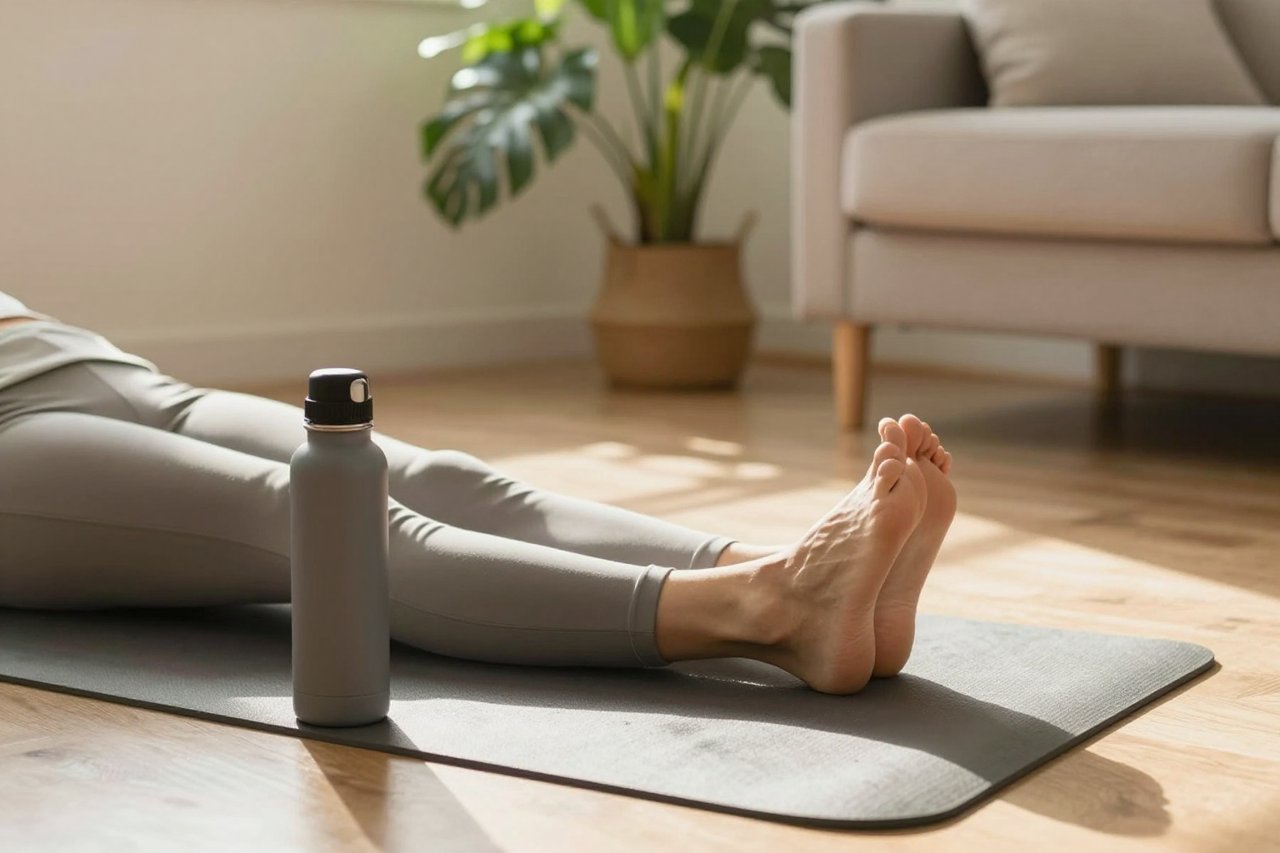
You do not need much. A mat ($20), a resistance band ($10), a pair of dumbbells ($25 used), and a water bottle will cover a lot of ground. Buy one item at a time. Choose used gear when it is in good condition. Skip gadgets that require a subscription, because the monthly fee often outlasts the enthusiasm.
- Set a 30-day rule: if you have wanted the item for a month and will use it this week, buy it. If not, wait.
- Choose versatile over specialized: a sturdy mat beats a machine that only does one exercise.
- Resell what sits: if equipment is unused for three weeks, sell it or give it away. The goal is fewer friction points, not a crowded corner.
Keep food simple and set a price ceiling
Food is usually the largest line in a wellness budget, and the easiest to overcomplicate. Build three breakfasts, three lunches, and three dinners that cost under $3 per serving. Eggs, oats, beans, rice, frozen vegetables, canned fish, yogurt, and seasonal fruit can carry a week of decent meals without a specialty health-food run.
Supplements are the next place to be careful. Get bloodwork if you suspect a deficiency, then buy only what a clinician recommends. A $15 bottle of vitamin D can be useful. A $70 “energy blend” with a clever label is often just hope in a jar. Spend the difference on vegetables, fruit, or a bag of frozen shrimp you will actually cook.
Protect sleep like it costs money
Sleep is the cheapest performance enhancer and the first thing people trade for workouts. Set a consistent wake time, even on weekends. Keep the room cool and dark. A $12 sleep mask and a $10 phone alarm can do more than a $300 mattress topper if the real problem is late-night scrolling. Move the charger out of the bedroom. You will feel the difference before you see it in any app.
Make one paid thing worth it
A budget routine still needs pleasure. Pay for the thing that makes you show up. For some people that is a $12 drop-in dance class. For others it is a $45 monthly climbing gym or a $60 massage every other month. The amount matters less than the return: does it make the rest of your routine easier to keep?
If you work in wellness, continuing education is part of the routine too. Programs like AFPA’s CE Advantage can help you stay certified while growing your business. That is a professional budget line, not a fitness splurge. Keep it separate so it does not crowd out the habits that keep you well.
Track energy, not just dollars
At the end of each week, rate three things from 1 to 10: energy, mood, and sleep. Note what you did. After four weeks, patterns show up. Maybe the $18 yoga class lifts your mood every time, while the $40 supplement does nothing. Drop what does not move the needle. Keep the cheap thing that does. This is how a wellness routine becomes personal instead of performative.
Plan for the week you fall off
Every routine has a bad week. Build a minimum version now: a 10-minute walk, a 5-minute stretch, and one decent meal. No new purchases, no guilt, no restart ritual. The minimum keeps the habit alive until normal life returns. A routine that only works when you are rested, motivated, and flush with cash is not a routine. It is a mood.
The 20-minute test for any new wellness purchase
Before you buy, ask if you would use it for 20 minutes today. If the answer depends on a future version of you with more time, wait 72 hours. Most impulse wellness purchases lose their shine by Tuesday. The routine you can afford is the one you can repeat when you are tired, busy, and not in the mood. That is not a compromise. It is the whole point.


