
Table of Contents
At 2 a.m. in a regional distribution center, a squat autonomous forklift glides between aisles, lifting a pallet of canned goods and sliding it onto a conveyor without a driver in sight. Ten years ago, that machine would have sat behind a safety cage while a human operator fed it parts. Now it shares the floor with pickers, maintenance techs, and a shift supervisor holding a tablet. The top 7 ways robots are changing the workplace show up in moments like this: not as a sci-fi takeover, but as a steady rearrangement of tasks, teams, and career paths.
That rearrangement is uneven. Some plants are years into automation; others are still piloting their first cobot. The pattern is consistent enough to study, though, and it goes well beyond the factory floor.
1. They are absorbing the dirty, dangerous, and dull work
The first place robots make themselves useful is in jobs people rarely fight to keep. A robot arm can hold a 30-pound paint sprayer for eight hours without losing steadiness. A mobile robot can haul parts across a warehouse floor without a lunch break. In mines, inspection drones fly into spaces where sending a person is a calculated risk.
Amazon has deployed more than 750,000 mobile robots across its fulfillment network. Those machines do not replace every picker, but they change the physical demands of the job. Workers spend less time walking miles between shelves and more time on exceptions, quality checks, and packing decisions that need hands and judgment.

2. Cobots are turning robots into close coworkers
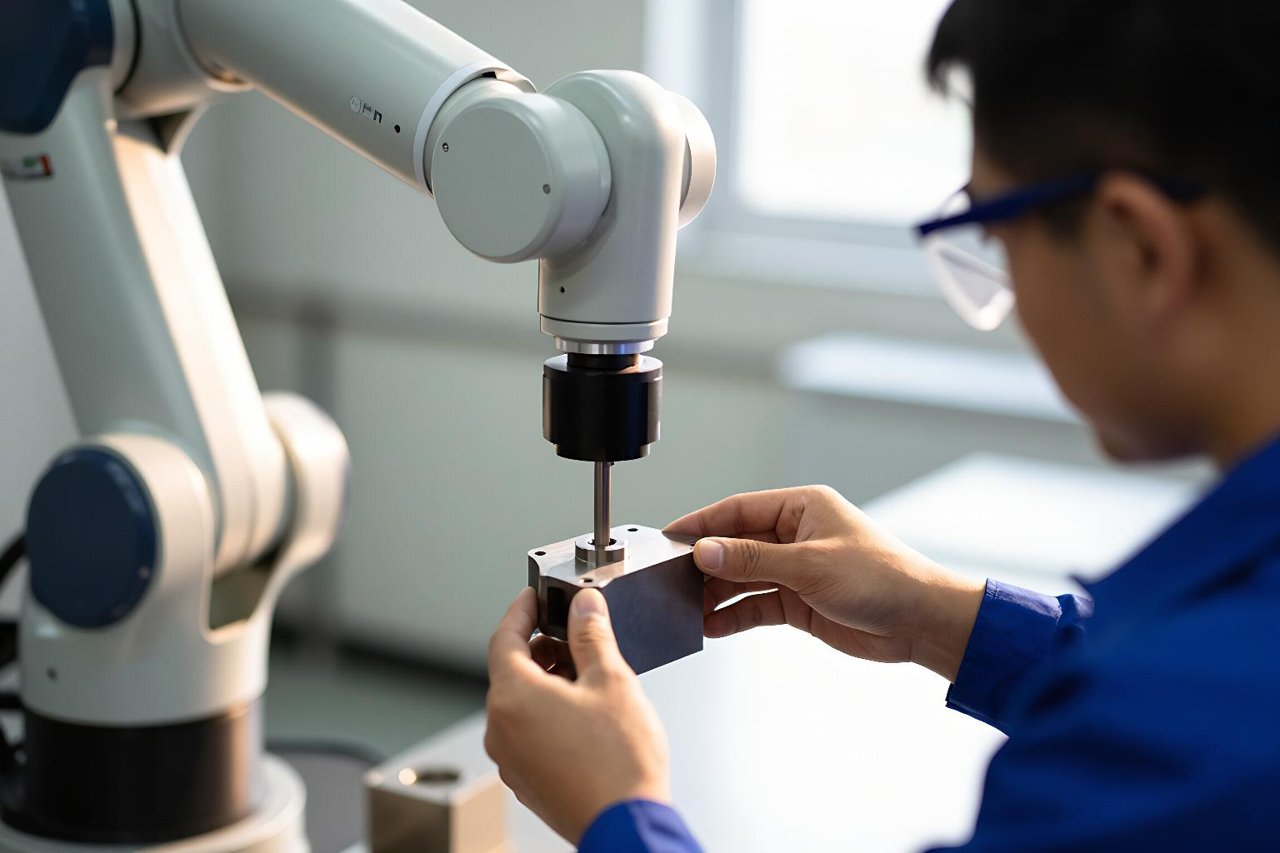
Collaborative robots, or cobots, use force sensors and speed limits so they can work near people without a full safety cage. A cobot might load a CNC machine while a machinist deburrs parts beside it. If a worker brushes the arm, it stops.
This changes the social texture of the floor. Workers stop treating the robot as a hazardous appliance and start treating it as a slow, literal-minded teammate. That shift matters for training, scheduling, and the small negotiations of who loads what and when.
3. Hiring and admin are getting an automated back office
Not every workplace robot has an arm. Software bots handle repetitive administrative work: scheduling interviews across time zones, checking onboarding documents, moving payroll data between systems. Recruiters can screen 200 applications in an hour, which sounds efficient until a strong candidate with an unusual resume gets filtered out. Good employers run bias audits and keep a human reviewer in the loop.
Workers often sense this change before they can name it. That unease connects to a wider pattern of why many people hesitate to join the AI migration, from trust and identity to fair treatment. The reluctance is not just nostalgia. It is a signal that automation needs explanation and consent, not just a launch email.
4. Training is moving into simulation and digital twins
A new forklift operator can practice in a headset before touching a real vehicle. A technician can rehearse a line change on a digital twin of the production cell, making mistakes where the only cost is a reset button. These simulations compress months of trial and error into a few controlled sessions.
For workers who want to move from operating a machine to supervising a fleet, structured artificial intelligence courses and future-ready skills can shorten the learning curve. The useful training is rarely abstract theory. It is reading sensor data, spotting patterns in downtime, and knowing which automated alert deserves a human response.
5. Safety monitoring is becoming continuous, not annual
A wearable proximity sensor can buzz when a worker gets within two meters of a moving robot. Drones inspect roofs and tanks without scaffolding. Cameras and lidar can flag a blocked emergency exit in real time rather than waiting for a quarterly audit.
Privacy concerns are real. A warehouse that tracks every movement can improve ergonomics, but it can also turn a bathroom break into a data point. The best deployments publish what is collected, who can see it, and how long it is kept. Safety technology loses trust fast when it feels like surveillance with a compliance sticker.
6. New jobs are appearing, and they reward technical judgment
A single automated warehouse may need robot technicians, controls engineers, data analysts, safety coordinators, and a fleet manager who decides which machine goes where. Many of these roles reward troubleshooting, not coding from scratch. The person who can diagnose a misaligned sensor at 3 a.m. is worth a great deal.
Skills that travel well across robot-heavy workplaces
- Basic troubleshooting: reading error codes, checking sensors, and knowing when to stop.
- Data literacy: spotting a pattern in downtime logs instead of guessing.
- Safety reasoning: understanding lockout/tagout and risk assessments.
- Communication: explaining a machine fault to an engineer and a shift lead in plain language.
- Continuous learning: picking up a new robot interface without waiting for a formal course.
These are not all coding skills. Many roles reward the ability to notice that a conveyor jams only on humid mornings, or that one robot arm drifts after a maintenance reset. That kind of judgment comes from time on the floor, and it is hard to automate.
7. Shift patterns and team sizes are being redrawn
A palletizing robot does not need a lunch break, so a plant may run three shifts instead of two. Team sizes can shrink on the line and grow in maintenance and quality. The tradeoff is more on-call support and night-shift supervision, which can strain people who already have unpredictable schedules.
Managers who plan only for headcount savings miss the harder question: who covers the robot when it faults at 4 a.m.? The answer is usually a small group of technicians who need training, backup, and a clear escalation path.
What to do in the next 12 months
If a robot is arriving in your workplace, do not wait for the org chart to settle. Ask which tasks it will take over, which tasks will move to people, and who will be trained. Volunteer for the pilot, even if it means extra shifts. Learn the emergency stop, the error log, and the first three troubleshooting steps. Keep a simple record of what you fixed and how long it took; that record becomes evidence when new roles are posted.
Managers can do the same in reverse. Publish a skills map, fund training during paid hours, and promote at least one internal candidate into the robot support team. A plant that hires only outside technicians tells its existing workforce that automation is something that happens to them. A plant that trains its own people tells a different story.
The workplace of the next decade will not be robot-free or human-free. It will be a negotiated mix, with more machines on the floor and more emphasis on judgment, maintenance, and the messy human work of coordination. The workers who thrive will be the ones who learn to run the machines, question the data, and keep the team around them intact.


