
Table of Contents
Someone reverses into your rear bumper in a supermarket car park. The damage looks like $900, the other driver is apologetic and in a hurry, and the whole thing feels like it might blow over. What you do in the next hour decides whether the claim takes three weeks or three months.
Filing a car insurance claim isn’t complicated, but it rewards preparation. Nearly every dispute traces back to two things: thin evidence and careless wording on the first phone call. Get both right and the rest of the process mostly runs itself.
Protect the scene before you call anyone
Check that nobody is hurt, then move the cars out of traffic if they’re driveable. After that, work through this list in order.
- Call the police if anyone is injured, a vehicle can’t be driven, or the other driver won’t share details or seems impaired. Note the report or incident number.
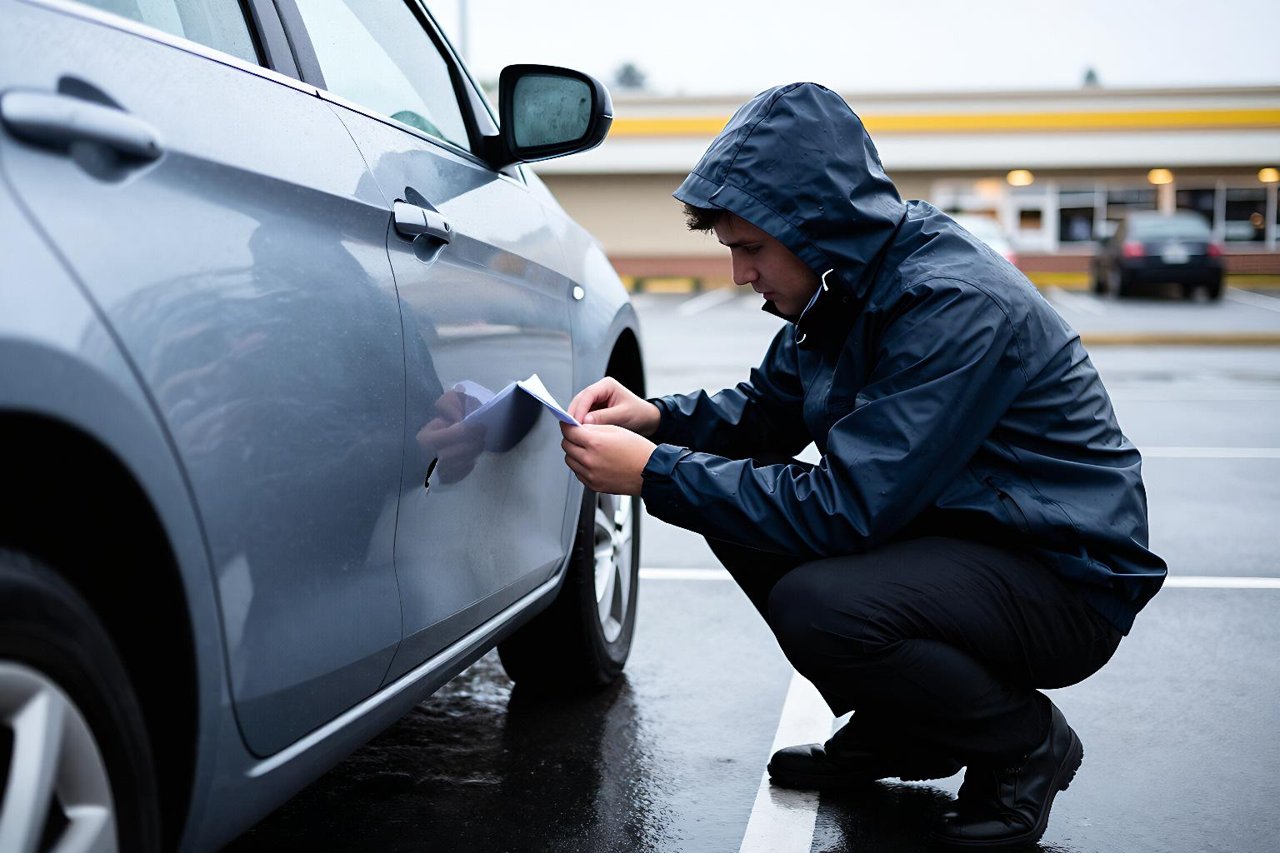
- Photograph everything before the cars are moved. A wide shot of both vehicles in position, close-ups of the damage, the other car’s plate, and any give-way markings or signage nearby.
- Take the other driver’s name, phone, address, insurer, policy number and licence details. Photograph their insurance document rather than copying it out by hand.
- Write down the time, weather and light. Sounds fussy until a disputed claim turns on whether the sun was in your eyes.
- Ask bystanders if they saw it. A 40-second video of a witness giving their name and account is worth more than a written statement three days later.
If the other driver wants to settle privately, be polite and still take the details. Private settlements work fine right up until the moment they don’t, and you can’t open a claim six weeks later against someone whose surname you never learned.

Report it early and keep the first call boring
Ring your insurer within 24 hours. Most policies require prompt notification, and some set a hard deadline measured in days. Have your policy number and photos to hand.
That call gets recorded, so stick to what you saw and did. “The other car reversed out of a space and hit my rear quarter panel” is exactly right. Speculating about your own speed, apologising, or volunteering that you were distracted gives the adjuster a reason to apportion fault before anyone has looked at the evidence. Let fault be decided later by people who weren’t there.
Keep the damage description accurate too. Adjusters handle hundreds of estimates a month, and an inflated claim follows your name around at renewal.
Three questions worth asking on that call
Is this being logged as a fault or non-fault claim for now? Do you need a police report number before I authorise repairs? And how many days of rental car are covered while mine is in the shop?
Decide whether the claim is worth making at all
Before anything goes further, subtract your deductible from the likely repair bill. If the damage is $700 and your deductible is $500, you’re claiming $200 and taking a claims history hit for it. That’s usually a bad trade, because a single fault claim can add 20% to 40% to your next premium for three to five years.
The maths gets murkier when coverage types overlap. If comprehensive, collision and liability blur together, this plain-English guide to how car insurance works is a decent refresher on which section of the policy actually pays for what.
Getting the repair right
Most insurers will point you at an approved repair network. You’re generally free to use your own shop instead, but the insurer only has to pay what its appraiser thinks the job should cost. Choose outside the network and that gap comes out of your pocket.
Get two or three written estimates and ask each shop for a parts breakdown: original manufacturer, aftermarket or salvaged. Ask directly whether they’ll submit a supplement if they find hidden damage once the bumper is off. Nine times out of ten there’s more underneath, and a shop that shrugs at that question isn’t the one you want holding your car for a fortnight.
Electric vehicles complicate things. Battery packs, sensors and aluminium body panels push repair bills well above those of comparable petrol cars, which is why EV coverage with proper repair terms tends to make a claim run far more smoothly.
When the car is a total loss
A write-off doesn’t mean the car is destroyed. It means repairs exceed a set percentage of the vehicle’s value, often somewhere between 60% and 80%. The payout is the actual cash value from a minute before the crash, minus your deductible and minus anything still owed on a finance agreement.
Insurers open low. Look up five local listings for the same year, trim and mileage, screenshot them with dates, and send them across. You’re negotiating a real number, not being ungrateful. Ask whether you can buy back the salvage if you want the wreck for parts.
If the claim stalls or gets denied
Request the decision in writing and ask which policy clause it relies on. Denials often rest on a missed notification window, an undeclared modification, or a payment dispute rather than the crash itself. If the reasoning doesn’t hold up, escalate internally, then to your state or provincial insurance regulator. Complaints get logged, and adjusters know it.
What the claim does to your renewal
Compare your renewal quote with last year’s rather than assuming it’ll be similar, then shop around. Loyalty counts for almost nothing in this market. The tactics in this guide to finding cheap car insurance without buying a policy you’ll regret are worth running through about three weeks before renewal.
If the damaged car shares a policy with a second vehicle, confirm the multi-car discount survives the claim. Some insurers quietly drop it, and comparing how multiple-vehicle policies price a claim can save more than the repair bill in the first place.
One habit worth keeping: store the incident photos, the police reference, every estimate and each email from the adjuster in one folder, digital or paper. When a claim drags on, the person with the tidiest file is usually the one who gets paid first.


