
Table of Contents
Most rich-person stories are boringly predictable: elite school, venture capital, lucky timing. Some of the best wealth stories start in a garage, a thrift store, or a spreadsheet at the kitchen table. The people behind them rarely look like tycoons. They fix washing machines, answer emails about pest control, or rent out a driveway. That is exactly why the top 7 unexpected ways ordinary people became rich are worth studying. None of them require a lottery ticket or a Silicon Valley pedigree. They require noticing money hiding in plain sight.
1. They bought businesses everyone else called boring
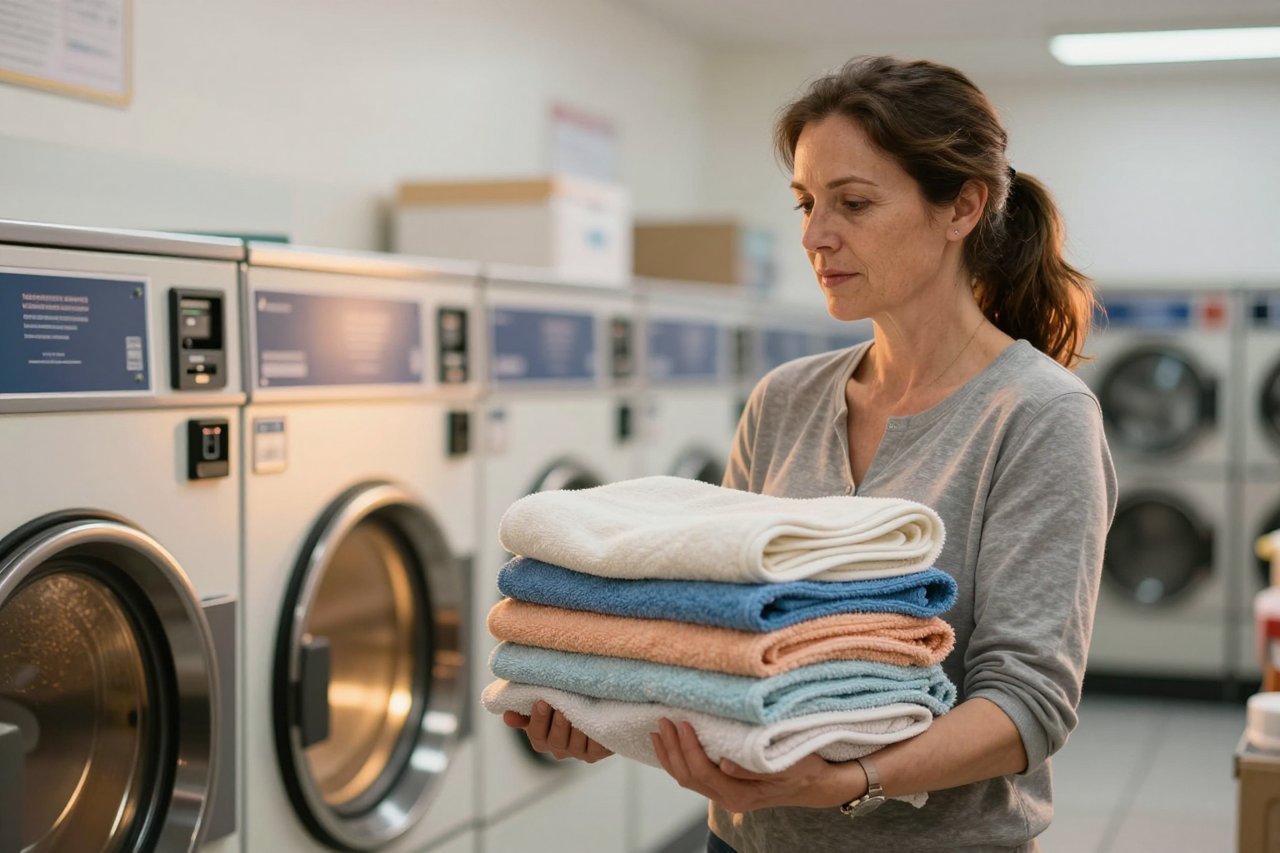
A former dental hygienist in Michigan bought a 22-year-old laundromat with 18 washers and 12 dryers. The seller wanted $210,000. She put down 20%, financed the rest, and kept the retired mechanic who already repaired the machines. First-year gross was $190,000; net was $54,000. She raised prices by a quarter, added card readers, and started a drop-off service for busy families. Five years later, she owned three locations.
This is small-business acquisition, not a fairy tale. Pest control, septic pumping, commercial window cleaning, and gutter services sell for modest multiples because they are unglamorous. A business netting $150,000 might sell for three times earnings. Buy it, improve the scheduling and pricing, hold it for a decade, and the math gets serious.
Why boring wins
- Low competition: Few buyers want to learn about septic tanks or coin machines.
- Recurring demand: Dirty carpets, clogged gutters, and broken dryers do not disappear in a recession.
- Seller financing: Many owners will carry a note, which means less cash upfront.
The trap is buying a job instead of a business. If the owner is the only person who knows the customers, you are buying a paycheck with extra stress.

2. They sold other people’s castoffs
A retired postal worker in Florida spends Saturday mornings at estate sales. She paid $4 for a brass lamp, cleaned the shade, and sold it on eBay for $180. That is one flip. Her routine is less glamorous: 20 items a week, photographed on a folding table, listed with honest measurements. She clears $2,000 to $3,000 a month. After ten years of reinvesting, she bought a duplex.
Thrift flipping works because most people price convenience, not knowledge. The edge is pattern recognition: a certain pottery stamp, a heavy zipper, a label that looks ordinary to everyone else. Storage unit auctions add drama, but the real version is early mornings, dust, and a flashlight.
Start with one category you already know. Tools, vintage jeans, board games, camera lenses. Sell ten items before you buy a hundred. The goal is not a garage full of maybe-money. It is a fast, repeatable process.
3. They built a tiny audience around a weird hobby
A woman who quilts started filming her projects on YouTube. Her channel has 38,000 subscribers, which is small by internet standards. Ad revenue is modest, around $600 a month. Pattern sales at $9 each bring in another $9,900 when 1,100 people buy. A fabric company pays $2,500 for a sponsored video. Add a beginner course and the side business clears $70,000 a year.
Niche is not small if you own it. Lawnmower reviews, left-handed crochet, budget aquariums, medieval cooking. The same appetite that makes award shows so addictive can turn a specific hobby into a business. You do not need viral fame. You need 1,000 people who trust your recommendations and buy twice a year.
Consistency beats production quality. A phone camera and a $25 clip-on microphone are enough. Publish for 18 months before judging the results.
4. They rented out space they already had
A homeowner near a football stadium rents three driveway spots for $40 each on game days. Thirty home games across football and concerts brings in $3,600 a year for almost no work. Another homeowner rents attic space for luggage storage at $75 a month. A rural landowner leases a small plot for a cell tower and cashes a check for $1,800 a month.
Apps like Neighbor, SpotHero, and Peerspace make the matchmaking easy. The hard part is checking rules. Zoning, insurance, and HOA agreements can kill the plan. Call your city before you paint parking lines.
The principle is simple: if you own an asset and use it 5% of the time, someone else will pay for the other 95%. Empty driveways, spare rooms, basements, and back lots all qualify.
5. They turned a daily annoyance into a product
A nurse tired of tangled IV lines invented a simple clip that kept tubing organized. A parent frustrated by crushed snacks created a hard-shell container that fit in a cup holder. Neither product was exciting. Both solved a small, repeated problem.
One seller moved 3,000 units at $19.99, roughly $60,000 in gross sales. At a 60% margin, that is $36,000 before ads and returns. Not a mansion. A proof of concept. Reinvest the profit into a second product and the numbers compound.
You do not always need a patent. A trademark, clear photos, and a listing that answers objections will take you further than a fancy prototype. Test cheap: a landing page, 100 units, one craft fair. The same logic applies in software, where even tedious work creates demand for cloud content collaboration software. If people pay to fix a boring workflow, they will pay to fix a physical annoyance.
6. They got paid to be early, then stayed
A teacher started selling printable party invitations on Etsy in 2008. She made $8,000 in her first year. By 2015, the shop was clearing $200,000 annually. She did not invent printables or party planning. She arrived when demand was rising and sellers were few, then kept improving her listings while others quit.
Platform arbitrage is real. Early eBay sellers, early Shopify merchants, early Uber drivers, early Airbnb hosts. The window eventually closes. The mistake is chasing the next shiny platform without building a durable asset: an email list, a brand, repeat customers, or a product you control.
Crypto and domain flipping make better headlines than they make dependable plans. High variance is not a strategy. If you catch a wave, take some profit and build something that survives the tide going out.
7. They turned a local chore into a subscription
A college student in Tampa bought a scoop, printed 500 flyers, and offered weekly dog poop pickup for $20 a visit. He started with six customers. Two years later, he had 80 weekly customers, two helpers, and a used truck. Gross revenue was $1,600 a week, or roughly $83,000 a year. Not glamorous. Hard to cancel. That is the point.
Recurring revenue changes the math. A one-time gutter cleaning is a transaction. A quarterly gutter plan is a business. Window washing, lawn care, pool service, and pet waste removal all work the same way.
Start with one neighborhood. Do the work yourself for 90 days. Track churn and drive time. Raise prices after your first 20 customers. The math gets interesting faster than the hype.


