
Table of Contents

Choosing a daily ritual drink is no longer just about waking up — it’s about how you want to feel throughout the day. Calm or sharp. Grounded or driven. Nourished or activated. And that’s exactly where cacao and matcha have become such powerful alternatives to coffee.
Both are ancient plant-based drinks with modern wellness appeal. Both deliver antioxidants, gentle energy, and measurable benefits to the nervous system. And both feel completely different in the body.
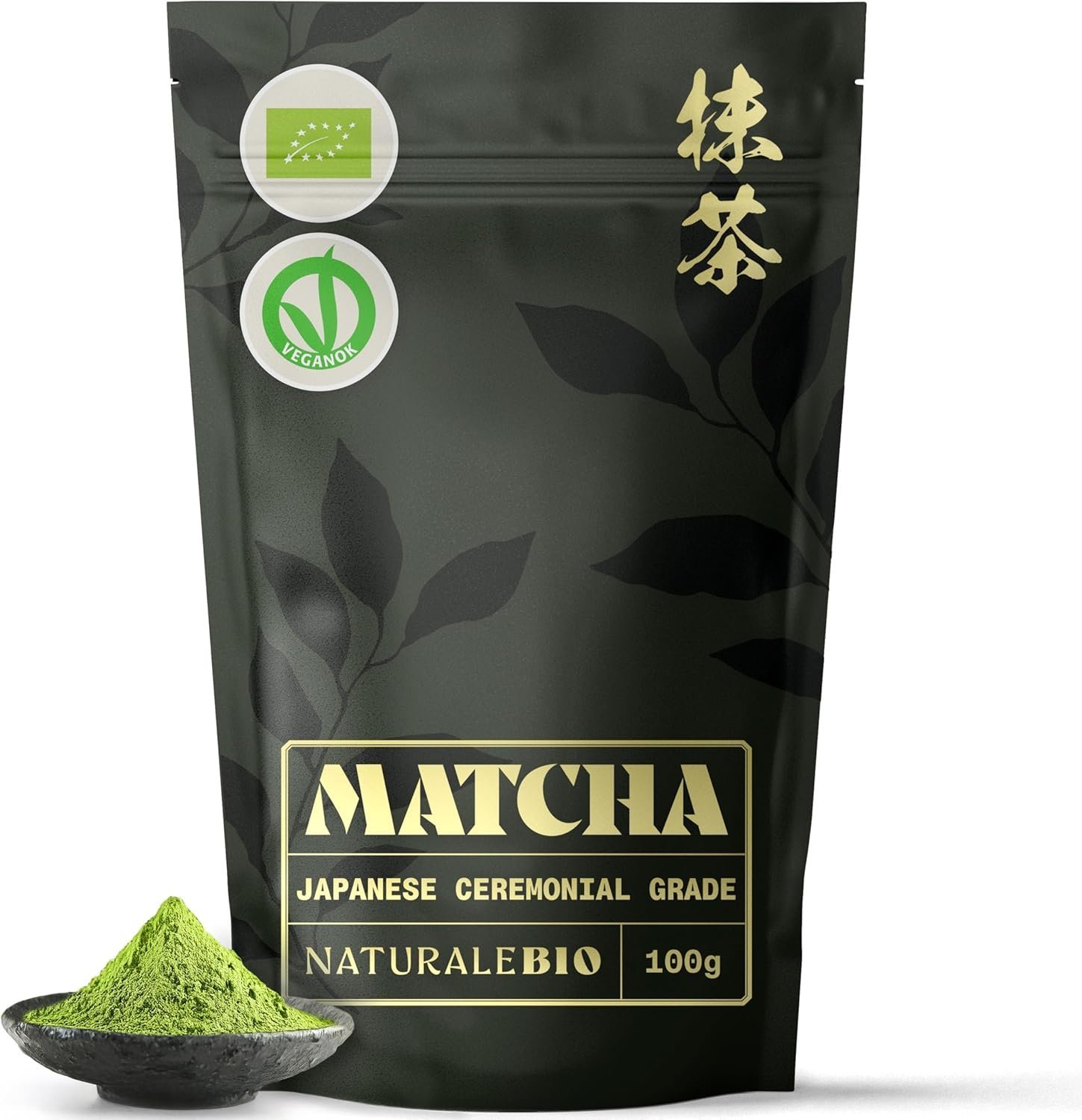
This guide explores cacao and matcha in real depth — how they work, how they feel, how they support mood and focus, and how to choose the right one for your lifestyle. We’ll also look at two high-quality options that reflect what people are actually buying in the UK: Sevenhills Wholefoods Organic Cacao and NaturalBio Ceremonial Grade Matcha.
What Cacao Really Is (And Why Quality Matters)
Cacao comes from the raw, cold-processed beans of the cacao plant. Unlike standard cocoa powder — which is heavily roasted, stripped of nutrients, and often sweetened — ceremonial or raw cacao retains much more of its natural mineral and antioxidant profile.
High-quality cacao is particularly rich in:
- Magnesium (for nervous system balance)
- Iron (for oxygen transport)
- Theobromine (a gentle stimulant)
- Polyphenols and flavonoids (for cellular protection)
Sevenhills Wholefoods Organic Cacao is a good example of a minimally processed cacao powder. It’s unsweetened, ethically sourced, and retains that deep, complex flavour profile that signals high antioxidant density.
When cacao is this pure, the effects are not just physical — they’re subtle, emotional, and grounding.
What Matcha Really Is (And Why Ceremonial Grade Matters)
Matcha is made from shade-grown green tea leaves that are stone-ground into a fine powder. Because the entire leaf is consumed (rather than brewed and discarded), matcha delivers a much higher concentration of active compounds than regular green tea.
High-quality ceremonial matcha, like NaturalBio Ceremonial Grade Matcha, is prized for:
- Smooth flavour without bitterness
- Bright green colour (a sign of high chlorophyll)
- High L-theanine content
- Clean, sustained caffeine release
Lower-grade matcha can be dull in colour, bitter in taste, and much lower in active antioxidants. Ceremonial grade is what gives matcha its signature calm focus effect.
How the Energy of Cacao Feels in the Body
Cacao does contain a stimulant — but it’s theobromine, not caffeine. Theobromine works more slowly, spreads more evenly through the bloodstream, and does not aggressively stimulate the central nervous system.
This creates an energy that feels:
- Gentle and warming
- Emotionally uplifting
- Physically steady
- Free from sharp spikes
Many people describe cacao as giving a heart-centred, grounded energy rather than a wired or urgent one. This is one of the reasons it has traditionally been used in ceremonial and reflective practices rather than work-driven productivity.
Sevenhills cacao, in particular, has a rich bitterness that pairs beautifully with plant milks and warm spices, making it feel more like a ritual than a stimulant.
How the Energy of Matcha Feels in the Body
Matcha contains caffeine, but it also contains L-theanine, an amino acid that slows the absorption of caffeine into the bloodstream. This creates a very different energy curve compared to coffee.
Instead of:
- A sharp rise
- Followed by a crash
You get:
- A smooth lift
- Followed by stable mental clarity
- With far less jitteriness
NaturalBio Ceremonial Matcha produces a particularly clean energy because of its purity and fine milling. The effect is often described as alert but calm, making it ideal for work, studying, or any task that requires sustained concentration.
Caffeine Comparison (Cacao vs Matcha vs Coffee)
Approximate caffeine per serving:
- Sevenhills Cacao: 15–35mg
- NaturalBio Matcha: 60–75mg
- Coffee: 90–120mg
This shows clearly why cacao feels far gentler, while matcha sits in the middle ground — stimulating, but not overwhelming.
Antioxidants & Long-Term Health Support
Both cacao and matcha are extremely high in antioxidants, but they offer slightly different protective effects.
Cacao’s antioxidants primarily support:
- Cardiovascular health
- Circulation
- Anti-inflammatory pathways
Matcha’s catechins (especially EGCG) support:
- Cellular ageing prevention
- Metabolic health
- Brain protection
- Detoxification pathways
Drinking either regularly supports long-term health. Alternating between them can offer a broader spectrum of protection.
Mood, Neurochemistry & Emotional Wellbeing
Cacao naturally contains compounds that influence serotonin, dopamine, and endorphin activity. Combined with its magnesium content, this is why many people report:
- Improved mood
- Greater emotional openness
- Reduced stress perception
- A sense of comfort and warmth
Matcha, by contrast, supports the brain through:
- Increased alpha-wave activity
- Balanced stimulation without overwhelm
- Improved attention control
Together, they create two very different — but complementary — emotional states:
- Cacao = emotional nourishment
- Matcha = cognitive clarity
Digestive Tolerance & Sensitivity
Cacao:
- Can be stimulating to digestion
- May feel heavy on an empty stomach for some
- High magnesium may have a mild laxative effect in larger quantities
Matcha:
- Gentler than coffee for many people
- Still acidic for very sensitive stomachs
- Can cause nausea if taken on a completely empty stomach
Both are best tolerated when:
- Paired with food
- Used in moderate quantities
- Prepared with quality water and milk
Skin, Ageing & Glow Benefits
The antioxidant load in both drinks helps protect the skin against:
- Oxidative stress
- Environmental pollution
- Inflammation-driven ageing
Regular intake of either Sevenhills cacao or NaturalBio matcha may support:
- Brighter complexion
- Reduced dullness
- Improved skin resilience
- Better microcirculation to the skin
Matcha’s chlorophyll also supports internal detoxification pathways that can indirectly influence breakouts and congestion.
Which Is Better for Daily Use?
There is no universal “better” — only better for your needs.
Choose Sevenhills Cacao if you want:
- Nervous system calm
- Emotional grounding
- Gentle, low-caffeine energy
- A comforting evening drink
Choose NaturalBio Matcha if you want:
- Mental sharpness
- Workday focus
- Clean caffeine without a crash
- A coffee replacement
Many people now structure their day as:
- Matcha in the morning
- Cacao in the afternoon or evening
This supports productivity without overstimulation.
How Often Can You Drink Them Safely?
For most adults:
- Cacao: 1–2 servings daily
- Matcha: 1 serving daily, occasionally 2 if caffeine-tolerant
Excessive intake of either may lead to:
- Headaches
- Digestive upset
- Sleep disruption
Balance always protects the benefits.
Cacao vs Matcha for Anxiety-Prone Nervous Systems
- Cacao is generally better for soothing and emotional regulation
- Matcha is better for functional focus without chaos
However, caffeine sensitivity varies. If anxiety is easily triggered, cacao is often the safer daily choice.
Final Comparison at a Glance
Sevenhills Wholefoods Cacao
- Low caffeine
- High magnesium
- Mood supportive
- Ideal for calm, evening use
NaturalBio Ceremonial Matcha
- Moderate caffeine
- High L-theanine
- Strong mental clarity
- Ideal for focused productivity
Final Verdict
Cacao and matcha are not rivals — they are tools for different moments in the day and different needs of the nervous system.
If what you want is:
- Gentle energy, comfort, and emotional balance → cacao
- Mental clarity, productivity, and focus → matcha
Using both strategically gives you the best of both worlds.
Disclosure
All items featured in this post were purchased by me and are used solely for my work as a content creator. No items were gifted.