
Table of Contents
For over a century, Hurtigruten has been a lifeline along Norway’s rugged coast. But there’s a side to this historic line that goes far beyond the mail and passengers—Hurtigruten Expeditions. These are not your typical cruises. They are purpose-built journeys into the planet’s most remote wild places, from the ice-choked waters of Svalbard to the green shores of Greenland. If you’re seeking more than a floating hotel with a buffet, this is where adventure begins.
What Makes Hurtigruten Expeditions Different?
Hurtigruten Expeditions blends the company’s 130-year seafaring heritage with a modern focus on exploration, sustainability, and small-group intimacy. Unlike mass-market cruise lines that treat destinations as backdrops, here the destination is the show. The ships are smaller—carrying around 200 to 500 passengers—which means they can access tight fjords, nudge through sea ice, and dock at tiny communities where bigger vessels cannot go.
Purpose-Built Expedition Ships
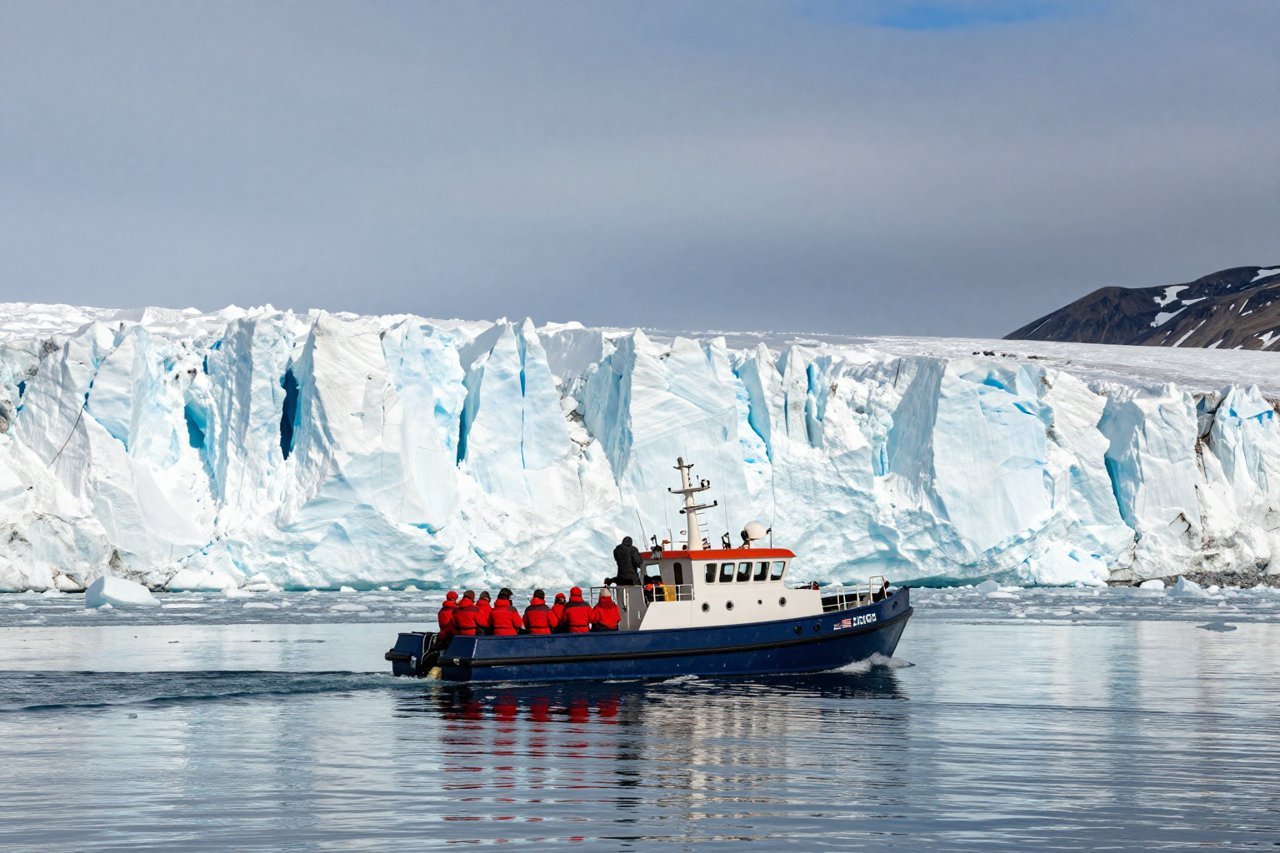
The fleet includes iconic vessels like MS Fram, named after Fridtjof Nansen’s polar ship, and MS Roald Amundsen, the world’s first hybrid-powered expedition ship. These ships are reinforced for ice, equipped with Zodiac boats for close-up exploration, and staffed with an international team of scientists, historians, and guides. On a Hurtigruten expedition, you’re not just a passenger; you’re part of a team of discoverers.
Where Do Hurtigruten Expeditions Go?
The itineraries are as dramatic as they are diverse. While the classic Norwegian coastal voyage remains popular, the expeditions extend far beyond.

The Arctic: Svalbard, Greenland, and Iceland
Svalbard is a highlight—a land of polar bears, glaciers, and midnight sun. Expeditions here run from May to September, offering chances to see walrus colonies, Arctic foxes, and the stark beauty of the ice edge. Greenland trips combine the spectacle of massive icebergs with visits to remote Inuit settlements like Ittoqqortoormiit. Iceland’s wild volcanic landscapes round out the Arctic offerings.
Antarctica: The White Continent
Hurtigruten also runs Antarctic expeditions from October to March. These voyages cross the Drake Passage and focus on the Antarctic Peninsula, with landings at penguin rookeries and research stations. The MS Roald Amundsen’s hybrid technology makes for quieter, greener sailing, which is especially valuable in such a pristine environment.
The Onboard Experience: Relaxed and Educational
Forget formal nights and casinos. Hurtigruten Expeditions ships are relaxed, with a focus on learning and immersion. The Science Center is the heart of the vessel—a lab-like space where you can examine plankton under microscopes, listen to lectures on glaciology, or join citizen science projects like tracking whale sightings.
Daily Briefings and Citizen Science
Each evening, the Expedition Team gives a recap of the day’s sightings and a preview of tomorrow’s landings. You’ll learn how to identify seabirds, read ice charts, and contribute real data to research organizations. It’s education without exams—just pure curiosity.
Food with a Sense of Place
Dining on these ships emphasizes local ingredients. In Norway, that means fresh cod, reindeer, and cloudberries. In Greenland, you might try musk ox or Arctic char. The menus reflect the regions you’re sailing through, often sourced from ports along the way.
Sustainability at the Core
Hurtigruten is a leader in sustainable expedition travel. They banned single-use plastics, use hybrid battery technology on newer ships, and operate the MS Fridtjof Nansen on biodiesel. They also avoid heavy fuel oil, which is standard in much of the industry. Their ethos is simple: explore, but leave no trace.
A concrete example: on every voyage, passengers are invited to join beach cleanups. In Svalbard, teams have removed tons of plastic debris washed ashore. This isn’t a PR stunt—it’s a genuine effort to protect the places they visit.
Practical Tips for Choosing an Expedition
- Season matters: For Arctic trips, June to August offer the best weather and wildlife viewing. For Antarctica, November to March is the window.
- Ship choice: MS Roald Amundsen and MS Fridtjof Nansen are the newest, with hybrid technology. MS Fram is older but has a classic feel and a higher crew-to-guest ratio.
- Duration: Most expeditions last 10 to 20 days. Longer voyages may include crossings like Svalbard to Iceland or across Drake Passage.
- What to pack: Layers, waterproofs, sturdy boots, and a good camera. Hurtigruten provides a parka for polar voyages, but you’ll need your own thermal base layers.
Who Are Hurtigruten Expeditions For?
These voyages attract a curious, active crowd—think retired teachers, solo travellers in their 50s, young professionals on a bucket-list trip, and families with older children. You don’t need to be a scientist, but a love for nature and a willingness to get cold are essential. The average age varies, but the common thread is a desire to learn and a respect for wild places.
If your idea of a perfect day involves standing on a deck at 3 a.m. watching the midnight sun paint a glacier pink, or getting misted by a whale’s blow while in a Zodiac, Hurtigruten Expeditions is calling your name.
The expedition ends not with a bang but with a quiet understanding—the kind that settles in after you’ve left the ice behind. You carry it home, like sea salt on your skin, and it lingers long after the suitcase is stored away.


