
Table of Contents
Understanding Bladder Infections
Bladder infections, also known as cystitis, are a common type of urinary tract infection (UTI) that affect millions each year. They occur when bacteria, most often E. coli, enter the urethra and travel to the bladder. The result? A burning sensation when you pee, an urgent need to go, and a heavy, uncomfortable feeling in your lower abdomen. While anyone can get a bladder infection, women are disproportionately affected—about 40-60% will experience at least one in their lifetime.
If you’re reading this, you likely want to know how to treat it fast. The good news is that most bladder infections are easily treatable, especially if caught early. But there’s a lot of conflicting advice out there, from cranberry juice to antibiotics. Let’s break down what actually works, what doesn’t, and what you should avoid.
Antibiotics: The Gold Standard for Bacterial Infections
For a confirmed bacterial bladder infection, antibiotics are the most reliable treatment. They work by killing the bacteria causing the infection, and symptoms often improve within 24-48 hours. Common antibiotics used include nitrofurantoin (Macrobid), trimethoprim-sulfamethoxazole (Bactrim), and fosfomycin (Monurol). The course usually lasts 3 to 7 days, depending on the drug and your health history.
When to See a Doctor
It’s important to see a healthcare provider if you suspect a bladder infection. They will likely ask for a urine sample to confirm the presence of bacteria and white blood cells. Self-diagnosing and treating with leftover antibiotics is risky—it can lead to antibiotic resistance or mask a more serious condition. If you have recurrent infections (more than two in six months), your doctor may recommend a longer course or a low-dose prophylactic antibiotic.

Common Antibiotic Side Effects
- Nausea or upset stomach
- Diarrhea
- Yeast infections (especially in women)
- Allergic reactions (rare but serious)
Taking probiotics or eating yogurt during antibiotic treatment can help reduce the risk of yeast infections. Also, drink plenty of water to help flush out the bacteria.
Home Remedies: What the Science Says
You’ve probably heard that cranberry juice can cure a bladder infection. The evidence is mixed. While cranberries contain compounds that may prevent bacteria from sticking to the bladder wall, they are not strong enough to treat an established infection. For prevention, unsweetened cranberry juice or supplements might help some people, but for active infection, antibiotics are still the mainstay.
Things That Can Help
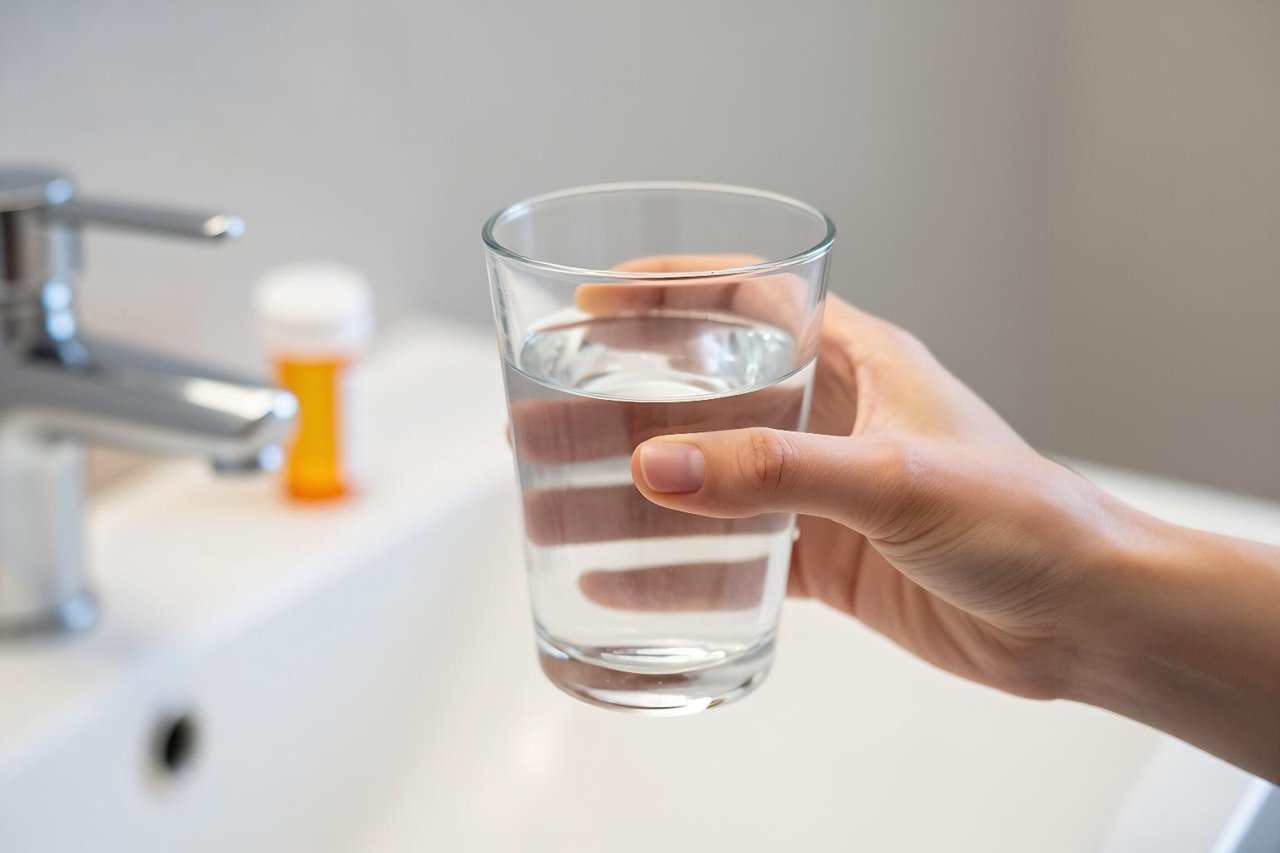
- Increase water intake: Drinking extra water helps dilute urine and flush bacteria from the bladder. Aim for 6-8 glasses a day beyond your normal intake.
- Urinate frequently: Don’t hold it. Emptying your bladder regularly prevents bacteria from multiplying.
- Apply heat: A warm heating pad on your lower abdomen can soothe pain and pressure.
- Avoid irritants: Caffeine, alcohol, spicy foods, and acidic fruits (like oranges and tomatoes) can aggravate your bladder. Stick to bland, non-irritating foods until you’re better.
What to Avoid
Some old wives’ tales are not only ineffective but can be harmful. For example, douching or using feminine hygiene sprays can disrupt the natural flora and increase infection risk. Also, avoid sexual activity until the infection clears, as it can introduce more bacteria and delay healing.
Over-the-Counter Options: Phenazopyridine (AZO)
You can buy urinary pain relievers like phenazopyridine (brand name AZO) without a prescription. These drugs do not treat the infection but can numb the urinary tract and reduce pain, urgency, and frequency. They are a temporary fix while you wait for antibiotics to work. Note that they turn your urine a bright orange or red color—that’s normal, but it can stain clothing. Do not take them for more than two days without seeing a doctor, as they can mask worsening symptoms.
When Bladder Infections Become Complicated
Most bladder infections are uncomplicated, meaning they occur in healthy, non-pregnant women with normal urinary tracts. But if you are pregnant, have diabetes, are immunocompromised, or have a catheter, you are at higher risk for a complicated infection that can spread to the kidneys. Symptoms of a kidney infection include fever, chills, back pain, and nausea. This is a medical emergency—go to the ER immediately.
If you experience recurrent infections, consider lifestyle changes like wiping front to back, urinating after sex, and avoiding spermicides. Some women benefit from vaginal estrogen therapy after menopause, which can restore protective bacteria. For more on hormonal changes and infections, see our article on perimenopause and menopause supplements.
Alternative Treatments: Herbal and Natural Options
Some people turn to herbal remedies like D-mannose, a sugar that binds to E. coli and helps flush it out. Small studies suggest it may be effective for prevention, but evidence for treating active infections is limited. Other herbs like uva ursi and berberine have antibacterial properties, but they can be toxic in high doses and are not regulated by the FDA. Always talk to your doctor before trying any supplement, especially if you’re on other medications.
If you’re dealing with itching or irritation alongside your infection, you might find our guide on what causes vaginal itching and how to find relief safely helpful.
Preventing Future Bladder Infections
Once you’ve treated the current infection, you’ll want to avoid a repeat. Here are evidence-based prevention tips:
- Stay hydrated: Water is your best friend. Aim for 2-3 liters a day.
- Urinate after sex: This flushes out bacteria that may have entered the urethra.
- Avoid harsh soaps: Fragrant bubble baths, douches, and sprays can irritate the urethra.
- Wear cotton underwear: Breathable fabrics reduce moisture that bacteria love.
- Consider probiotics: Lactobacillus strains may help maintain healthy vaginal flora.
If you have diabetes, managing your blood sugar is crucial because high glucose levels can promote bacterial growth. Our comprehensive guide on diabetes medications and weight loss might offer insights if weight management is part of your plan.
When to Seek Emergency Care
While most bladder infections are treatable at home or with a quick doctor’s visit, certain symptoms require immediate attention:
- High fever (over 101°F or 38.3°C)
- Shaking chills
- Nausea or vomiting
- Pain in your mid-back or side
- Blood in your urine (visible red or pink)
These could indicate pyelonephritis (kidney infection) or sepsis, which can be life-threatening. Don’t wait—go to the emergency room.
Remember, treating a bladder infection quickly and correctly is key to avoiding complications. Stick with proven treatments, listen to your body, and don’t hesitate to seek professional medical advice. Your bladder will thank you.


