
Table of Contents
An ear infection can turn a normal day into a miserable one. The throbbing pain, pressure, and muffled hearing make it hard to concentrate, sleep, or even eat. Whether you’re dealing with a child’s earache or your own, knowing the right ear infection treatment can shorten the misery and prevent complications.
Ear infections fall into three main types: outer ear (swimmer’s ear), middle ear (otitis media), and inner ear (labyrinthitis). Each requires a slightly different approach. Let’s walk through the evidence-based treatments for each, plus when you absolutely need a doctor.
Understanding the Type of Ear Infection You Have
Before diving into treatment, it helps to identify which part of the ear is infected. The symptoms overlap but have distinct clues.
Outer Ear Infection (Otitis Externa)
Also called swimmer’s ear, this affects the ear canal leading to the eardrum. It’s often caused by water trapped in the ear after swimming or bathing, creating a moist environment for bacteria or fungi. Symptoms include itching, redness, pain when you tug on your earlobe, and a clear or pus-like discharge. Hearing may feel muffled if swelling blocks the canal.

Middle Ear Infection (Otitis Media)
This is the classic ear infection that strikes children especially hard. It occurs behind the eardrum in the air-filled space of the middle ear. Fluid buildup from a cold or allergy allows viruses or bacteria to multiply. Symptoms include sharp ear pain, fever, irritability, trouble sleeping, and temporary hearing loss. Young children may pull at their ears or cry more than usual.
Inner Ear Infection (Labyrinthitis)
Inner ear infections are less common but more serious. They affect the structures responsible for balance and hearing. Symptoms include sudden vertigo (a spinning sensation), nausea, vomiting, and hearing loss. This type often follows a viral illness like the flu. It requires prompt medical evaluation.
Home Remedies That Actually Help
For mild outer or middle ear infections, especially those caused by viruses, home care can ease symptoms while your immune system fights the infection. Always check with a doctor first if you’re unsure, especially with children under two or if you have a high fever.
Warm Compress
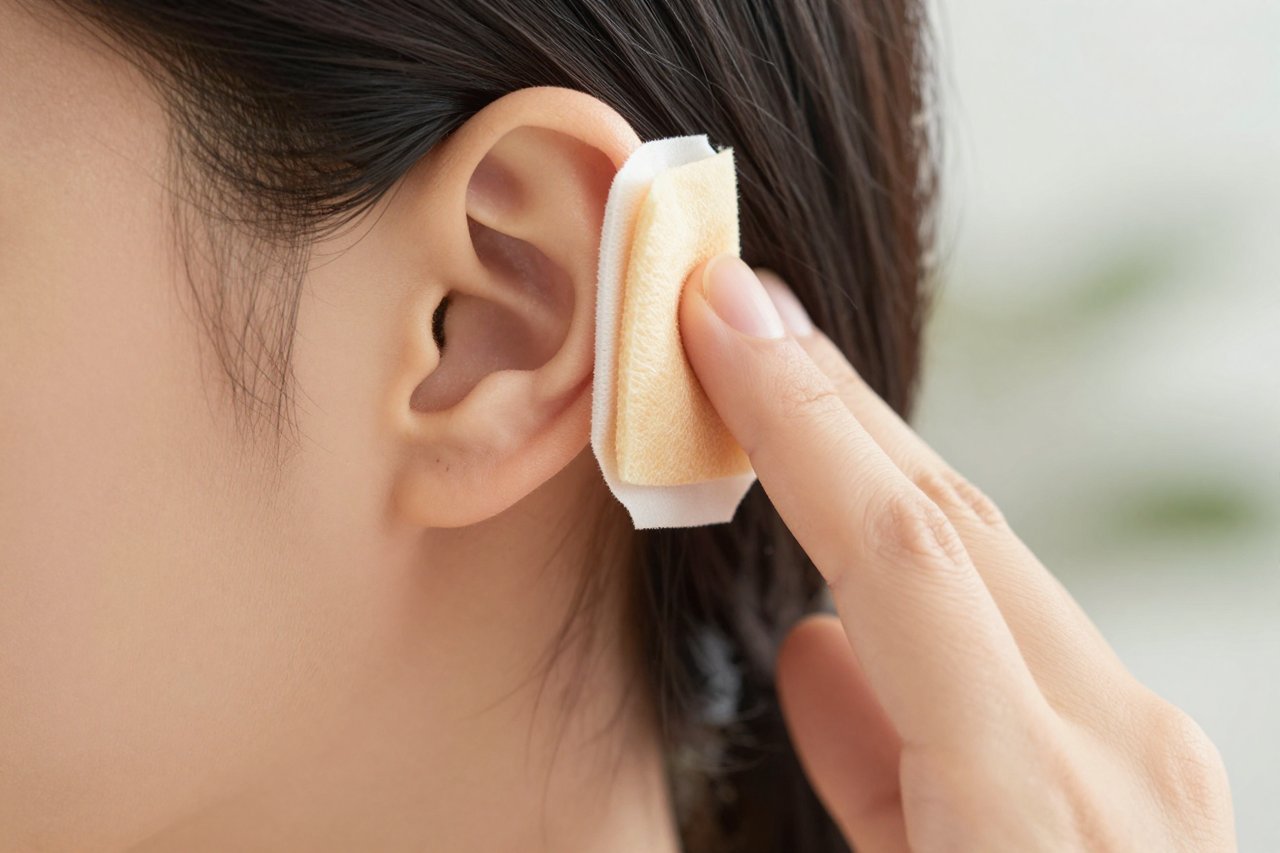
Applying a warm, damp cloth to the affected ear for 10–15 minutes can reduce pain. The heat increases blood flow and helps drain fluid. Repeat every few hours as needed. Be careful not to burn the skin—test the compress on your wrist first.
Over-the-Counter Pain Relievers
Ibuprofen (Advil, Motrin) or acetaminophen (Tylenol) can bring down fever and ease earache. Follow the dosing instructions for your age and weight. Avoid aspirin in children due to the risk of Reye’s syndrome.
Elevate the Head
Sleeping with the head elevated on two pillows helps fluid in the middle ear drain more easily. If you’re treating a child, you can prop up the head of their mattress slightly with a rolled towel under the crib or bed frame. Never use pillows for infants under one year.
Chewing and Swallowing
For older children and adults, chewing gum or sucking on hard candy can relieve pressure in the eustachian tubes. Swallowing opens the tubes and helps equalize pressure. For babies, breastfeeding or bottle-feeding can have a similar effect—just keep them upright during feeds.
When to Use Antibiotics
Not all ear infections need antibiotics. In fact, many middle ear infections clear up on their own within a few days. The American Academy of Pediatrics recommends a watch-and-wait approach for children aged 6 months to 2 years with mild symptoms and no high fever. For adults, the same principle applies: if symptoms are mild and you’re otherwise healthy, you can wait 48–72 hours before seeking antibiotics.
However, antibiotics are necessary in certain situations:
- Infants under 6 months with a confirmed ear infection
- Children with severe symptoms (fever over 102°F, intense pain for more than 48 hours)
- Double ear infections (both ears)
- A ruptured eardrum with discharge
- Anyone with a weakened immune system or chronic conditions
The first-line antibiotic for middle ear infections is usually amoxicillin, given for 5–10 days. For outer ear infections, antibiotic ear drops like ciprofloxacin-dexamethasone are common. Always complete the full course, even if you feel better.
Medical Treatments Beyond Antibiotics
For persistent or complicated infections, a doctor may recommend additional procedures.
Tympanostomy Tubes
If a child has recurrent middle ear infections (three or more in six months), ear tubes may be recommended. A small tube is inserted into the eardrum to drain fluid and keep the middle ear ventilated. This reduces the frequency of infections and improves hearing. The tubes usually fall out on their own after 6–12 months.
Myringotomy
For adults with a severe middle ear infection that doesn’t respond to antibiotics, a myringotomy might be performed. A tiny incision is made in the eardrum to release pus and pressure. The hole heals within a few days.
Ear Drainage and Cleaning
For outer ear infections with significant debris or fungal growth, a doctor may gently clean the ear canal using suction or a curette. This allows topical medications to reach the infected tissue. Never try to clean deep inside your ear with cotton swabs—you’ll push debris further in and worsen the infection.
Preventing Ear Infections
Prevention is especially important for children, who are more prone to ear infections due to shorter eustachian tubes. Here are steps that reduce risk:
- Vaccinate: The pneumococcal vaccine and annual flu shot lower the chances of infections that lead to ear inflammation.
- Avoid secondhand smoke: Smoke irritates the eustachian tubes and impairs drainage. Keep your home and car smoke-free.
- Breastfeed: Breast milk contains antibodies that protect against infections. If bottle-feeding, hold the baby upright to prevent milk from flowing into the eustachian tubes.
- Limit pacifier use after 6 months: Studies find that pacifiers can increase ear infection risk. If your child uses one, wean them by age 1.
- Dry ears after swimming: Tilt your head to let water drain, then gently dry the outer ear with a towel. You can also use a few drops of a drying solution (equal parts white vinegar and rubbing alcohol) in each ear after swimming.
When to See a Doctor Immediately
While many ear infections resolve on their own, some signs demand urgent medical attention:
- Severe pain that suddenly stops (may indicate a ruptured eardrum)
- Pus or bloody discharge from the ear
- High fever (over 104°F or 40°C)
- Stiff neck, severe headache, or confusion (possible signs of meningitis)
- Hearing loss that persists after the infection clears
- Swelling behind the ear or the ear sticking out abnormally (possible mastoiditis)
If you’re managing an infection in someone with a chronic condition like rheumatoid arthritis, note that some medications can suppress the immune system, making infections harder to fight. For more on how to manage infections during treatment, see our guide on managing fatigue and infections during chronic leukaemia treatment. Similarly, if you have a sinus infection that’s causing ear pressure, you might benefit from our article on sinus infection treatment: what actually works and what to skip.
For outer ear infections, avoid inserting anything into the ear. If you’re dealing with a stubborn case that won’t clear with drops, your doctor might consider other causes, such as a fungal infection. In rare instances, infections can become systemic, so understanding the role of endotoxins in severe infections might be valuable—read more in this article on endotoxin/LPS.
Finally, remember that most ear infections are not emergencies. With proper care—whether at home or with a doctor’s help—you’ll be back to hearing clearly and pain-free within a week or two. Trust your instincts: if something feels off, get it checked.


