
Table of Contents
You bought the tea, you drink the tea, and yet nothing much seems to happen. No steadier energy, no calmer afternoons, no sense that this famous little leaf is doing anything at all. That experience is far more common than the marketing suggests, and it usually isn’t the tea’s fault.
Most of the green tea benefits people read about — the antioxidants, the modest metabolic nudge, the smoother caffeine curve — depend on how the drink is made, stored and timed. Get those details wrong and you can spend years drinking a beverage that tastes fine while delivering a fraction of what it could. Below are the mistakes I see most often, and the fixes that cost nothing.
Mistake 1: Scalding the leaves with boiling water
This is the single biggest one. Green tea is unoxidised, which means the delicate catechins — the compounds behind most of the health claims — are still sitting there in a fragile state. Pour fully boiling water over them and you don’t destroy all of them, but you do lose a meaningful chunk, and you extract a lot of bitter tannins at the same time. The result is a cup that’s harsh, astringent and less useful than it should be.
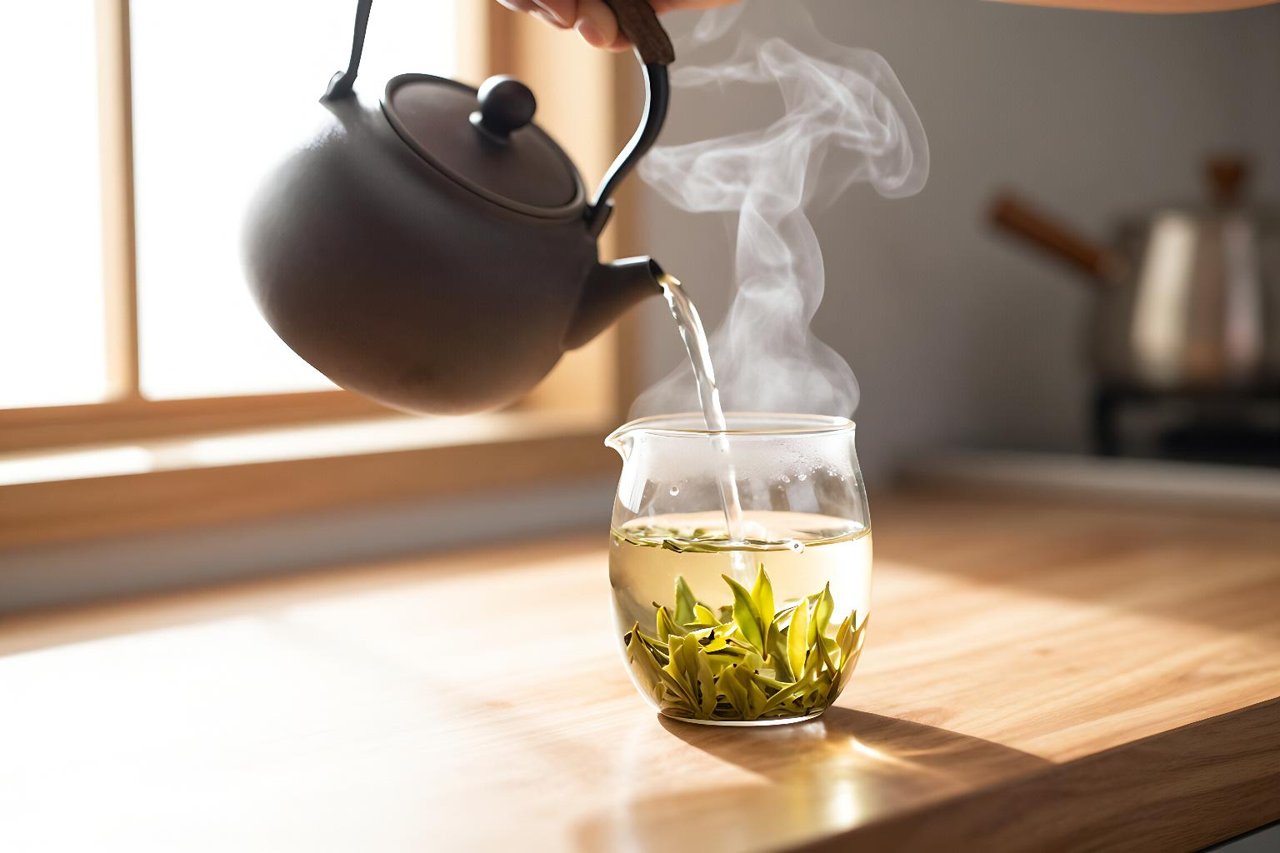
Drop your kettle to around 70–80°C. No thermometer? Boil the water, then let it sit for two to three minutes in the cup before adding the bag or leaves. On a cold day that’s closer to two minutes; in a warm kitchen, give it three.

Steeping time matters just as much
One to two minutes is usually enough for a standard teabag. Three minutes is the outer limit for most supermarket green teas. Loose-leaf sencha or dragon well can handle slightly longer, but if your tea turns olive-brown and tastes like a wet haystack, you’ve gone too far. Set a timer for the first week until it becomes automatic.
Mistake 2: Assuming all green tea is the same leaf
There’s a huge spread between a budget teabag that’s mostly dust and stems and a fresh loose-leaf batch picked this spring. Catechins, particularly EGCG, degrade with age and exposure to light and air. A box that’s been open in your cupboard since last winter is not the same product it was on day one.
Practical checks worth doing:
- Look at the date. Buy the freshest harvest you can find and note when the pack was sealed, not just when it expires.
- Check the leaf. Whole or largely intact leaves beat fine dust. If the bag looks like powder, expect weaker returns.
- Buy smaller amounts. A 100g tin you finish in six weeks beats a 500g bag that lasts a year.
- Store it right. Airtight, dark, cool and away from the spice shelf. Green tea absorbs surrounding smells embarrassingly fast.
If you’re spending real money on tea, it’s worth understanding what the research does and doesn’t support before you upgrade — the real green tea benefits, according to the studies are more modest and more specific than the packaging implies.
Mistake 3: Drowning it in sugar, honey or lemon
A teaspoon of honey or a sugar sachet adds roughly 20–60 calories per cup. Three cups a day and you’ve quietly added a snack’s worth of sugar to a drink you chose because it was supposed to be good for you. That doesn’t cancel the catechins, but it does undercut the point.
Lemon is more nuanced. Vitamin C does help preserve catechins in the cup, and a squeeze won’t hurt. But if you’re adding lemon to make an over-steeped, bitter cup drinkable, fix the brewing instead. Same with milk — a splash is fine for taste, though some studies suggest casein binds polyphenols and reduces absorption. If you drink green tea primarily for the compounds, drink it without milk.
Mistake 4: Drinking it at the wrong time of day
Green tea has roughly 25–40mg of caffeine per cup, less than coffee but not nothing. Two cups at 6pm will quietly wreck your sleep, and poor sleep undermines nearly every health benefit you were chasing in the first place. That’s a genuine self-cancelling loop.
There’s a second timing issue people miss: tannins and polyphenols can reduce iron absorption from plant sources. If you’re vegetarian, anaemic, or borderline on iron, drinking tea with meals is a poor habit. Leave a gap of at least an hour either side of your main meal, particularly if it’s lentil-, bean- or spinach-heavy.
The empty-stomach trap
Strong green tea on an empty stomach makes some people nauseous or jittery. If that’s you, drink it after food, or choose a lower-caffeine option like hojicha. There’s no prize for suffering through it.
Mistake 5: Expecting a miracle instead of a modest, cumulative effect
This is where disappointment really sets in. Green tea is not a fat burner in any meaningful standalone sense, and the metabolic effect in trials tends to be small — often in the range of a few dozen extra calories burned per day. Where it does show up consistently is in large population studies of long-term drinking habits, and those effects are entangled with everything else those people do.
Compare it to the pattern people fall into with other ‘super’ ingredients. The apple cider vinegar mistakes that quietly cancel its benefits are almost identical in shape: dosing too low, timing it badly, and expecting a single ingredient to offset a poor diet. Tea behaves the same way. It’s a good drink that supports a decent routine, not a substitute for one.
Mistake 6: Drinking it once in a while and calling it a habit
The observational research on green tea tends to look at people drinking three to five cups daily, for years. A cup on Tuesday because you read an article does not put you in that group. Consistency is the whole mechanism.
If habit-building is the sticking point, treat it like any other routine: pick a trigger you already have (after breakfast, mid-afternoon), keep the tea where you’ll see it, and buy a type you actually enjoy. A green tea you dislike is a green tea you’ll stop drinking by week three. If you want a structured approach rather than vague intentions, this step-by-step plan to actually feel the benefits walks through the practical sequence.
Mistake 7: Ignoring the supplement shortcut’s downsides
Green tea extract capsules are concentrated, sometimes alarmingly so. High-dose EGCG supplements have been linked to liver injury in a small number of cases, particularly when taken on an empty stomach. Drinking the beverage is a very different risk profile from swallowing 500mg of extract.
If you’re already stacking supplements, be honest about what each one is contributing. The same logic applies across the shelf — multivitamin benefits versus the alternatives is a useful frame for deciding whether a capsule earns its place or is just expensive reassurance. Tea, at least, is hard to overdo.
How to tell it’s actually working
Don’t wait for a transformation. Track things you can genuinely notice: whether your 3pm slump is less brutal, whether you’re drinking less coffee, whether your sleep is unchanged rather than ruined. Give it six to eight weeks of properly brewed, consistently consumed tea before you judge it.
And keep the wider context in view. Green tea works best as one piece of a diet that isn’t working against itself — the same principle behind these anti-inflammatory foods mistakes that quietly cancel out the benefits. A good cup of tea, brewed at 75°C and drunk before 4pm, is a small, reliable pleasure. That’s a fairer expectation than a miracle, and a far more sustainable one.


