
Table of Contents
Every year, federal, state, county, and city agencies retire tens of thousands of vehicles. Four-door sedans with 80,000 miles on them. Pickups with a dented tailgate and a ladder rack bolted to the bed. Cargo vans that still smell faintly of printer toner. Most of that metal goes to public auction, frequently below retail book value, and almost anyone can bid on it.
Buying one is not the same as buying off a dealer’s lot. The cars are sold as-is, the listings are thin on detail, and the fees show up at the end rather than the beginning. Here is how the process actually works, from finding the right sale to driving the thing home.
What Counts as a Government Vehicle
The category is broader than most people assume. Three types show up most often:
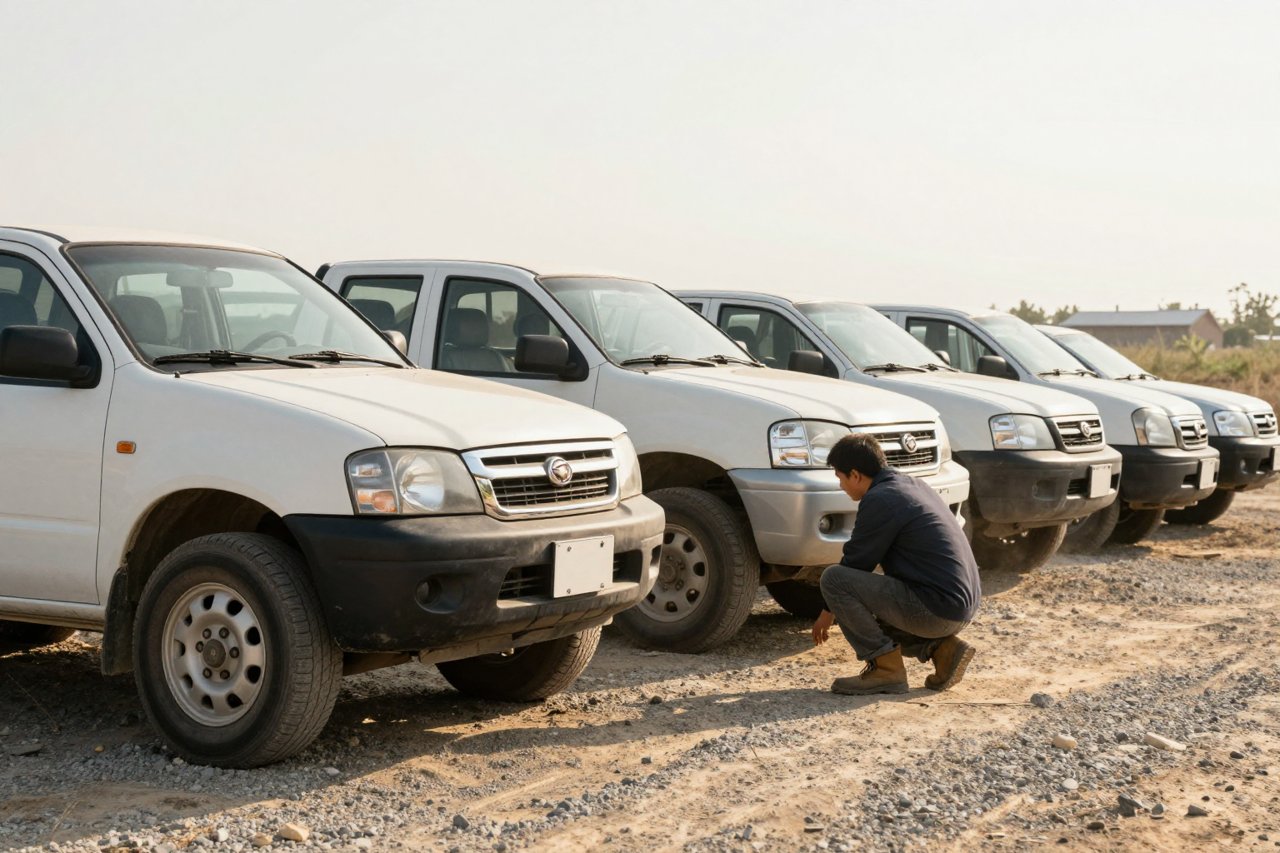
- Fleet vehicles. Pool cars, admin sedans, highway department pickups, parks and recreation trucks. Retired on a fixed schedule, usually at three to six years or 70,000 to 110,000 miles.
- Seized and forfeited vehicles. Cars taken in investigations, sold through police or sheriff auctions. Condition varies wildly and history is often unknown.
- Surplus equipment. Everything from ambulances and school buses to utility trailers and riding mowers. Cheap to buy, expensive to insure.
Fleet vehicles are the safest bet for a private buyer. They were maintained by someone whose job depended on it, and the paperwork usually still exists.

Where Government Vehicles Go to Auction
Federal vehicles generally move through GSA Auctions, the General Services Administration’s own platform. State and local agencies tend to use commercial hosts such as GovDeals and Public Surplus, or run their own surplus property divisions. Police departments list seized cars separately, sometimes on those same platforms and sometimes at a live auction held once a month in a fenced lot behind the station.
Each channel has its own rhythm. GSA runs rolling online auctions with lots closing at staggered times through the week. State surplus yards often hold one big sale per month with a preview afternoon the day before. County auctions can be so small that the entire catalogue is nine vehicles and a pallet of filing cabinets. Register early, because most platforms require a verified account and occasionally a refundable deposit before you can place a bid.
Read the Listing Like a Mechanic
Condition codes are a starting point, not a verdict
A vehicle graded “fair” might have a cracked bumper or a slipping transmission. The grade reflects what a clerk observed on intake day, not what a mechanic found on a lift. Treat every grade as a rough hint and nothing more.
Maintenance records are the real prize
Fleet cars get serviced on schedule, which is their single biggest advantage over a private trade-in. Ask the agency for the maintenance history before you bid. If they can send a record showing oil changes and brake work every 5,000 miles, you are looking at a car that was treated better than most three-year-old lease returns.
Before bidding on anything, confirm the following:
- The full VIN, checked against a vehicle history report for accidents and odometer discrepancies
- Engine hours alongside mileage, since idle-heavy trucks rack up wear without moving
- Tire date codes, because four eight-year-old tires are a $700 problem
- Title status, lien releases, and whether the agency can issue a clean title in your state
- Open safety recalls, which a franchised dealer will fix free
- Whether keys, the spare, and the jack are actually included
The Fees That Show Up After You Win
This is where first-time buyers get stung. A winning bid of $6,800 can easily become $7,900 by the time you have paid the buyer’s premium (commonly 5% to 12%), a title or processing fee of $25 to $150, state sales tax, and a credit card surcharge if you pay online. Add storage charges if you are slow to collect the vehicle, plus the cost of a tow or a temporary permit if it is not roadworthy.
Work the numbers backwards. Decide what the car is worth to you on the open market, subtract every fee, and that figure is your real maximum bid.
Preview Day: What to Check in Fifteen Minutes
Most auctions offer an inspection window, and skipping it is how people end up with a truck that needs a $2,400 transmission. Bring a code reader and a torch. Start the engine cold if you can, listen for a rough idle, and watch for blue smoke. Look at the frame rails for rust, check the fluid colours, and run your hand along the inside of the wheel arches. Government vehicles carry a lot of equipment, so check for holes drilled in the dash and roof where radios and light bars were removed. Those holes leak.
Set a Ceiling Before You Bid
Auction fever is real, and fleet sales are full of buyers who talked themselves up $1,500 over budget in the final ninety seconds. Write your maximum on a sticky note and keep it in view. Bidding tactics matter too, and there is a real difference between bidding early and bidding smart, as this guide to buying at auction without bidding against yourself explains. On reserve-price sales, a lowball opening bid often just resets the clock and invites competition.
Electric and Hybrid Fleet Retirements
Agencies started adding hybrids and battery-electric cars to their fleets more than a decade ago, and the earliest batches are now hitting surplus lots. These can be genuine bargains, particularly low-mileage city sedans that never saw a highway. They can also be expensive surprises. Ask for a battery state-of-health report from a franchised dealer before you commit, and budget for the possibility that a replacement pack costs more than the car. The wider EV market’s falling prices and battery improvements have pushed used values down, which cuts both ways for a buyer.
Payment, Title, and Paperwork Snags
Most government sales want a cashier’s cheque or a wire transfer within a few business days. Very few take personal cheques, and some do not take cards at all. Titles are the more common headache. Agencies sometimes sell with a “title in transit” notation, meaning the paperwork is still moving between departments, and you could wait six weeks before you can register the vehicle. Ask directly how long the title takes and whether you can collect the car before it arrives.
If you are buying out of state, check your local DMV’s rules on inspections, emissions testing, and temporary permits before bidding. A $4,000 pickup that fails your state’s inspection is a $4,000 lawn ornament.
Why Fleet Prices Move With the Wider Market
Government auctions are not insulated from the rest of the car business. When new-vehicle prices climb, more buyers chase used inventory and fleet lots get competitive. Tariffs on imported parts and vehicles feed straight into that, and the real cost of the 25% automotive tariffs shows up in the resale values of ten-year-old pickups as much as in showroom stickers. Raw material costs and supply shocks push the same levers, which is why nickel mines and shipping routes half a world away can affect what you pay for a retired municipal sedan on a Tuesday morning.
The First Two Weeks of Ownership
Assume the vehicle needs $500 to $1,200 of catching up, even if it runs well. Change the oil, the coolant, and the brake fluid. Inspect the belts and the serpentine tensioner. Replace the wiper blades and the cabin filter, because a fleet car’s interior has absorbed a decade of other people’s commutes. Have a shop check the brakes and the suspension bushings, both of which take a beating on pool vehicles. If it is a diesel, budget for a DPF inspection.
Then get it registered, insured, and state-inspected within whatever window your DMV allows. Clean out every compartment, remove the old mounting hardware, and take photographs of the condition on day one for your own records. Do that, and the retired fleet car sitting in your driveway will likely outlast the trim level suggests, and cost you considerably less than the dealer down the road wanted for the same thing.


