
Table of Contents
When you go to the hospital for an X-ray, CT scan, or MRI, the person positioning you and operating the machine is a radiologic technologist. These allied health professionals are the backbone of medical imaging, turning complex technology into clear pictures that doctors use to diagnose everything from broken bones to cancer. If you’re considering a healthcare career that blends patient care with cutting-edge technology, this role deserves a close look.
What Is a Radiologic Technologist?
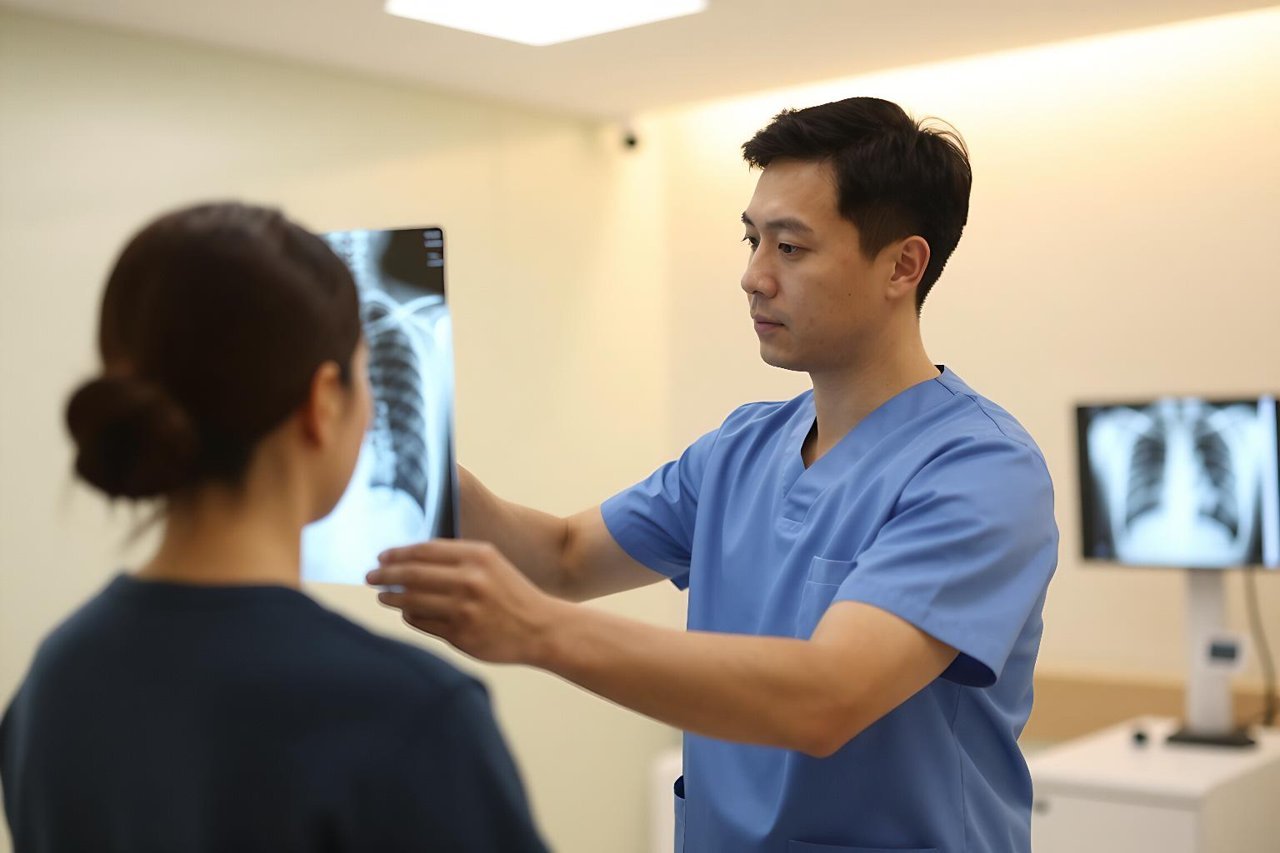
A radiologic technologist (also called a radiographer) performs diagnostic imaging examinations on patients. They work directly with radiologists—physicians who interpret the images—and other healthcare team members to ensure accurate results. Unlike a radiology technician, who typically assists with equipment and scheduling, a technologist completes a formal education program and holds certification to operate sophisticated imaging equipment independently.
The job involves more than pushing buttons. You must position patients correctly, select appropriate exposure factors, follow radiation safety protocols, and sometimes administer contrast materials. Every image requires precise technique and a caring bedside manner.
Key Responsibilities of a Radiologic Technologist
Patient Preparation and Positioning
Before any scan, you explain the procedure to the patient, answer questions, and remove any metal objects or jewelry that could interfere with the image. For some exams, you may need to give the patient a contrast agent—either by mouth, injection, or enema—to highlight certain tissues. Positioning is critical: even a few degrees off can obscure a fracture or lesion, leading to repeat scans and extra radiation exposure.

Operating Imaging Equipment
Radiologic technologists use a range of machines:
- X-ray (radiography) – The most common, used for chest, bone, and abdominal imaging.
- Computed Tomography (CT) – Produces cross-sectional images, often for trauma or cancer staging.
- Magnetic Resonance Imaging (MRI) – Uses strong magnets and radio waves; no ionizing radiation.
- Mammography – Specialized low-dose X-rays for breast tissue.
- Fluoroscopy – Real-time moving images, like during a barium swallow study.
Each modality requires different training and certification. Many technologists start with X-ray and later cross-train into CT or MRI.
Radiation Safety
One of the most important duties is protecting patients and yourself from unnecessary radiation. You use lead aprons, thyroid shields, and collimation (narrowing the beam) to limit exposure. You also follow the ALARA principle—As Low As Reasonably Achievable—and monitor your own cumulative dose with a badge dosimeter.
Image Evaluation and Record-Keeping
After capturing images, you check for quality and completeness before sending them to the radiologist. You also update patient records, document contrast usage, and ensure the images are properly labeled. In many departments, you work with PACS (Picture Archiving and Communication Systems) to store and retrieve digital images.
How to Become a Radiologic Technologist
Education Pathways
Most employers require an associate degree in radiologic technology, though some technologists hold a bachelor’s degree. Accredited programs are offered by community colleges, hospitals, and universities. Coursework includes anatomy, patient care, radiation physics, image evaluation, and clinical rotations where you work under supervision in real imaging departments.
Accreditation matters: only graduates from programs accredited by the Joint Review Committee on Education in Radiologic Technology (JRCERT) are eligible for certification.
Certification and Licensure
After graduating, you must pass the American Registry of Radiologic Technologists (ARRT) exam to become a registered radiologic technologist (RT). The ARRT exam covers patient care, safety, imaging procedures, and equipment operation. Most states also require a state license, which typically involves passing the ARRT exam and meeting continuing education requirements.
Keeping your certification active requires 24 continuing education credits every two years. Many technologists also earn additional certifications in CT, MRI, mammography, or bone densitometry.
Skills That Matter
Beyond technical know-how, successful radiologic technologists share several traits:
- Communication – You explain procedures to anxious patients and collaborate with doctors and nurses.
- Compassion – Many patients are in pain or scared; a gentle touch and clear reassurance go a long way.
- Attention to detail – Mispositioning or incorrect exposure can ruin an image and delay diagnosis.
- Physical stamina – You’re on your feet most of the day, often lifting or transferring patients.
- Problem-solving – Equipment glitches, uncooperative patients, and tight schedules require quick thinking.
Work Environment and Typical Schedule
Most radiologic technologists work in hospitals, but many find jobs in outpatient imaging centers, physician offices, urgent care clinics, or mobile imaging services. Hospitals operate 24/7, so shifts can include nights, weekends, and holidays. Outpatient centers usually offer more regular hours, often Monday through Friday.
The work is fast-paced. You might see 10 to 20 patients per shift depending on the department. Emergency rooms demand quick turnaround, while outpatient settings allow more time for patient education.
Salary and Job Outlook
According to the U.S. Bureau of Labor Statistics, the median annual wage for radiologic technologists was $63,710 in 2023. The top 10% earned more than $95,000, often those with advanced certifications or supervisory roles. Geographic location also plays a part: technologists in metropolitan areas or states with higher cost of living tend to earn more.
Employment is projected to grow 6% from 2022 to 2032, faster than the average for all occupations. An aging population needs more imaging for conditions like osteoporosis, heart disease, and cancer. For example, mammography rates increase as women age, and CT scans for abdominal pain are common in older adults. If you’re looking for a stable career with room to grow, this field offers solid prospects.
Advancement Opportunities
Radiologic technologists have several paths to advance:
- Specialization – Earn additional ARRT credentials in CT, MRI, mammography, or interventional radiology.
- Education – Become a clinical instructor or program director at a radiologic technology school.
- Management – Move into lead technologist, supervisor, or radiology department manager roles.
- Radiologist Assistant – With a master’s degree, you can perform advanced procedures under a radiologist’s supervision.
Some technologists transition into sales or applications training for imaging equipment manufacturers, combining their clinical expertise with business skills.
Real-Life Impact: A Day in the Life
Consider Sarah, an RT with five years of experience at a community hospital. Her day starts at 7:30 AM with a portable chest X-ray in the ICU. Next, she does a three-view ankle series on a teenager who twisted his ankle during soccer practice. By mid-morning, she’s assisting with a barium enema under fluoroscopy—a procedure that requires patience and clear instructions. After lunch, she performs a CT scan of the abdomen on a patient with suspected appendicitis. Each case demands different skills and a fresh dose of empathy.
For Sarah, the best part is knowing that her images directly influence treatment. A clean X-ray can rule out a fracture; a CT scan can confirm a cancer diagnosis. She works closely with the hospital’s oncology team and has seen how early detection saves lives. In fact, many of the imaging findings she captures are linked to conditions like breast cancer, which is why accuracy is non-negotiable. If you’re interested in how imaging contributes to cancer care, you can read more in our article on breast cancer symptoms, treatment, and prevention.
Tips for Getting Started
If you’re still in high school, focus on biology, chemistry, and math. Volunteer at a hospital or shadow a radiologic technologist to see the job firsthand. Research accredited programs in your area—many offer flexible schedules for working students. When you apply, highlight any customer service or healthcare experience, since patient interaction is central to the role.
Once enrolled, make the most of your clinical rotations. Ask questions, practice positioning on classmates, and learn from experienced technologists. Building a strong network can lead to job offers after graduation.
Challenges in the Field
No career is perfect. The physical demands—standing for hours, lifting patients, and repetitive motions—can lead to back pain or joint strain. Burnout is a risk in high-volume departments. Radiation exposure, though carefully monitored, is a constant concern. And dealing with seriously ill or uncooperative patients requires emotional resilience.
However, many technologists say the rewards outweigh the drawbacks. The ability to help people every day, the intellectual challenge of mastering new technology, and the solid middle-class income make it a worthwhile choice.
Radiologic Technologist vs. Other Imaging Roles
It’s easy to confuse radiologic technologists with other imaging professionals. Here’s a quick breakdown:
- Radiologist – A medical doctor who interprets images and performs interventional procedures. Requires medical school and residency.
- Radiologic Technologist – The imaging specialist who operates equipment and positions patients. Associate degree and ARRT certification.
- Radiology Technician – Sometimes used interchangeably with technologist, but typically implies less formal training. Many employers now require the technologist credential.
- Sonographer (Ultrasound) – Uses sound waves to create images. Separate training and certification pathway.
- Nuclear Medicine Technologist – Administers radioactive drugs and uses special cameras to image body processes. Requires additional education in radiation safety and pharmacology.
Each role has its own educational requirements and scope of practice. If you’re unsure which path fits, talk to professionals in each field or check out resources like the 10 best ways to invest $10,000 in 2025 for financial planning as you start your career.
Why This Career Matters More Than Ever
Medical imaging is essential to modern medicine. Without radiologic technologists, doctors would be diagnosing blind. From detecting a rare disease early to guiding a surgeon during a procedure, these professionals are indispensable. The COVID-19 pandemic highlighted their importance—chest X-rays and CT scans became frontline tools for assessing lung damage. As healthcare evolves, so does imaging technology, making this a dynamic and future-proof career.
If you’re drawn to a hands-on role that combines science, technology, and human connection, becoming a radiologic technologist could be your calling. Start by exploring accredited programs, talk to current technologists, and take the first step toward a career that literally helps people see inside themselves.


